
Last updated November 15, 2026
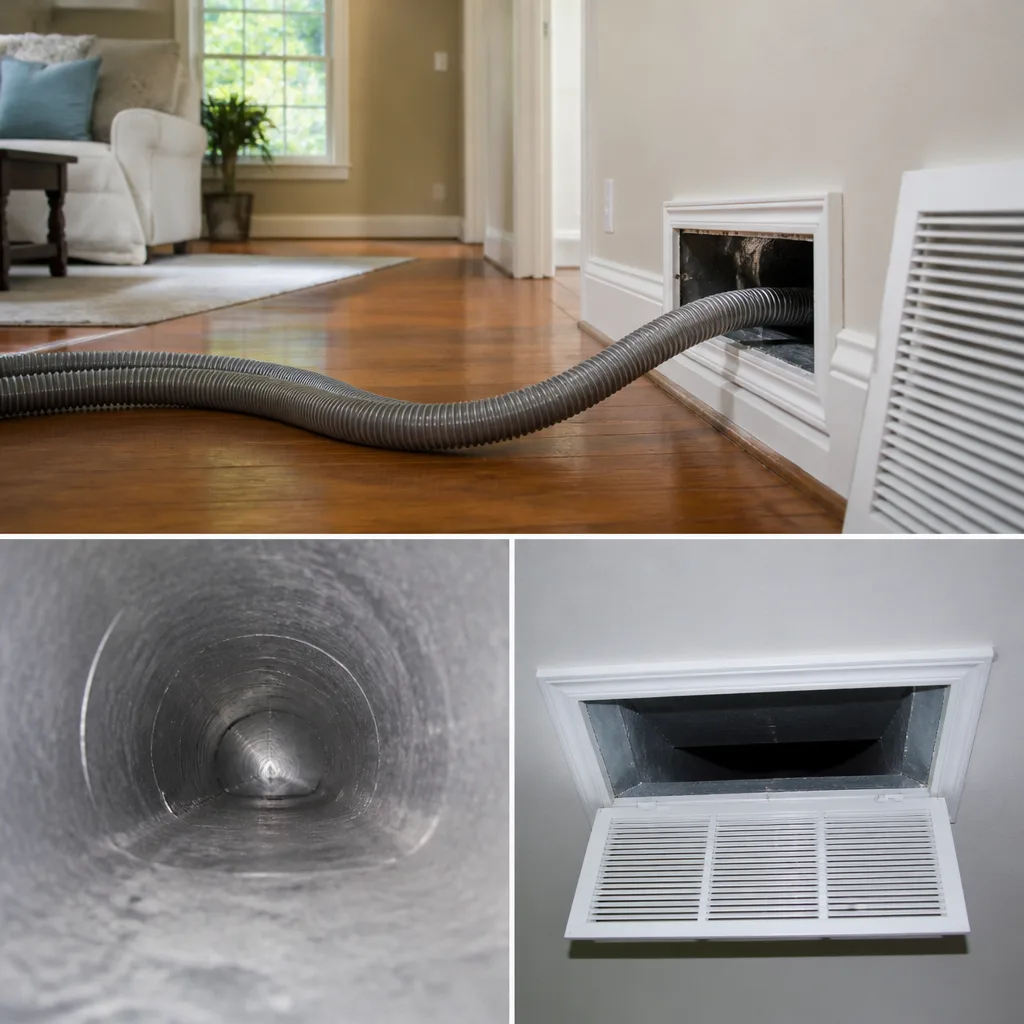 Whole-home duct cleaning
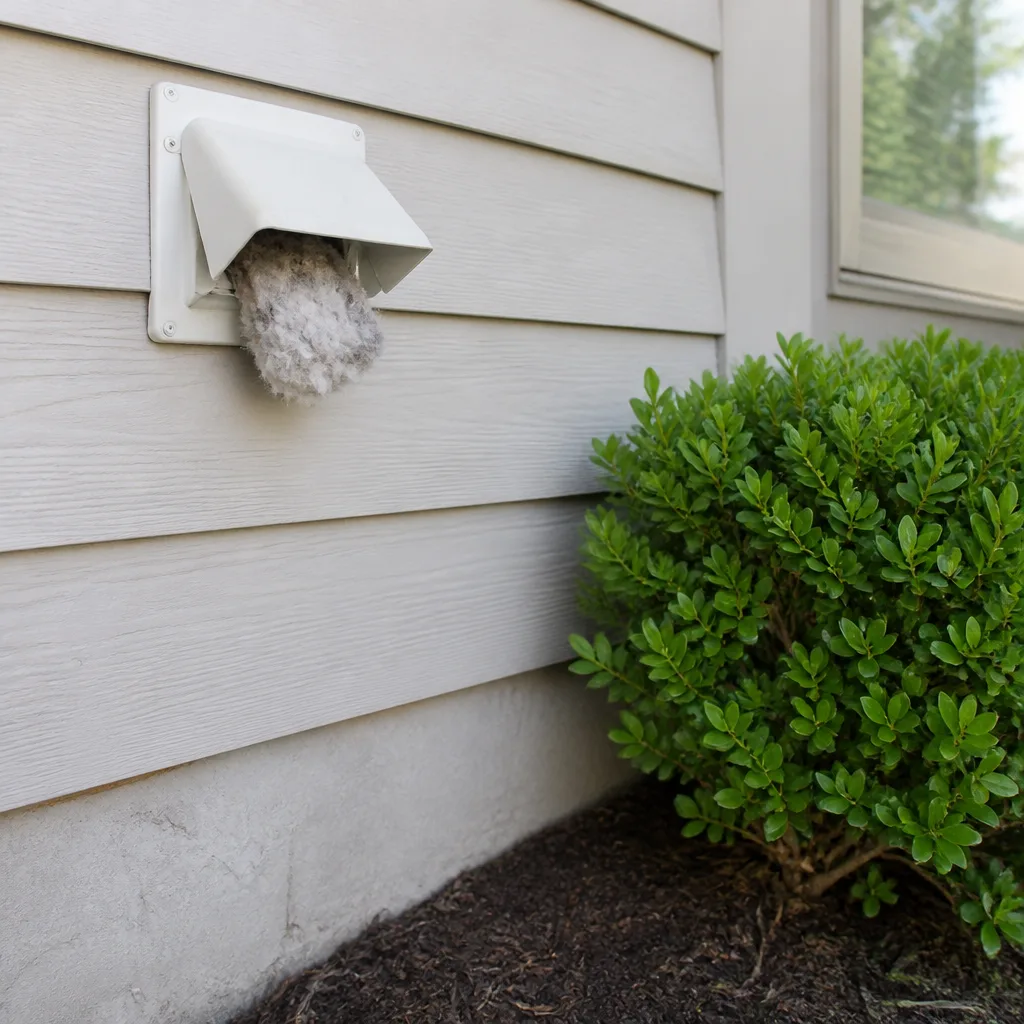 Dryer vent cleaning
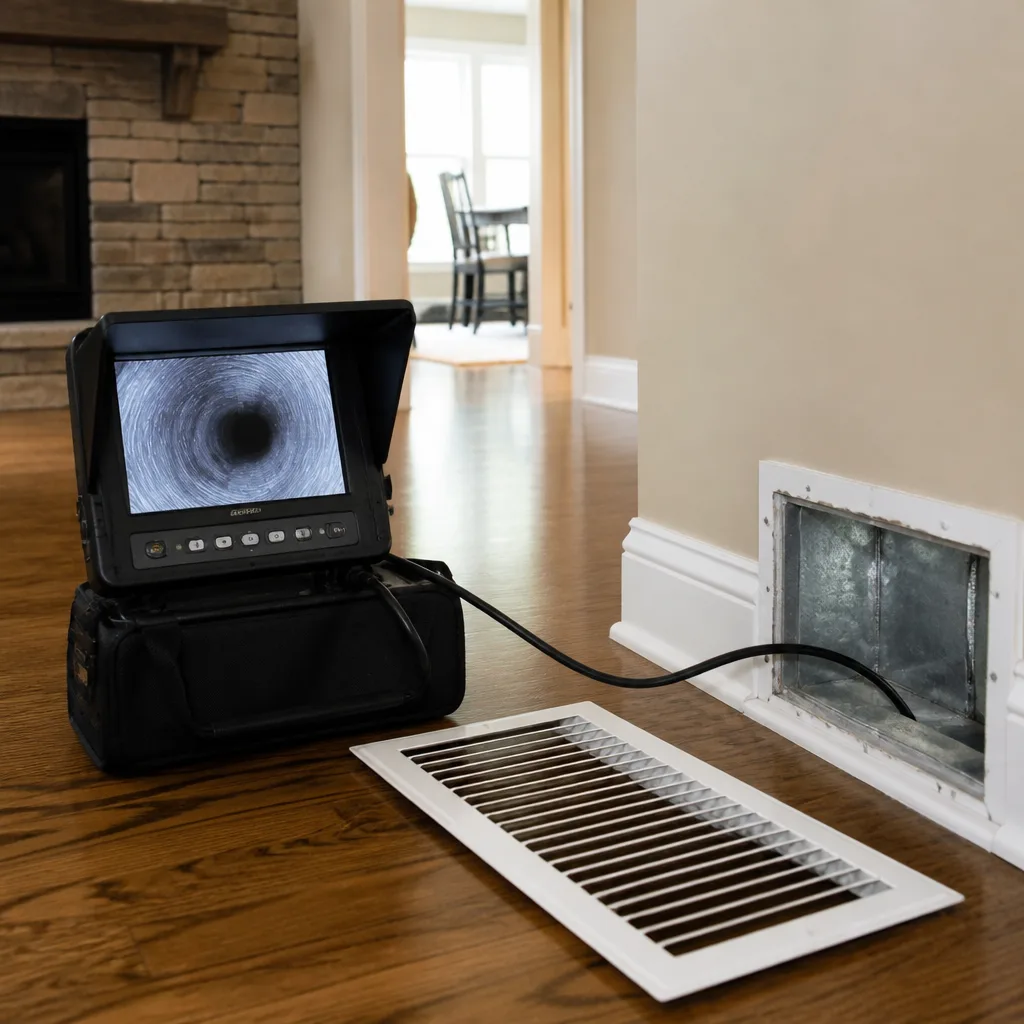 Camera inspection
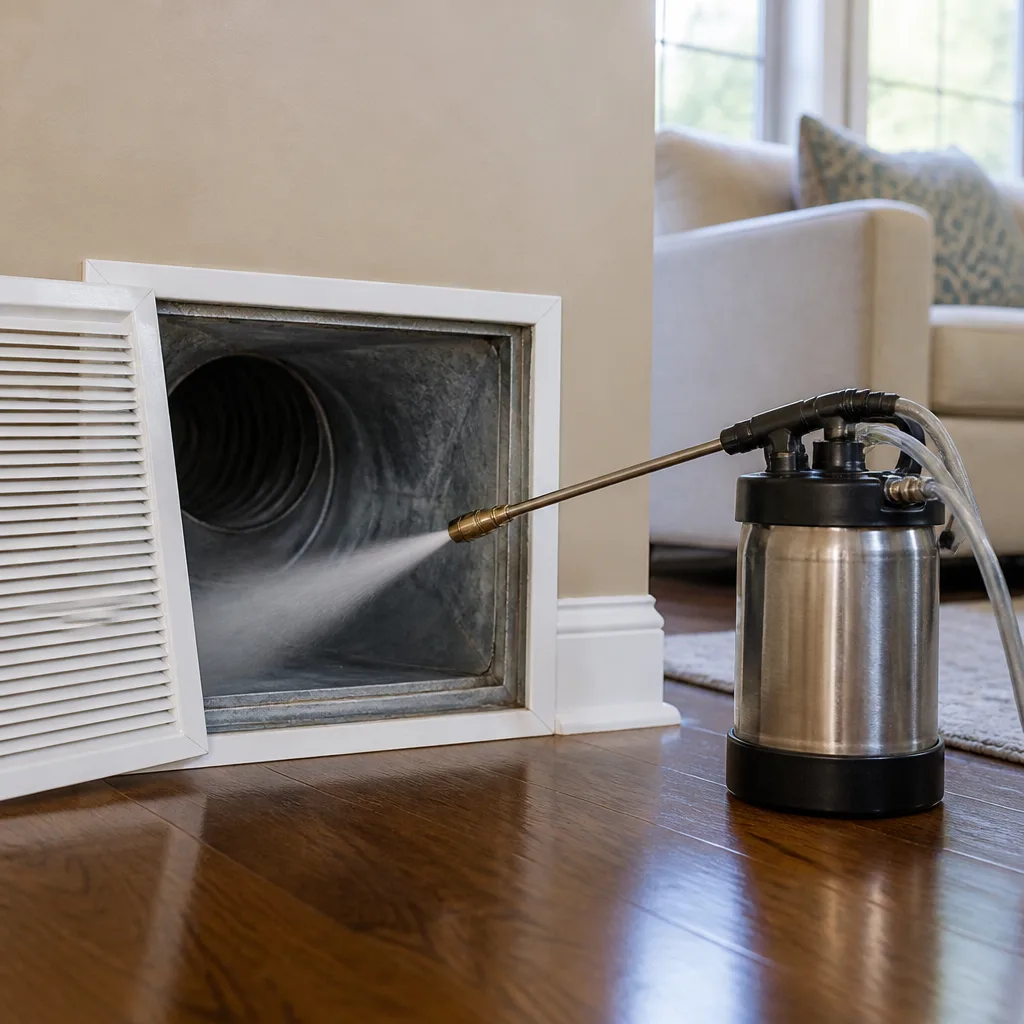 Sanitizing & deodorizing
Whole-system duct and dryer vent check with before-and-after photos - you see exactly what came out of your vents
That "$99 whole-house special" is a bait ad - the real number appears once they are in your hallway, or the "clean" is a shop-vac at the register. We photograph the inside of your ducts before and after instead.
How to Hire an Air Duct Cleaning Contractor in Milwaukee: A Step-by-Step Guide
Most homeowners shop for duct cleaning the way they shop for a car wash: find the lowest number, book it, move on. That approach works fine when the downside is a streaky window. It doesn’t work here. Wisconsin does not require a state license to operate an air duct cleaning company, which means the difference between a thorough professional and someone with a shop vac and a website is entirely on you to identify before anyone touches your system. There’s no state seal on the truck to check and no public database of who’s legitimate. So the hiring process itself becomes your quality filter, and this guide treats that process as a technical skill: what to ask, what to listen for, and how to compare quotes that were never describing the same job in the first place. You’ll learn the equipment questions that separate real contractors from pretenders, how to weigh credentials without over-trusting any single one, and what a legitimate walkthrough looks like in a Milwaukee home.
Quick Answer
To hire an air duct cleaning contractor in Milwaukee, verify the equipment they use, insist on a pre-job walkthrough and written itemized estimate before booking, and ask directly whether they offer duct repair (most don’t). Because Wisconsin doesn’t license the trade, North American Technician Excellence-style credentials don’t exist here at the state level; your vetting is the credential. Compare contractors on scope and equipment, never on the headline price alone.
Styles & brands we work with
- Whole-home duct cleaning
- Dryer vent cleaning
- Camera inspection
- Sanitizing & deodorizing
Table of Contents
- Why Wisconsin Doesn’t License Duct Cleaners, and What That Means for You
- The Equipment Questions to Ask Before You Book
- How to Read Credentials Without Over-Weighting Any One
- What a Legitimate Pre-Job Walkthrough Looks Like
- Contract Red Flags: Scope, Itemization, and Fine Print
- How to Compare Quotes When the Scopes Don’t Match
- Milwaukee-Specific Considerations: Housing Stock and Climate
- A Step-by-Step Hiring Checklist
Why Wisconsin Doesn’t License Duct Cleaners, and What That Means for You
Wisconsin has no state licensing requirement for air duct cleaning companies. Anyone with a business license, a vehicle, and a length of hose can advertise in Milwaukee tomorrow. That’s not a knock on the state; many trades sit outside licensing regimes because the work doesn’t touch gas lines or structural framing. But it does mean the burden of quality control sits entirely with you, the homeowner, in a way it doesn’t when you hire an electrician or a plumber.
What fills the gap? Voluntary industry credentials and, more importantly, the contractor’s willingness to be transparent about method. The National Air Duct Cleaners Association (NADCA) publishes an assessment, cleaning, and restoration standard that serious contractors reference, and the U.S. EPA publishes guidance on duct cleaning that emphasizes source removal over a quick surface pass. Neither is a license. Neither guarantees quality. But a contractor who can talk fluently about both, and who volunteers their equipment list without being pressed, is signaling something real.
Here in Milwaukee, that gap plays out across a wide range of housing. A bungalow on the south side with original 1950s galvanized ductwork and a renovated condo downtown with flexible duct and a heat pump present entirely different cleaning scopes. A contractor who doesn’t ask which one you live in before quoting a price has told you something important about how they work.
What you’re really trying to determine, before any work starts, is whether the person on the phone understands that duct cleaning is a system-level job. That’s also why it pays to read up on what air duct cleaning actually involves before you start making calls. Knowing the difference between source removal, negative-air containment, and a brush-and-vacuum pass will make every conversation sharper.
The Equipment Questions to Ask Before You Book
Equipment is the single most reliable filter for separating a real contractor from a pretender, and you can ask about it on the first phone call. A legitimate professional will answer these questions easily and with specificity. Someone who dodges them has told you what you need to know.
Questions to ask, in order
- “What cleaning system do you use?” Real answers name manufacturer-grade equipment: Rotobrush, Nikro, or similar purpose-built duct cleaning systems. If the answer is “a truck-mounted vacuum” or “a shop vac and air compressor,” stop there.
- “Do you use negative-air containment?” Professional containment equipment (Abatement Technologies and similar brands) keeps dislodged debris and contaminants sealed away from your living space during the job. A contractor who blows air into the system without containing it is redistributing debris into rooms, not removing it.
- “Are your tools sized to my duct type?” Rigid metal duct takes different tooling than flexible duct. A contractor who uses the same whip and brush on everything will damage flex duct or skip the deep surfaces of rigid runs.
- “What do you do about the air handler and coil?” A complete job considers the whole system, not just the supply runs. If they don’t mention it, ask whether it’s in scope.
- “Do you offer duct repair?” This is the question most homeowners never ask and should. Seals, joints, and stretches of flex that have separated are common, and a company that can only clean will hand you a cleaning bill and a problem they didn’t fix.
Two of those answers disqualify a contractor immediately: no containment, or consumer-grade equipment. The rest help you rank the serious contenders. A contractor who invites the comparison (“ask us what equipment we’re bringing”) is confident in the answer. One who gets defensive about the question isn’t.
Whitman Air Duct Cleaning uses Rotobrush and Nikro systems along with Abatement Technologies containment equipment, and we offer repair alongside cleaning. The point isn’t to claim exclusivity on those names; they’re widely used by serious contractors, which is exactly why you should demand to hear them.
How to Read Credentials Without Over-Weighting Any One
Once you’re past the licensing gap, credentials become a comparison tool, and homeowners routinely over-weight a single one. NADCA membership is a sign of professional affiliation but is voluntary. An EPA guideline reference on a website doesn’t confirm the contractor follows it on the job. A high BBB rating speaks to customer complaints, not technical quality. Each signal matters a little; none matters alone.
Read them together:
- NADCA membership is a plus. Ask whether the contractor follows its assessment and cleaning standard, not just whether they cite the association.
- EPA guidance references are useful if the contractor explains source removal, the principle behind the agency’s guidance. A site that pastes the EPA logo without explaining methodology gets less credit.
- BBB ratings tell you how responsive the contractor is when something goes wrong. That’s genuinely valuable, but it says nothing about whether they clean properly.
- Insurance and bonding aren’t credentials in the association sense, but they’re the most concrete safety net you have. Ask for proof before work starts.
- Manufacturer brand familiarity (Honeywell, Aprilaire, and similar filtration and IAQ brands) signals a contractor who can work within the ecosystem already installed in your Milwaukee home.
The best contractors volunteer specifics without being asked. They mention equipment brands, containment method, and scope of the job before you ask. When we talk with homeowners around Milwaukee, the pattern is consistent: the contractors who talk shop are the ones doing real work. The ones who talk price and urgency are the ones you discount.
What a Legitimate Pre-Job Walkthrough Looks Like
A legitimate contractor walks your system before quoting. That’s a low bar, and a surprising number fail it. A phone quote with no in-home assessment means the contractor has no idea how many runs you have, what duct material you’re dealing with, where the main trunk runs, how accessible the system is, or whether repair is needed. They’re pricing a concept, not your job.
What a proper walkthrough covers
- System layout. The contractor locates the air handler, identifies supply and return runs, and checks access points.
- Duct material and condition. Rigid metal, flexible duct, or a mix, and whether sections are damaged, disconnected, or pinched.
- Supply and return register count. Not to price per vent, but to size the job and equipment needs.
- Air handler and coil inspection. Dust, debris, and biological growth show up here before they show up in the ducts.
- Access planning. Where cut-ins will go, and whether existing access is adequate.
- Repair assessment. Whether seals, joints, or flex runs need repair as part of the job.
Watch for the contractor who arrives, spends ninety seconds looking at one register, and quotes a number. That contractor is selling a coupon, not a service. A thorough walkthrough takes twenty to thirty minutes in most Milwaukee homes, longer in older ones where access is tight and ductwork has been modified over the years.
If the contractor asks about your thermostat, your filtration setup, or your humidity, that’s a good sign. HVAC filtration brands like Honeywell and Aprilaire have dedicated contractors who understand the whole system, which matters more in a city with real seasonal swings than most homeowners realize. If you’re also thinking about your dryer, a dryer vent cleaning walkthrough follows the same principles: system layout, access, and condition before pricing.
Contract Red Flags: Scope, Itemization, and Fine Print
The written contract is where a good job goes bad. Small language choices matter, and once you’ve seen a few of these in person, they’re hard to miss. Here’s what to check before you sign.
- Vague scope language. “Whole-house duct cleaning” without specifying supply and return registers, air handler, coil, and containment method is a blank check. Reputable contractors itemize.
- No labor-vs-equipment breakdown. You don’t need a line-by-line, but you should see that labor, containment, and any repair work are separated. Lumping everything into one figure hides scope shortcuts.
- “Whole-house specials” without access points. A special that doesn’t say how many access cut-ins are included is a pricing trap. Expect the number of cuts to be specified, and expect patching or sealing to be included.
- One-time coupon pricing that vanishes at the door. Legitimate contractors can honor their quoted price because they quoted from an inspection. If the estimate came over the phone and the technician renegotiates on site, walk away.
- No mention of containment. A contract that doesn’t reference negative-air containment is telling you the job isn’t designed around protecting your home.
- No written estimate at all. Everything is verbal, and the final bill is different from the discussion. Not negotiable.
- Urgency pressure. “This price is only good today” is a sales tactic, not a technical recommendation.
Here in Milwaukee, where older homes often have modified or extended duct systems, scope clarity matters more than average. A contract that doesn’t state whether disconnected flex runs will be reconnected has left the most likely repair off the paper. That’s why repair capability alongside cleaning is worth asking about early.
How to Compare Quotes When the Scopes Don’t Match
Here’s the hidden problem with duct cleaning quotes: two contractors can hand you numbers hundreds of dollars apart and neither is lying. They’re describing different jobs. One is quoting a vacuum pass over exposed registers; the other is quoting full source removal with containment, air handler cleaning, and a couple of access cut-ins. If you compare the totals directly, you’ll pick the cheaper one and get the cheaper job.
To compare accurately, rebuild each quote into a common scope:
- Supplies cleaned: How many supply registers, and are they cleaned at the register or at the run?
- Returns cleaned: Often quoted lower or excluded. Confirm.
- Air handler and coil: Included or extra?
- Containment method: Negative-air containment or open-vacuum?
- Access cut-ins: How many, and are they sealed afterward?
- Repair in scope: Any disconnected flex, damaged joints, or missing seals included, or priced separately?
- Assessment method: In-home walkthrough or phone quote?
Once you line the quotes up against those seven items, the cheapest number usually stops looking cheapest. That’s the point. Duct cleaning isn’t priced like a commodity, even though contractors market it like one. The Milwaukee market is crowded with coupon-style offers, and the ones that hold up under this comparison are the ones that priced the actual job.
For reference on what scope should look like in a real Milwaukee job, see our overview of Milwaukee service work. The short version: a proper quote names what’s cleaned, how containment works, and what happens to your access cut-ins.
Milwaukee-Specific Considerations: Housing Stock and Climate
Milwaukee’s housing stock spans more than a century, and that matters when you’re hiring for duct work. Older homes on the east side and south side often have original galvanized ductwork that’s been extended, patched, or rerouted over the decades. Renovated condos downtown and on the near north side regularly mix rigid and flexible duct with heat pump systems. Newer construction in the outer neighborhoods tends toward flexible duct throughout, which needs gentler tooling. A contractor who quotes one price for all of it is quoting for none of it.
Climate matters too. Milwaukee’s cold winters and humid summers mean the system runs long hours, and the air handler and coil collect more dust and biological growth than in a mild climate. That’s a reason to look for a contractor who cleans the air handler as part of the job, not as an add-on. Humidity in summer also makes duct moisture and growth worth discussing during the walkthrough, and filtration brands (Honeywell, Aprilaire, and similar) come up in that conversation because upgrading filtration often makes more sense than cleaning more often.
Here in Milwaukee, we’ve seen the difference a walkthrough makes. A contractor who notes the furnace is in a finished basement and plans access accordingly, or one who recognizes that flex duct in a ranch home needs different handling than rigid duct in a two-story, is working from experience. A contractor who doesn’t ask is working from a price sheet. Guardsman-grade surface protection during the job, and containment during the clean, are the practical markers of that difference.
A Step-by-Step Hiring Checklist
Bring it all together into a sequence you can follow. This is the practical version: six steps, in order, from first search to signed contract.
- Ask about equipment first. Rotobrush, Nikro, Abatement Technologies containment, or similar. Consumer-grade equipment = pass.
- Confirm credentials and insurance. NADCA affiliation, EPA guidance familiarity, BBB history, proof of insurance and bonding.
- Book the walkthrough. Insist on an in-home assessment. Phone-only quotes aren’t worth comparing.
- Ask about repair capability. A contractor who cleans but can’t repair leaves your system half-fixed.
- Get the written, itemized estimate. Scope, access cut-ins, containment, air handler, repair. In writing.
- Sign only when the scope matches the walkthrough. If the contract drifts from what you saw, stop.
Add one step if you have an older home or a system you’ve never had cleaned: ask the contractor to note the duct condition they find. If flex duct is pinched or disconnected, or if a rigid return has come apart at a joint, repair alongside cleaning is the only way the job holds. That’s the single biggest gap in the local market, and it’s the one thing most homeowners only learn after the fact.
If you’re also looking at whole-home ventilation or dryer vent concerns, our guide at Whitman Air Duct Cleaning covers the full service picture. Dryer vent cleaning, in particular, follows the same vetting principles: containment, equipment, walkthrough, written scope.
One more consideration specific to Milwaukee: because the trade isn’t state-licensed, some contractors will present a “certification” that doesn’t mean much. Ask what organization issued it and to what standard. If they can’t answer, treat it as marketing. None of this is complicated once you start asking. It’s just rare for homeowners to be told the questions.
Common Mistakes to Avoid
- Booking off a phone quote. A price without a walkthrough is a placeholder. It’ll shift once the technician is standing in your basement, and often upward.
- Comparing two quotes without checking the scope. A cheaper number from a smaller scope isn’t cheaper; it’s a different job. Normalize scope before you compare dollars.
- Not asking about containment. In a Milwaukee home with cold winters and long runtimes, debris left loose in the duct isn’t hypothetical. Negative-air containment separates a real clean from a surface pass.
- Skipping the repair question. Most duct cleaners don’t offer repair, which means a disconnected flex run or a failing seal stays a problem after cleaning. Ask up front.
- Accepting a coupon price as the final word. An advertised price without an itemized scope is a lure, not a quote.
- Assuming a state license exists. Wisconsin doesn’t license duct cleaning. No license seal is checking the contractor’s work for you; the hiring process is.
- Ignoring the air handler and coil. Ducts are one part of the system. Cleaning them without touching the air handler leaves the most dust-loaded surface in the house untouched.
See the difference
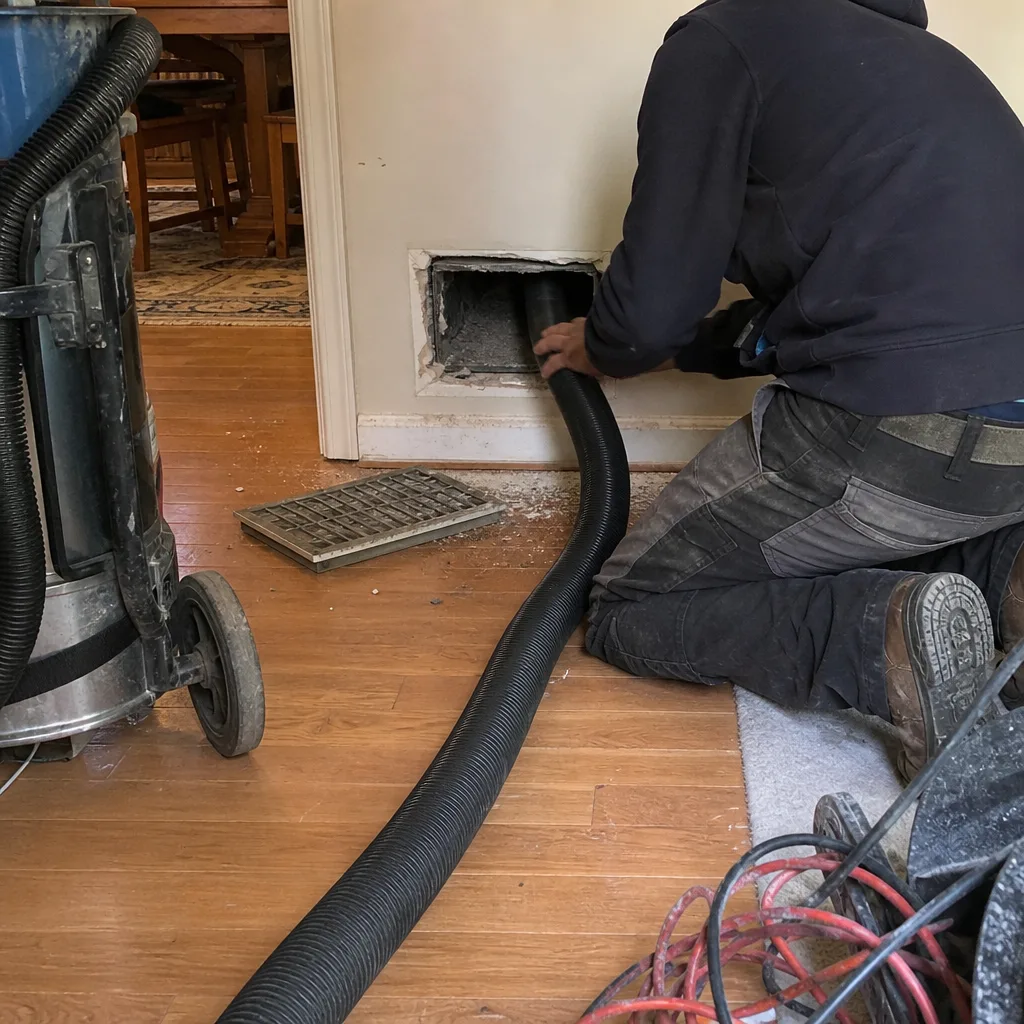 Before
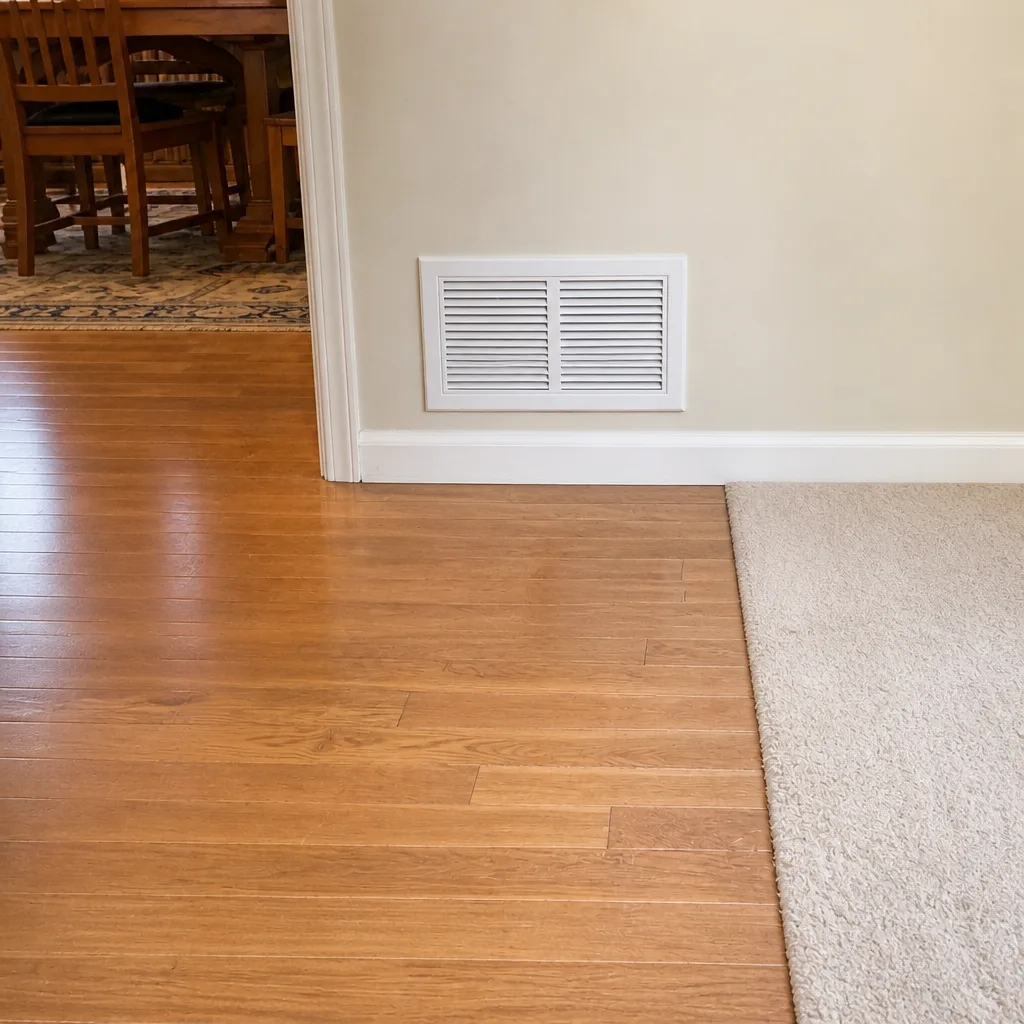 After
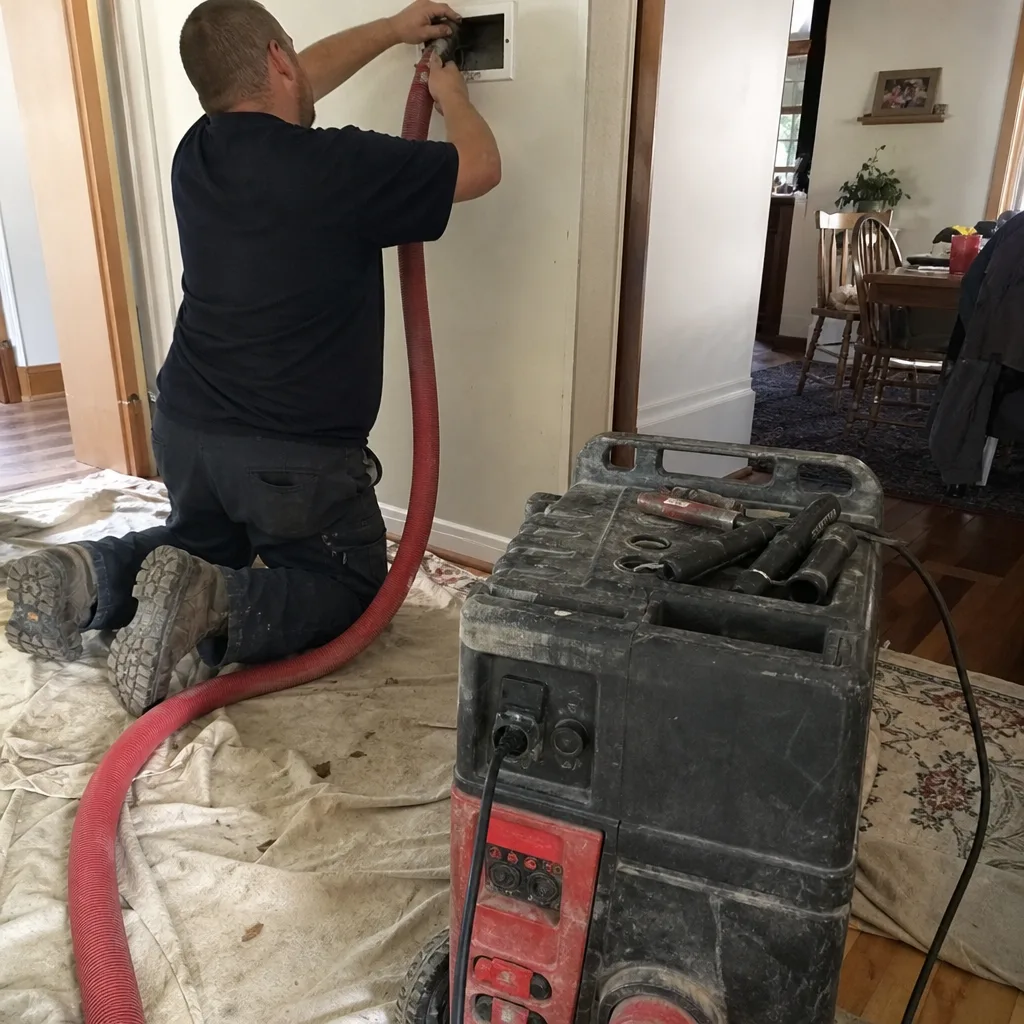 Before
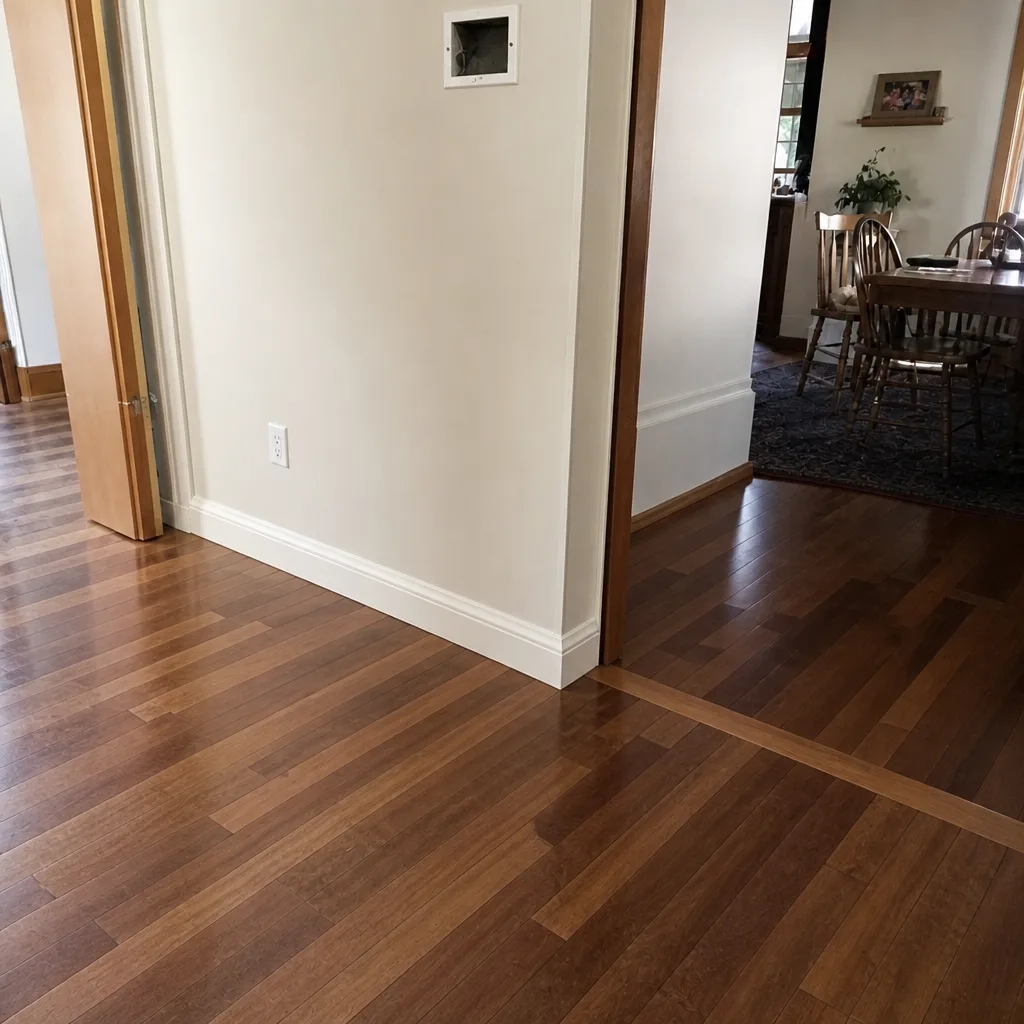 After
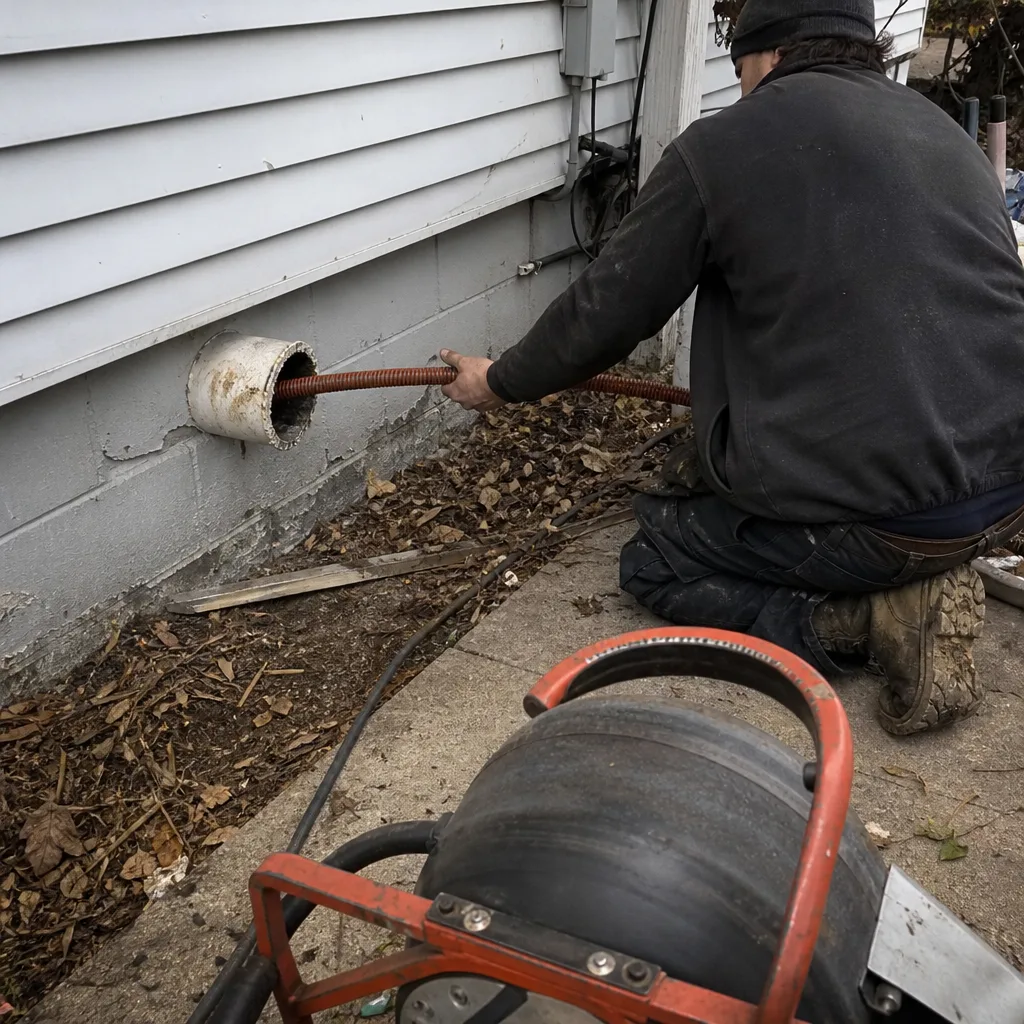 Before
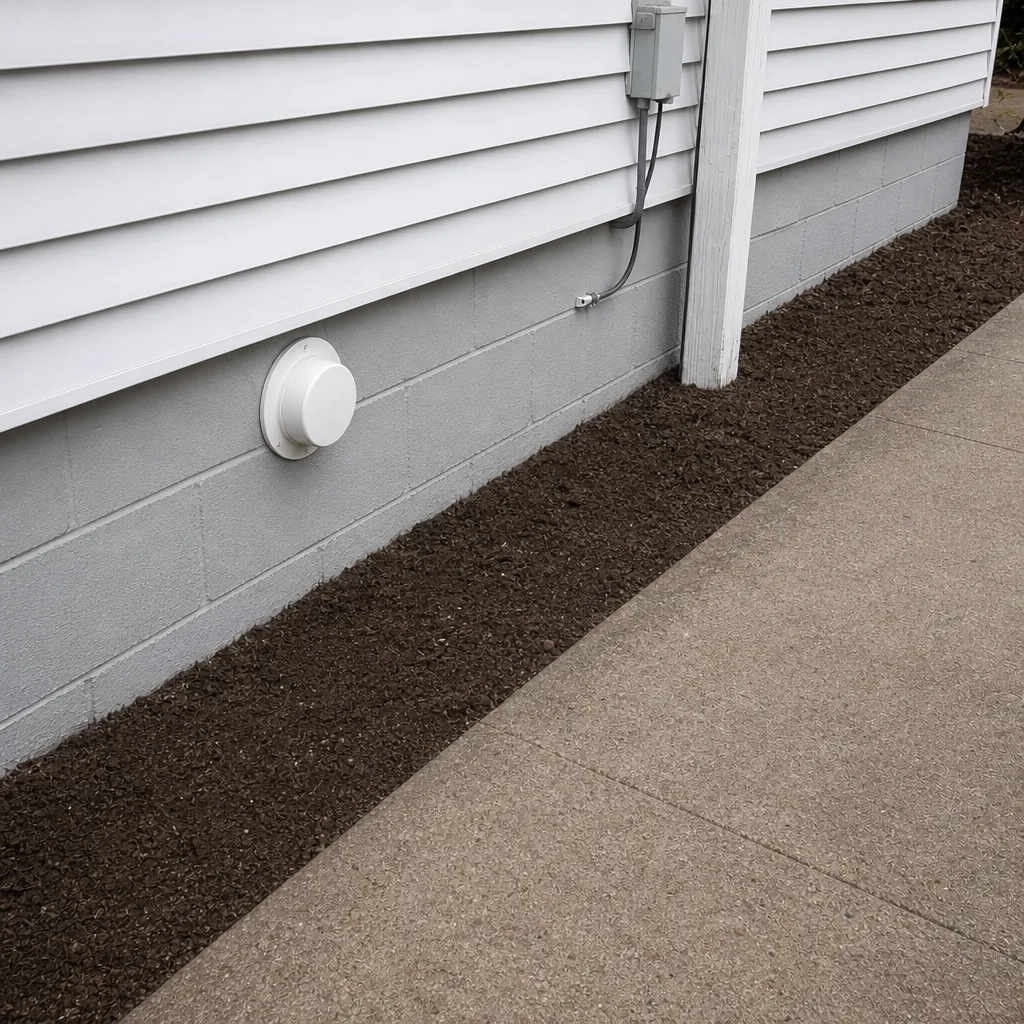 After
When to Call a Professional
Not every duct concern needs a contractor, but several consistently do. Call a professional if you notice visible dust blowing from registers right after a filter change, if you’ve recently renovated and drywall dust reached the supply runs, if your energy bills have crept up alongside visible debris at the air handler, or if your home has never had a duct cleaning and is more than a decade old. Also call if you’re seeing disconnected or pinched flexible duct in the basement or attic; that’s a repair job, and cleaning around it wastes money. If you’re wondering whether your system is even a candidate, a walkthrough answers that before any work is scheduled.
Whitman Air Duct Cleaning offers free estimates in Milwaukee. Call (866) 729-3894. We answer 24/7. Fast dispatch from 7am to 7pm, Sunday through Friday. Our technicians have up to 11 years of experience, and the estimate is free and the price is set per job by the written estimate, so you know the number before work starts.
Frequently Asked Questions
No, Wisconsin does not license air duct cleaning contractors, so there’s no state license to check. Instead, verify equipment, containment method, insurance, and NADCA affiliation. Because licensing doesn’t exist here, ask about equipment brands such as Rotobrush, Nikro, or Abatement Technologies, and request a walkthrough before pricing. Call (866) 729-3894 for a free estimate.
Pricing varies with the size of the system, number of runs, whether the air handler and coil are included, and whether repair is needed, because duct cleaning is priced per job from a walkthrough, not per vent. A coupon-style headline number is usually for a smaller scope than a full clean. We set one flat price per system from the written estimate. Call (866) 729-3894 for an exact quote; estimates are free.
Ask for before-and-after photos of your own ducts and air handler, and check the access cut-ins to confirm they were made, cleaned, and properly sealed. A contractor who cleans with containment leaves visible evidence: containment in place, cut-ins sealed, and photos taken mid-job. If a company can’t show you the work on your own system, treat it as a service you didn’t receive. Call (866) 729-3894 to book a job with documented evidence.
Cheaper quotes usually describe a smaller job: fewer registers cleaned, no containment, no air handler or coil, and sometimes no walkthrough. The low number isn’t a bargain once you line up the scope across seven items (supplies, returns, air handler, containment, access cut-ins, repair, and assessment method). A cheap quote for half the job costs more per unit of work. Call (866) 729-3894 and we’ll walk you through what a full-scope estimate covers.
Most homes don’t need it on a fixed schedule. Cleaning makes sense after a renovation, when visible debris is reaching the registers, when you’ve moved into an older Milwaukee home that hasn’t had one, or when the air handler shows buildup. In a cold-climate city like Milwaukee, filter changes matter more than frequent cleaning; a good filtration system (Honeywell and Aprilaire are common in local homes) does more heavy lifting than annual cleaning. Call (866) 729-3894 to find out whether your system needs it now.
Yes, whenever possible. Disconnected flex runs, damaged joints, and failed seals are common in Milwaukee’s older housing stock, and a cleaner without repair capability will either clean around the problem or hand it back to you. A single company that cleans and repairs keeps the scope coherent and avoids two separate walkthroughs. Call (866) 729-3894 to discuss both in one walkthrough.
The Bottom Line
Hiring a duct cleaner in Milwaukee is a technical exercise, not a price comparison. Wisconsin doesn’t license the trade, so your vetting is the only quality filter, and the questions you ask matter more than the certificate anyone shows you. Verify equipment: Rotobrush, Nikro, Abatement Technologies containment, or comparable professional-grade systems. Insist on a walkthrough and a written, itemized estimate before booking. Ask about repair capability, because a cleaning that leaves a disconnected run unfixed misses the point. Compare quotes on scope, not headline price. Do those four things, and the low-price-low-effort crew sorts itself out.
If you’d rather start with a conversation, call (866) 729-3894 for a free estimate. We answer 24/7. Fast dispatch from 7am to 7pm, Sunday through Friday. We use professional-grade equipment, we work with your insurer, and we repair alongside cleaning, so the estimate you get reflects the whole system rather than one part of it.
Written by the team at Whitman Air Duct Cleaning.