
Last updated November 15, 2026
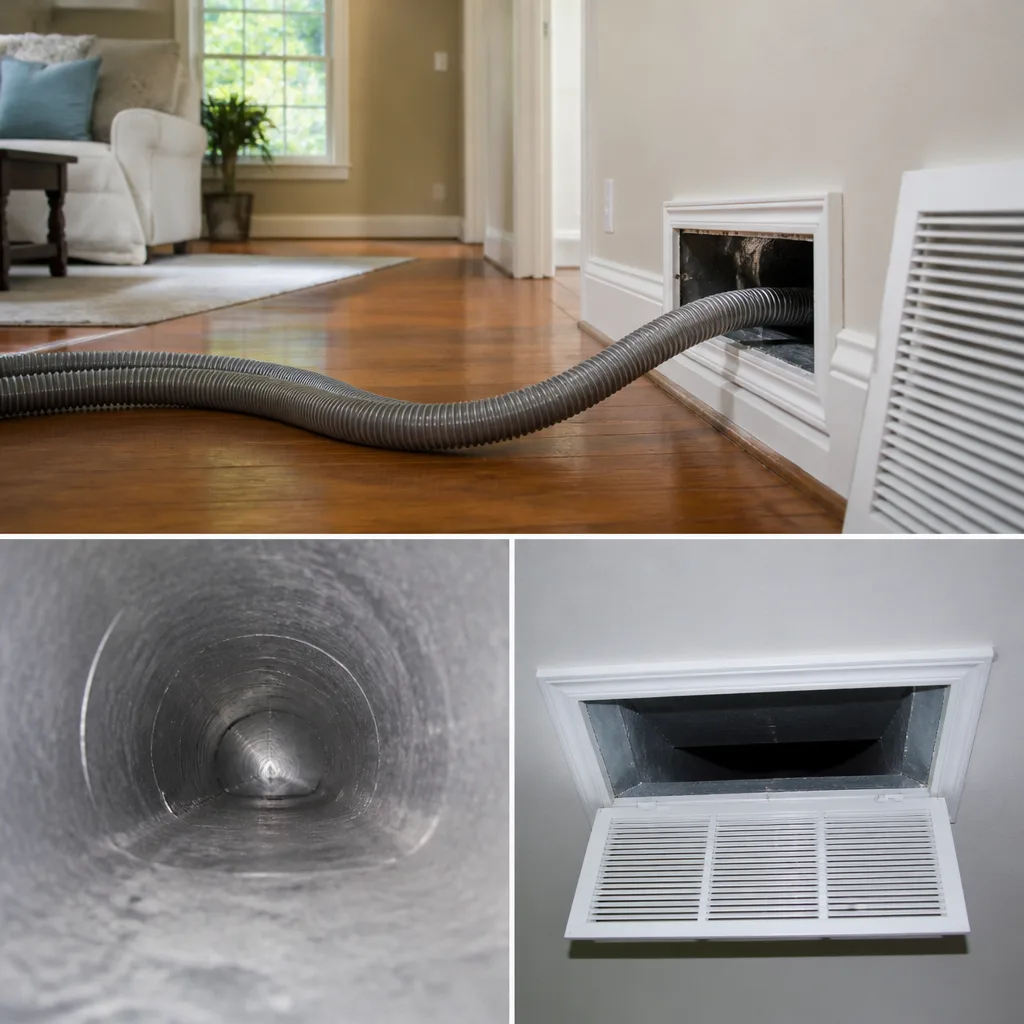 Whole-home duct cleaning
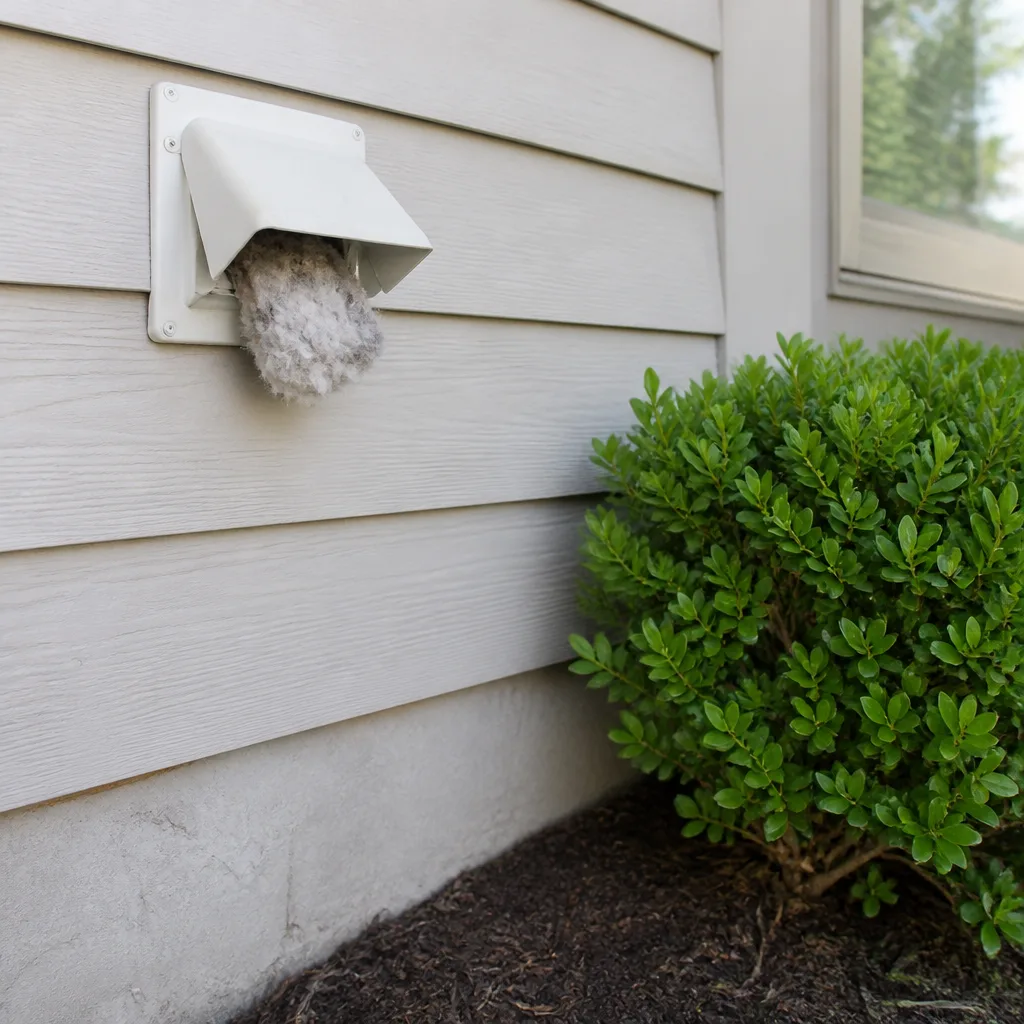 Dryer vent cleaning
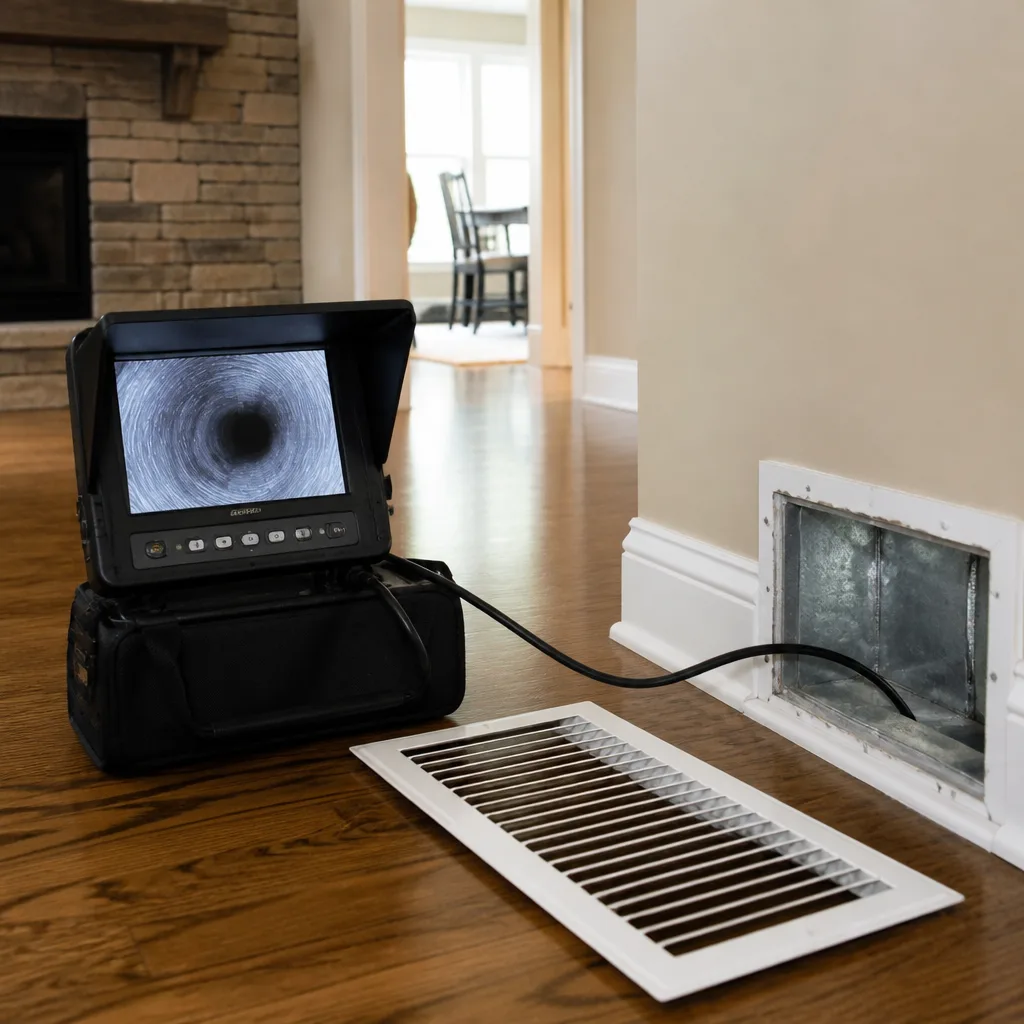 Camera inspection
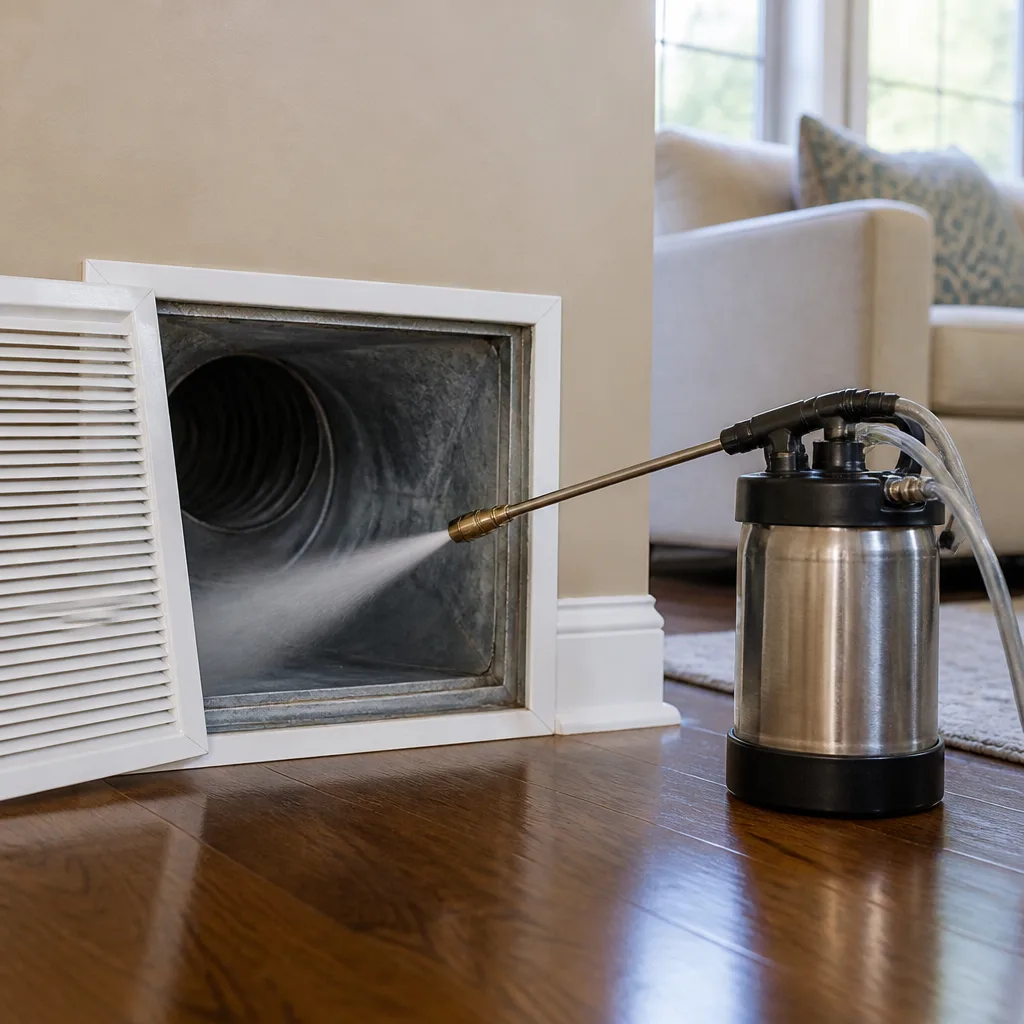 Sanitizing & deodorizing
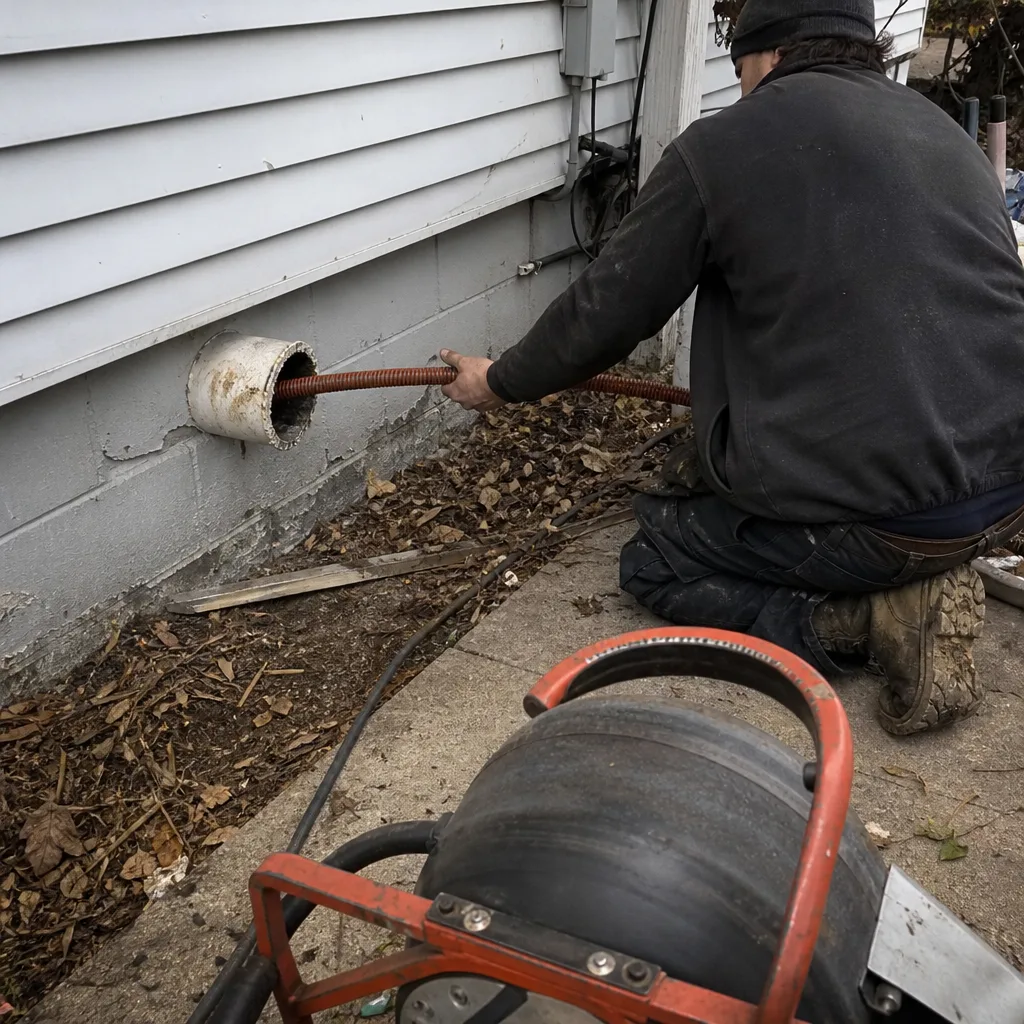
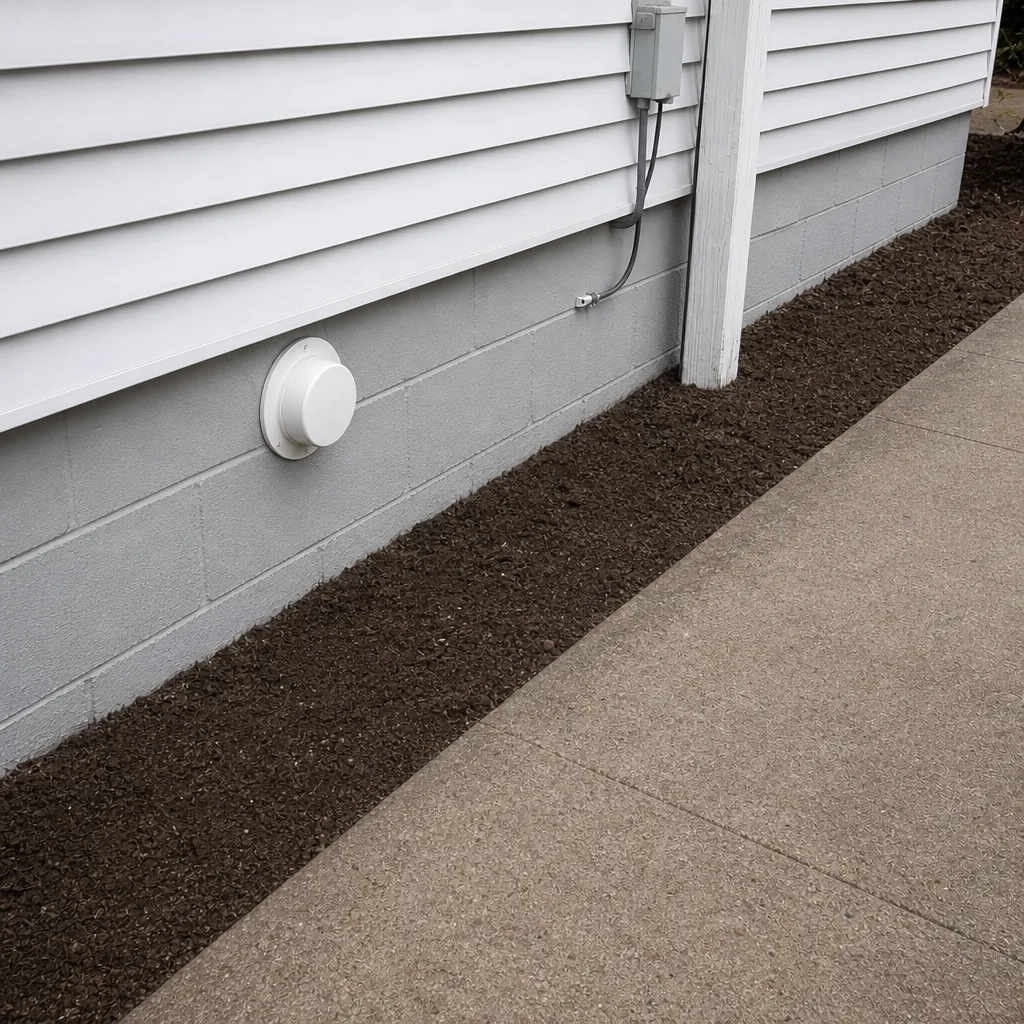
Whole-system duct and dryer vent check with before-and-after photos - you see exactly what came out of your vents
That "$99 whole-house special" is a bait ad - the real number appears once they are in your hallway, or the "clean" is a shop-vac at the register. We photograph the inside of your ducts before and after instead.
Seasonal Air Duct Cleaning Care for Milwaukee: Year-Round Homeowner’s Guide
Milwaukee homeowners close their windows for roughly six months a year. That single fact changes what your duct system is doing. From November through April, your forced-air system isn’t just moving heated air around the house – it’s the only air exchange mechanism a sealed home has. Most duct cleaning advice treats the job as a once-every-few-years event, something you schedule when the vents look gray. We think that misses the point. Milwaukee’s climate creates four distinct contamination windows over twelve months, each with its own risk profile inside your ductwork. This guide maps each season to what’s actually happening in your system, what to watch for, and when to act. You’ll learn the seasonal warning signs, how to build duct inspection around HVAC service you’re already booking, and what separates a real cleaning from a surface pass.
Styles & brands we work with
- Whole-home duct cleaning
- Dryer vent cleaning
- Camera inspection
- Sanitizing & deodorizing
Quick Answer
Air ducts in Milwaukee benefit from an inspection at least once a year, with full cleaning typically every two to five years depending on the home, pets, and how much the system runs. The highest-value timing is late fall, right before the first sustained heating cycle, and late spring after the wet thaw season. A seasonal check beats a random one because each Milwaukee season introduces a different contaminant to a forced-air system, and catching it early is cheaper than cleaning it out later.
Table of Contents
- Why Seasonal Timing Matters More in Milwaukee Than Almost Anywhere
- Fall: The First Heating Cycle Is the Highest-Risk Burn-Off Event
- Winter: Sealed Homes, Negative Pressure, and Accelerated Accumulation
- Spring: Thawing Basements and Open Windows
- Summer: Humidity, Duct Insulation, and Early Moisture Signs
- How to Build a Duct Schedule Around Your HVAC Service Calls
- What a Real Seasonal Cleaning Involves
- Common Mistakes to Avoid
- When to Call a Professional
- Frequently Asked Questions
- The Bottom Line
Why Seasonal Timing Matters More in Milwaukee Than Almost Anywhere
Milwaukee sits in a climate that swings hard. Summers push humidity into the 80s and 90s, winters drop well below freezing for weeks at a stretch, and the shoulder seasons are wet enough that basements stay damp into May. A duct system here goes through a wider range of conditions in twelve months than a system in Phoenix sees in five years. That range matters because contamination doesn’t build up at a steady rate. It spikes at predictable points in the calendar.
Here’s the mental model we walk homeowners through. Think of your ductwork as a set of four seasonal risk windows:
- Fall: the first heating cycle burns off accumulated dust on the heat exchanger, sending a one-time plume of particulate through the supply ducts.
- Winter: sealed windows and high runtime mean your system recirculates the same air far more times per day, so return ducts load up faster than at any other point.
- Spring: thawing ground raises basement humidity, and open windows pull pollen and fine grit straight into the return.
- Summer: cooling coils produce condensate, and any duct insulation that’s lost its vapor barrier becomes a moisture trap.
None of those four windows responds well to a “clean it whenever” schedule. Each one rewards a check at the right time, and each one punishes you if it’s ignored. This guide walks through all four so you can look at your own home and figure out where it sits. For a broader look at the service itself, see air duct cleaning in Milwaukee.
Fall: The First Heating Cycle Is the Highest-Risk Burn-Off Event
The first time you turn the heat on each fall, something happens inside your furnace and ductwork that doesn’t happen the rest of the year. Dust that settled on the heat exchanger over the cooling season gets baked off in one concentrated burn-off. If you’ve ever noticed a burnt-dust smell the first cold morning of the year, that’s what you were smelling. It’s normal, up to a point.
What’s not normal is what comes after. That burn-off plume travels through every supply duct in the house and settles into the same surfaces it’s been accumulating on all summer. In a Milwaukee home that had the air conditioning running from June through September, the return side has been pulling in fine dust, pet dander, and fibers from upholstery and carpet the whole time. The November heat cycle moves that material from the return into the supply, where it deposits on register grilles and the inside walls of the duct.
What to watch for in early fall
- A burnt smell that lingers past the first day of heating – that’s a signal to have the heat exchanger and ducts checked.
- Visible dust puffing from supply registers when the heat kicks on. A small puff is normal. A sustained cloud points to a loaded duct.
- An increase in dust settling on surfaces within a week of first heat. If your furniture needs a wipe-down twice as often as it did in September, the system is shedding.
- A metallic or chemical smell that doesn’t fade. That’s beyond burn-off and warrants a service call before the system runs again.
The reason fall cleaning earns its place on the calendar is simple: cleaning before the burn-off means the material isn’t in the duct to be moved around when the heat comes on. Cleaning after it means you’re chasing the plume’s deposits. Late October, before the first sustained cold, is the window. For homes that run a humidifier or a whole-house air cleaner tied into the duct system, that’s also the natural time to check the Honeywell or Aprilaire equipment, since those components sit in the airstream and collect the same material the ducts do.
Winter: Sealed Homes, Negative Pressure, and Accelerated Accumulation
Winter is when Milwaukee ductwork works hardest. With windows shut from November through March, the house becomes a closed loop. The furnace cycles on and off through the day, pulling air from the return, heating it, and pushing it back through the supply. The same air gets circulated over and over, and every pass adds a little more Material to the filter and whatever the filter doesn’t catch ends up coating the return duct walls.
There’s a second effect that matters and rarely gets mentioned: negative pressure. As a sealed house cools at night, the pressure differential between indoors and outdoors pulls household air into wall cavities and through gaps around doors and windows. That air has to come from somewhere, and some of it comes back through the duct system. In older Milwaukee housing stock, especially the two- and three-flat conversions common in neighborhoods like Riverwest and Bay View, the duct systems were often retrofitted decades after the buildings went up. When those ducts have gaps or disconnected joints, negative pressure pulls air from crawl spaces and wall cavities directly into the supply. That air carries dirt, insulation fibers, and whatever’s been growing in the cavity.
Winter warning signs
- Dust accumulating on supply registers faster than it did in fall.
- Rooms that feel drafty even with the heat on, especially near floor registers.
- A musty or “old house” smell in one part of the house that doesn’t go away when the room is cleaned.
- Higher-than-expected heating use without a change in thermostat settings.
If you’re seeing any of those, the fix isn’t always a full cleaning. It’s often a duct repair – a disconnected joint, a crushed run, a failed seal, or duct tape that’s lost adhesion and is letting air escape. Duct repair is a distinct service from cleaning, and in a lot of Milwaukee homes the two get done on the same visit. Whitman Air Duct Cleaning offers both, which means you don’t end up with a cleaned system that recontaminates because a joint is still open. Our technicians have up to 11 years of experience, and a fair amount of that work involves diagnosing why a duct system isn’t behaving the way its owner expects.
Spring: Thawing Basements and Open Windows
Milwaukee’s spring is wet. The ground stays saturated through April in most years, and basements that have been dry since October start taking on moisture. That moisture doesn’t stay in the basement. It migrates upward through the structure and into the return ducts, especially where a basement return register or a floor joist bay carries the return trunk. When the duct system pulls air from the basement in spring, it’s pulling humidity along with it.
The other spring effect is the open-window season. As soon as temperatures hold in the 50s and 60s, homeowners open up. That’s healthy for the house, but it also means the return system starts pulling outside air through open windows and doorways. Pollen, fine grit, and construction dust from the spring home-improvement season all get a fast track into the return plenum the first time the system kicks on.
What to check in spring
- Basement humidity. Run a hygrometer in the basement through April and May. If it’s sitting above 55 percent for more than a few days, the return side is moving humid air through the system.
- The air filter. Spring loads a filter faster than any other season because of pollen. Swap it more often during April and May, and don’t stretch the interval.
- The basement return register. If it’s sitting on a damp slab or near a floor drain, look for any staining on the grille or the surrounding floor. That’s a sign moisture is wicking into the return.
- Windows and door sweeps. Any leak around a window frame or door rough opening is a path for outside air. The duct system doesn’t have to work nearly as hard if those gaps are sealed.
- Pollen staining on register faces. A yellow-green film on the supply grille faces means fine particulate is passing through the filter and depositing on the duct walls.
Spring is also a good time to look at your dryer vent. Warmer weather means more laundry hung inside, and a dryer whose exhaust is restricted works harder and longer, dumping lint and moisture back into the laundry-room air. Dryer vent cleaning is a separate service from duct cleaning, but the two get done in the same visit in a lot of homes. That’s part of why we keep both air duct cleaning and dryer vent cleaning in scope – a house with a clean supply-and-return system and a clogged dryer vent still has an air quality problem.
Summer: Humidity, Duct Insulation, and Early Moisture Signs
Summer is the season where duct problems get expensive if you miss them. Air conditioning does two things at once: it cools the air, and it removes moisture from it through the evaporator coil. That moisture has to go somewhere, and it drains through the condensate line. When it’s working right, your ducts stay dry.
The trouble starts when a duct run in an unconditioned space – an attic, a crawl space, an unheated basement – loses its insulation or its vapor barrier. Warm humid air from outside meets a cold duct surface, and condensation forms. That condensation is what leads to the early indicators most homeowners miss. Mold in a duct doesn’t appear suddenly. It builds from a moisture problem over several weeks. If you catch the moisture early, mold never gets a chance to establish.
Early moisture indicators that read as nothing on their own
- A damp or “basement” smell in a room when the AC runs, fading when it cycles off.
- Water staining on a duct boot where it meets the floor or ceiling.
- Sweating on the outside of a visible duct in the basement or attic.
- Visible dark spots on the insulation facing near a duct joint.
- Frost on a duct or refrigerant line in an attic during the first hot week, which usually points to a damper or bypass issue downstream.
None of those look dramatic in the moment. None of them cost much to fix if they’re caught early. Each of them turns into a cleaning and remediation problem if it’s ignored through a full summer. The remediation-grade containment equipment is what makes the difference here. Abatement Technologies makes the industry-standard negative-air and containment gear used in this kind of work, and it’s the kind of equipment we bring to a job where the concern is more than surface dust. It keeps what’s in the duct from becoming what’s in the room while the work is going on. If you’re dealing with a moisture or mold concern in a Milwaukee duct system, that grade of containment isn’t optional.
How to Build a Duct Schedule Around Your HVAC Service Calls
The easiest way to stay on top of seasonal duct care is to piggyback it on something you’re already doing. Most Milwaukee homeowners book HVAC service twice a year – a cooling tune-up in spring and a heating tune-up in fall. That’s the rhythm to build around, and it costs you nothing extra in scheduling.
The annual schedule
- Spring cooling tune-up (late April or May): while the technician is on site, ask for a visual duct inspection. Look for moisture signs in the basement return, check the filter, and note any register faces with pollen staining or a damp smell nearby.
- Early summer: if spring inspection flagged anything – moisture, staining, a disconnected joint, reduced airflow – get it addressed now. Summer is when a small moisture problem grows into a mold problem.
- Late summer: check attic and crawlspace duct runs for sweating or vapor barrier failures. This is the season where the temperature differential is largest, so any weakness shows up.
- Fall heating tune-up (September or October): this is the natural full-cleaning window. Cleaning before the first heat cycle means the burn-off plume is traveling through clean ducts.
- Late fall: confirm the filter is fresh and the return is clear. Winter is the highest-runtime season, so you want to head into it with a clean system.
- Winter: monitor. Note dust accumulation on registers, any new musty smell, and any room that’s not heating evenly. If something changes, book an inspection rather than waiting for spring.
Two full cleanings a year is rarely necessary. One well-timed cleaning, driven by what the seasonal inspection showed, is usually the right call. Full cleaning intervals of two to five years fit most homes; homes with pets, recent renovations, or a history of moisture get shorter intervals. The guide isn’t a rigid calendar – it’s a framework. If you’re not sure where your home sits, ask for an inspection and go from there.
What a Real Seasonal Cleaning Involves
Air duct cleaning gets sold in a lot of ways, and not all of them are honest. The variables that matter most are the equipment, the containment, and whether the technician can actually see what’s inside the duct before and after cleaning. Here’s what a professional-grade seasonal cleaning should include.
The equipment matters
Rotobrush and Nikro both make purpose-built duct cleaning systems used by contractors who do this work as a specialty rather than a line item. These systems use rotating brushes and high-powered vacuum with HEPA filtration to mechanically agitate contamination off the duct walls while capturing what’s loosened. A shop vac with an extension wand is not the same tool. If a cleaning quote doesn’t mention the equipment, ask what’s being used.
The containment matters
Containment is what separates a cleaning from a remediation-level job. Abatement Technologies equipment is the standard for negative-air containment in this industry, and it keeps the particulate that’s being removed from drifting into the living space while the work is going on. A good cleaning keeps dust in the duct until it’s captured, not in the air over the furniture.
The service step by step
- Walkthrough and inspection, including the duct runs, the furnace, and the returns.
- Set up containment and negative air where the work requires it.
- Agitate the duct surfaces with rotary brush equipment while vacuum captures the loosened material.
- Clean the supply and return sides, the registers, and the plenum.
- Check insulation and joints and flag any duct repair needed.
- Take before-and-after photos of the duct interior so you can see what was done.
- Replace the filter if needed and confirm airflow from each register before leaving.
For homes where the ducts are already clean but something else is off – damaged joints, sagging runs, a crushed section under a floor – repair is the fix. We don’t just clean; we repair. That’s why Milwaukee homeowners can call one company and get both services done rather than finding a repair specialist after the cleaning crew leaves. When a duct system has deteriorated, Guardsman-surface protection for the surrounding surfaces keeps the work from leaving scuffs, and the repair itself is done to the same standard as the cleaning.
Common Mistakes to Avoid
- Cleaning only when it’s convenient. The cleaning should happen before the contamination event, not after. Fall cleaning in October beats fall cleaning in December because the burn-off plume is what you’re trying to prevent. Same idea for spring: catch the pollen before it loads the return.
- Skipping the inspection to save time. A quote that doesn’t include an inspection means the technician is guessing at what’s in the ducts. In a Milwaukee home with a retrofitted duct system, that guess is often wrong.
- Paying per vent. Per-vent pricing on a duct cleaning is a red flag. The work is a system, not a set of vents, and the price should reflect the whole job. If a quote is highly variable by vent count, ask why.
- Ignoring the dryer vent. A lot of homeowners clean the ducts and forget the dryer vent. Both are ventilation systems, and both accumulate lint and dust. A dryer that runs long and leaves clothes damp is a signal.
- Treating a moisture smell as a cleaning problem when it’s a repair problem. A musty smell after AC is a sign of a moisture source, not just a dirty duct. Cleaning without repairing the source means the smell comes back. This is one of the biggest reasons duct cleaning “doesn’t work” in some homes.
- Skipping the return side. The supply side is what homeowners see, so it gets clean first. The return side is where the accumulation started and usually needs more mechanical work. A cleaning that ignores the return isn’t a cleaning.
- Trusting a coupon price that doesn’t mention equipment. A low number with no scope means you don’t know what you’re buying. Ask what equipment is being used and whether containment is included.
When to Call a Professional
If you can answer yes to any of the following, it’s time for an inspection. A burnt smell that lingers past the first day of heating, dust puffing visibly from registers when the system starts, a musty smell that appears when the AC runs, visible moisture staining on a duct boot, a room that won’t heat or cool evenly despite the rest of the house being comfortable, or a dryer that’s leaving clothes damp after a full cycle. Add to that list any renovation where drywall was cut or floors were sanded – construction dust finds the return system, and only a professional-grade vacuum with containment gets it back out. A home that’s never had its ducts cleaned and was built before the 1990s is also worth an initial inspection, particularly if the duct system has never been checked for disconnected joints.
Whitman Air Duct Cleaning offers free estimates in Milwaukee – call (866) 729-3894. We answer 24/7. Fast dispatch from 7am to 7pm, Sunday through Friday. Every estimate includes a look at the system and a flat price per job so you know what the work involves before it starts. Learn more at Whitman Air Duct Cleaning.
Frequently Asked Questions
Most Milwaukee homes benefit from a full cleaning every two to five years, with an inspection at least once a year. The interval shortens for homes with pets, recent renovations, or a history of basement moisture. The seasonal guide here is designed to help you time the cleaning so it lands before the contamination event, not after.
Late fall, right before the first sustained heating cycle, is the highest-value time because it catches the system before the burn-off plume spreads. Late spring is the second-best window, ahead of the cooling season and after the wet thaw. Either works; the important thing is cleaning before the seasonal contamination event rather than reacting to it months later.
That’s the first heating cycle burning off dust that settled on the heat exchanger during the cooling season. It’s normal for a short time. If it lasts past the first day, or if the smell is metallic or chemical rather than dusty, have the system checked before it runs again. A furnace burn-off smell that doesn’t fade is not something to wait on.
Cleaning removes the material moisture has already loaded into the ducts, but it doesn’t stop the moisture source. If the basement return is pulling humid air in spring, the fix usually involves a duct repair, a dehumidifier, or both. Cleaning without addressing the source means the problem returns the next season.
Cleaning removes contamination from the interior surfaces of the duct system. Repair fixes physical problems – disconnected joints, crushed runs, failed seals, damaged insulation – that let air escape or contaminants in. A lot of duct systems need both, and doing them together means the cleaned system doesn’t recontaminate through a still-open joint.
Usually because the scope is different. A low quote often means less equipment, no containment, no inspection, and sometimes no actual return-side cleaning. Ask what equipment is being used, whether before-and-after photos are taken, and whether containment is part of the job. The price reflects the work; a quote that doesn’t describe the work isn’t comparable to one that does. Call (866) 729-3894 for a free estimate with a full scope.
The Bottom Line
Milwaukee’s seasons do specific things to a forced-air duct system, and the four seasonal windows in this guide are the practical way to stay ahead of them. Fall cleaning beats the burn-off. Winter monitoring catches the return-side loading before it settles. Spring inspection catches the moisture. Summer attention catches the vapor barrier failures before they become mold. Build the schedule around your existing HVAC tune-ups and the annual rhythm handles itself. The other half of staying ahead is knowing what a real cleaning looks like – proper equipment, proper containment, before-and-after visibility, and a repair capability that doesn’t leave you calling someone else. Inspections cost nothing. Call (866) 729-3894. We answer 24/7. Fast dispatch from 7am to 7pm, Sunday through Friday.
Written by the team at Whitman Air Duct Cleaning.
See the difference
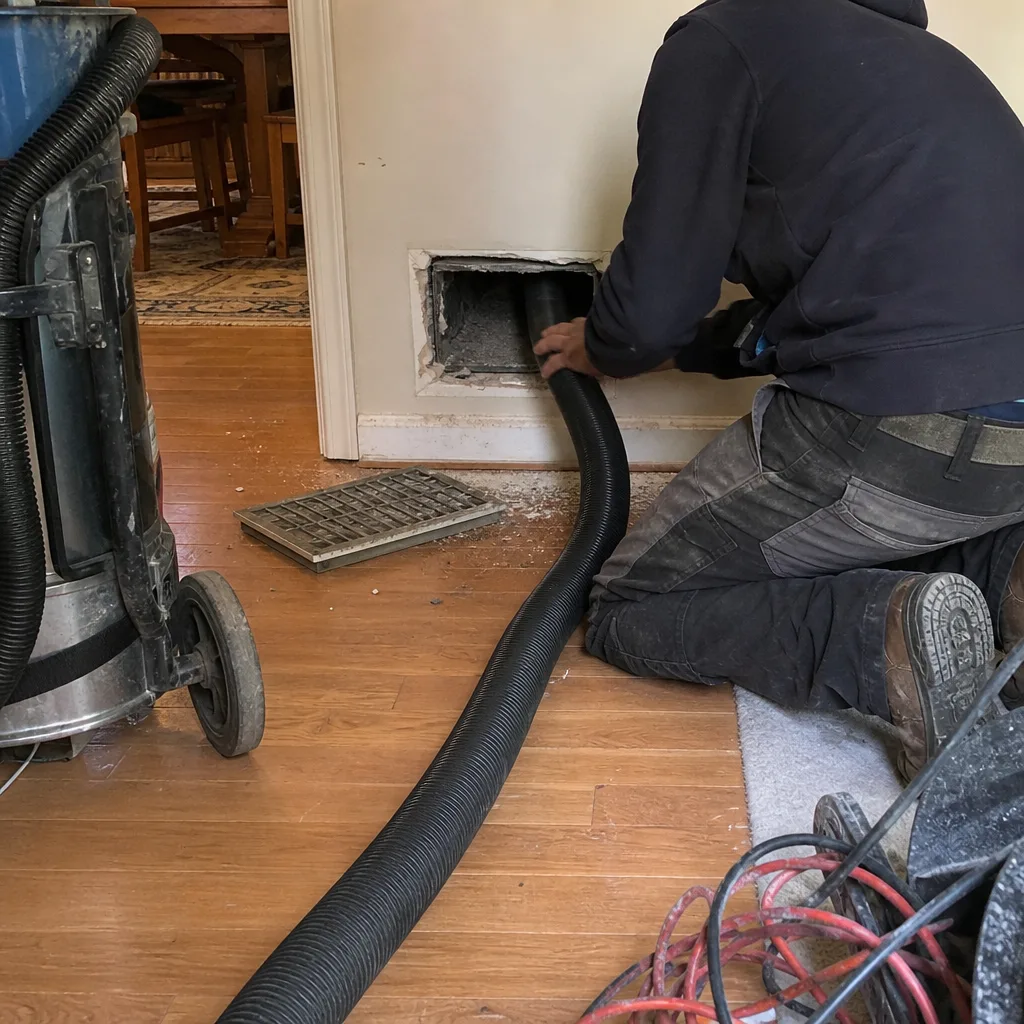 Before
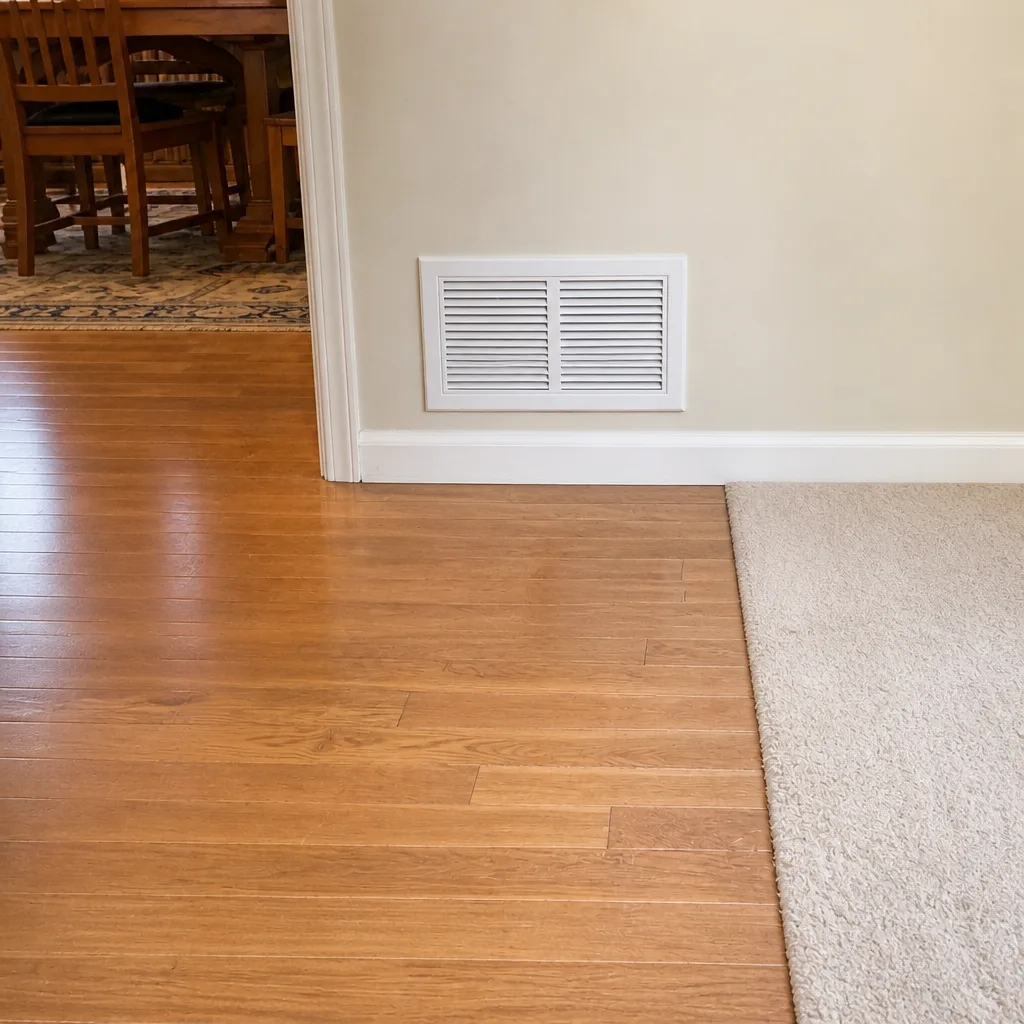 After
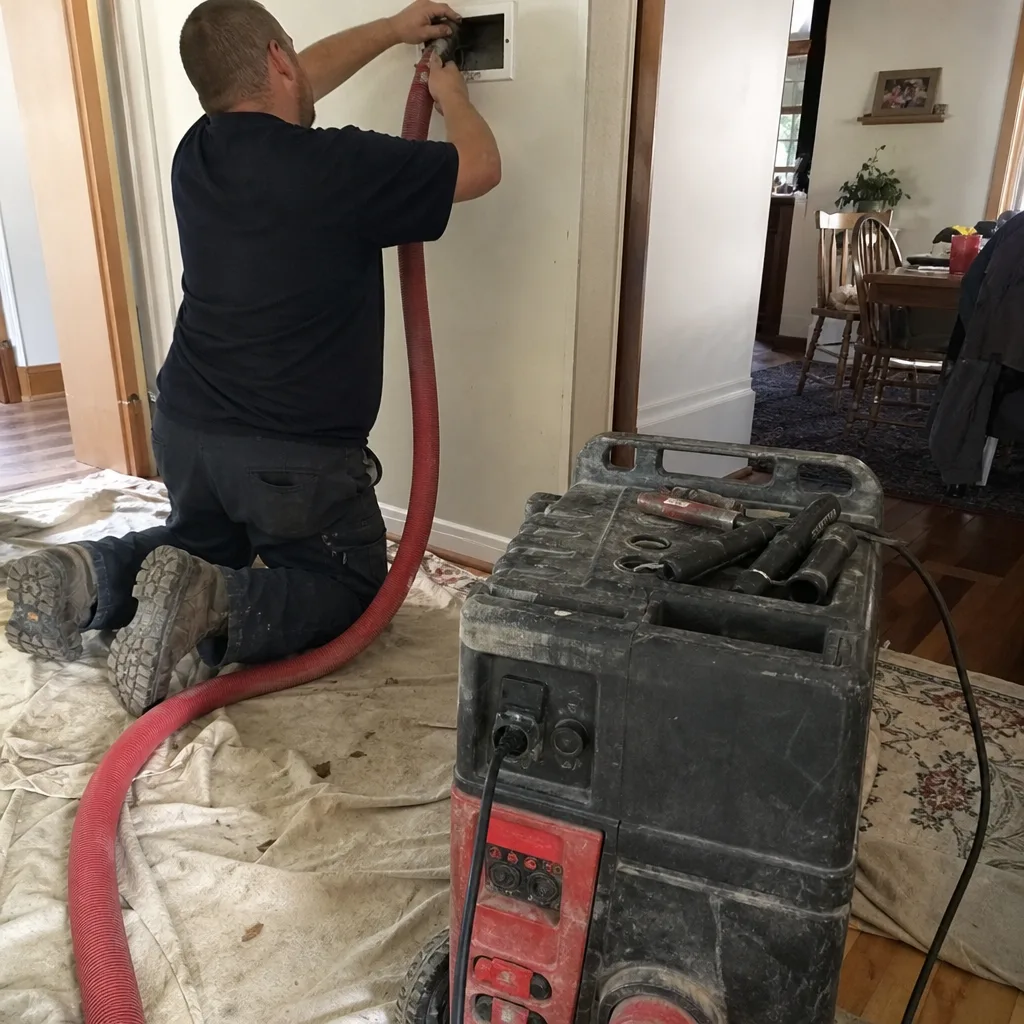 Before
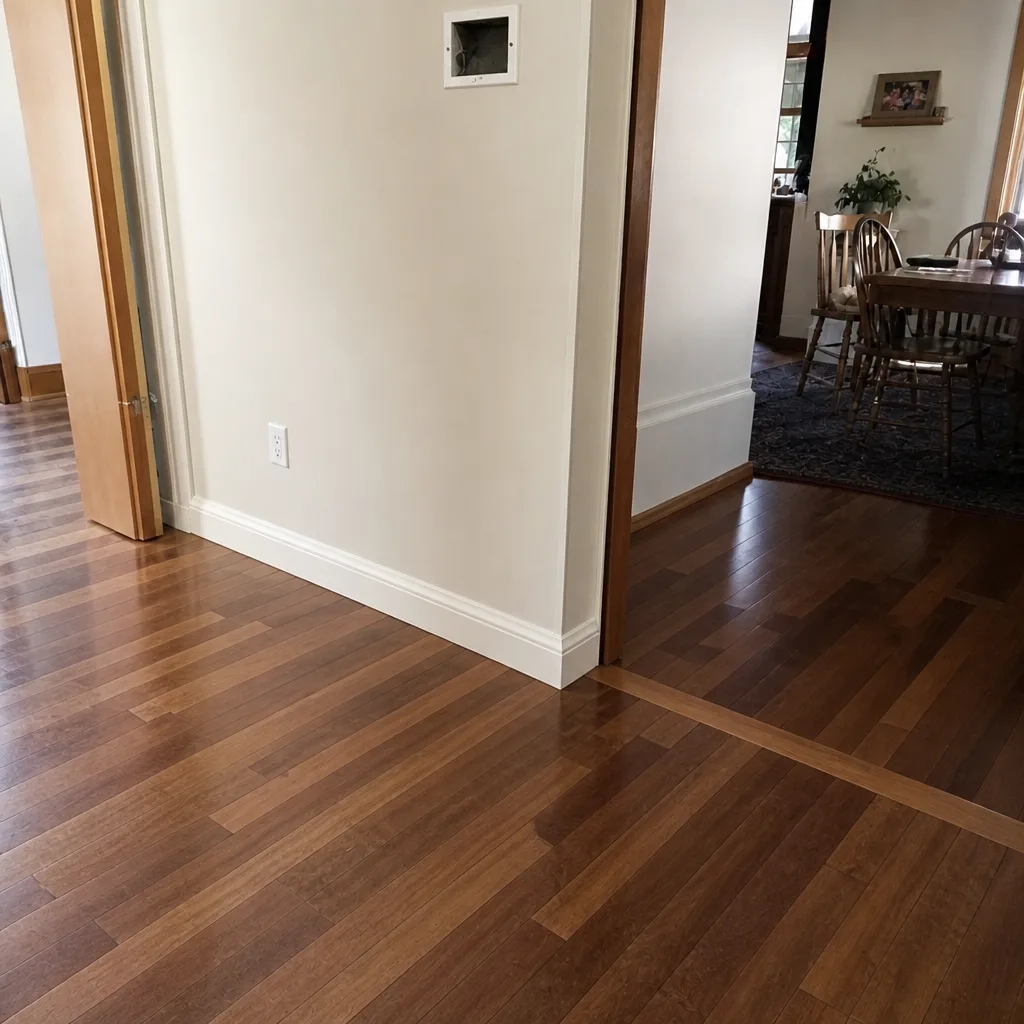 After
 Before
 After