
Last updated November 15, 2026
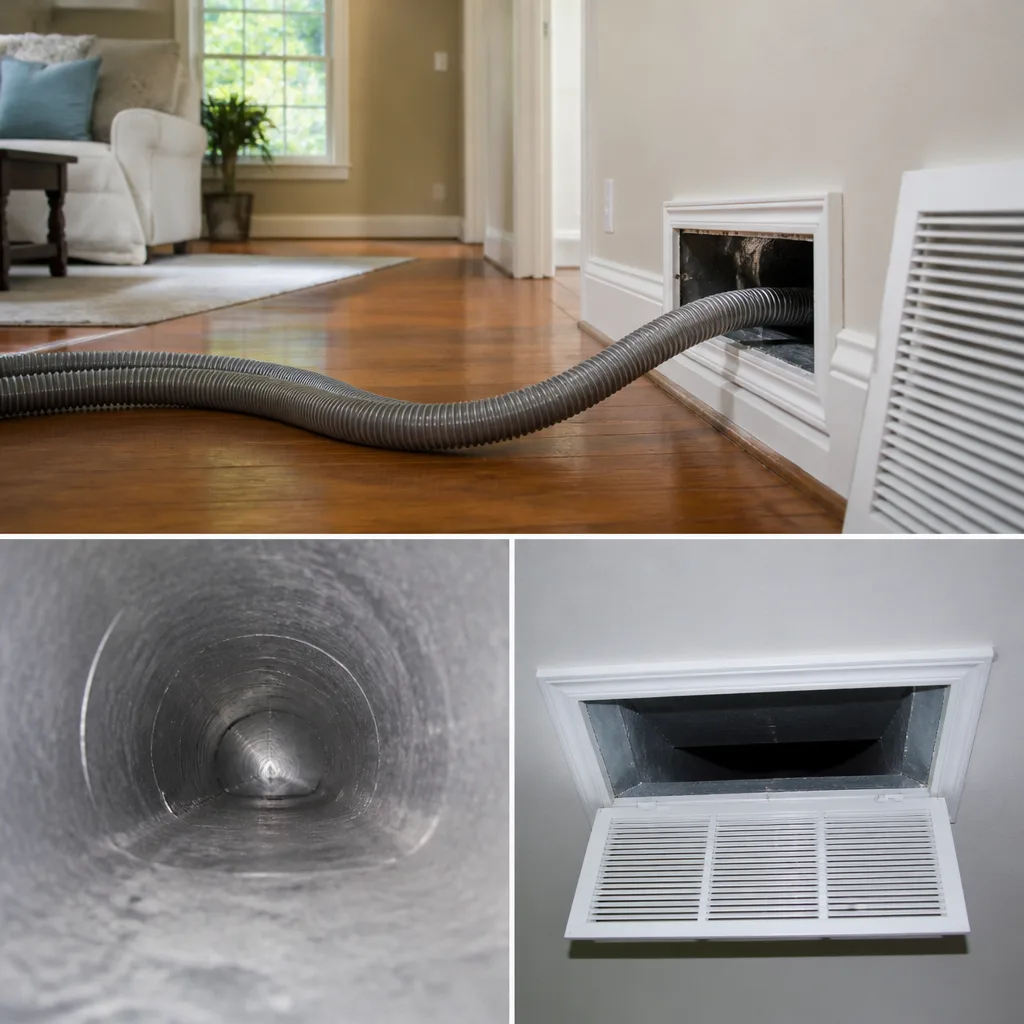 Whole-home duct cleaning
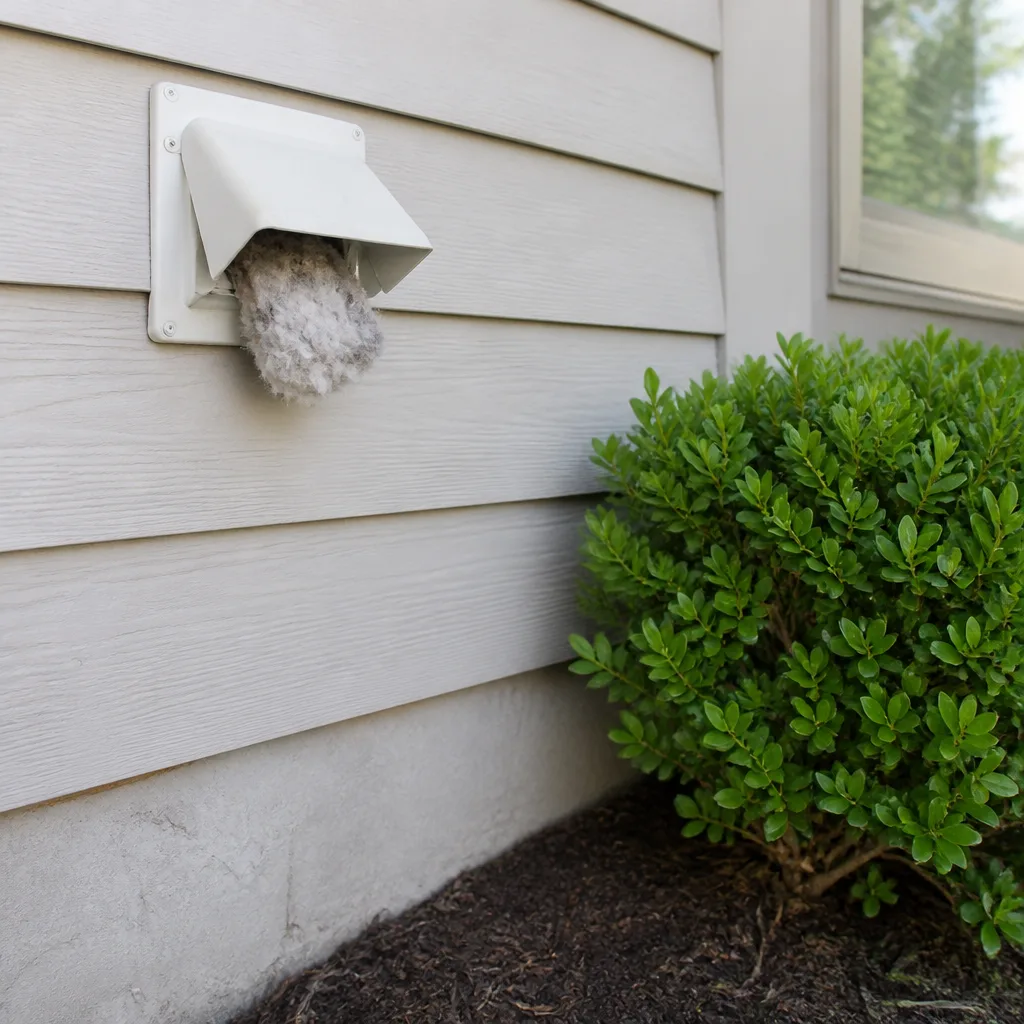 Dryer vent cleaning
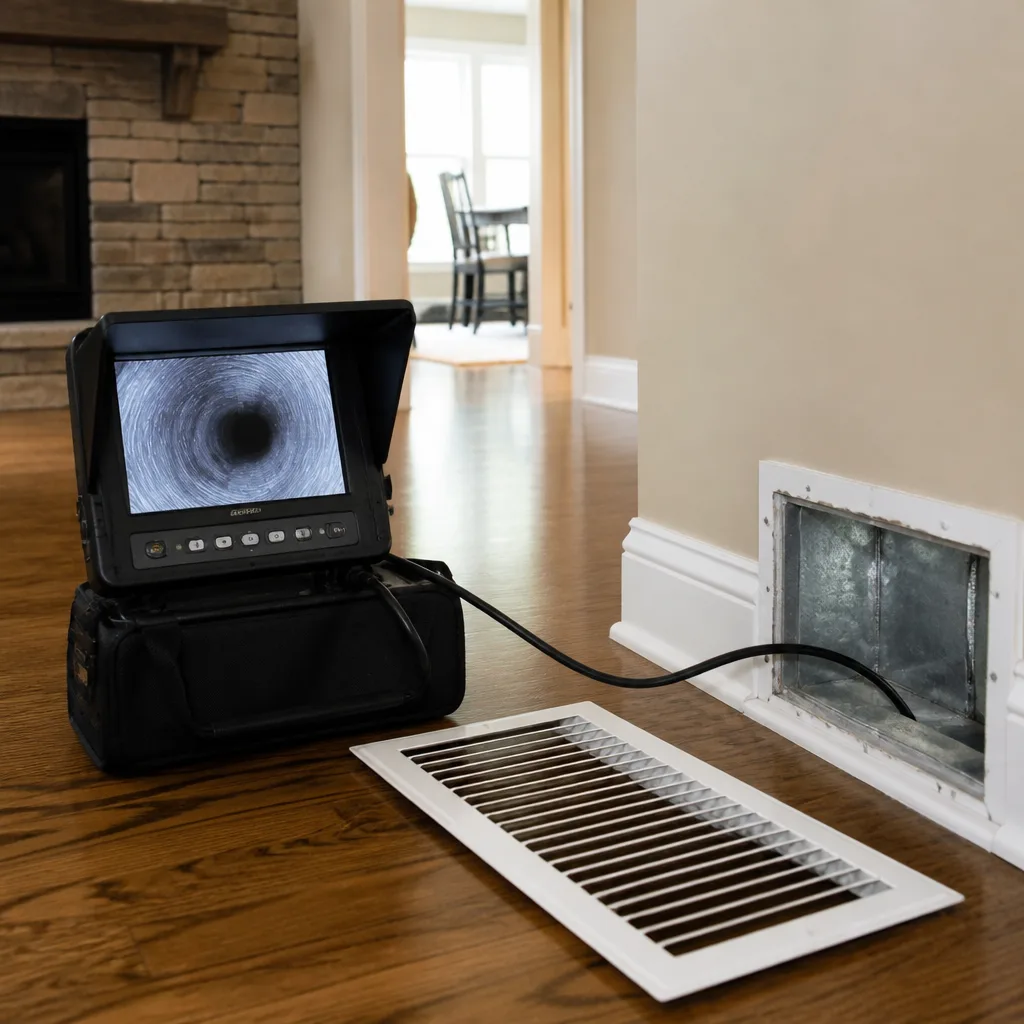 Camera inspection
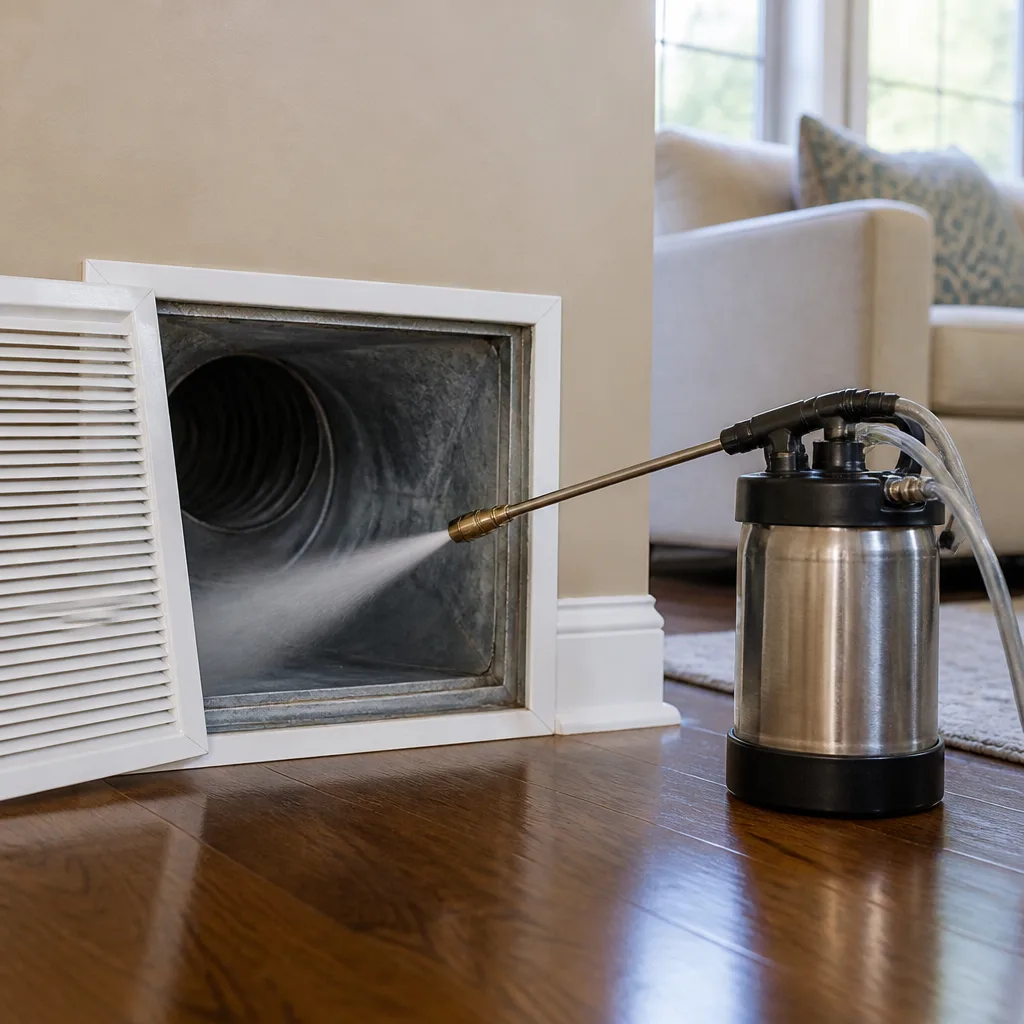 Sanitizing & deodorizing
Whole-system duct and dryer vent check with before-and-after photos - you see exactly what came out of your vents
That "$99 whole-house special" is a bait ad - the real number appears once they are in your hallway, or the "clean" is a shop-vac at the register. We photograph the inside of your ducts before and after instead.
Choosing the Right Air Duct Cleaning Brand: A Buyer’s Guide for Milwaukee
Every air duct cleaning company in Milwaukee will tell you they use “professional equipment” and follow “industry best practices.” Almost none of them will tell you the airflow rating of their vacuum system, how they establish negative pressure before the job starts, or what they do if they find a crushed return trunk under your floorboards. That gap between the marketing language and the technical answer is where the real difference sits. In this guide we’ll show you the equipment questions that split capable contractors from marketing-first operations, what certification actually covers, and how to read a Milwaukee quote for what it doesn’t say.
Quick Answer
The right air duct cleaning brand for a Milwaukee home is the one that can name its equipment, explain how it contains dust during the job, and quote a flat price for the whole system rather than a per-vent teaser. Look for a contractor that uses purpose-built duct cleaning machines, brings containment equipment, and will repair damaged ductwork rather than just vacuum around it. If a company can’t answer those three things clearly before you book, keep looking.
Styles & brands we work with
- Whole-home duct cleaning
- Dryer vent cleaning
- Camera inspection
- Sanitizing & deodorizing
Table of Contents
- The Three Equipment Questions That Separate Real Contractors
- What NADCA Certification Actually Certifies
- How to Read Reviews for a Duct Cleaning Company
- Why Milwaukee’s Housing Stock Changes the Job
- Cleaning vs. Repair: Why the Second One Matters
- What a Proper Duct Cleaning Visit Looks Like
- Cheap Quotes and What They Usually Mean
- The Dryer Vent Question Every Buyer Forgets
The Three Equipment Questions That Separate Real Contractors
Ask any duct cleaning company what equipment they’re bringing and listen for specifics. A capable operation answers without hesitation, because the equipment is the part of the job they’re proudest of. A marketing-first operation pivots to price, scheduling, or a special offer. Here are the three questions that do the sorting:
- What machine are you using, and how much airflow does it move? Purpose-built truck-mounted or portable duct cleaning systems pull far more air than a shop vacuum, and the contractor should know the numbers on their own unit. Systems like Nikro and Rotobrush are built for this work specifically, and the person running one should be able to describe it in a sentence.
- How do you contain the dust while you work? Cleaning ducts releases debris into the air unless the contractor sets up negative pressure containment at the registers and the air handler. Abatement Technologies equipment is the standard in contaminant containment and negative-air work, and hearing that name or an equivalent tells you the crew is thinking about your house, not just the ducts.
- What happens if you find damaged ductwork? Older Milwaukee homes turn up disconnected joints, crushed flex runs, and deteriorating duct board. A contractor who only cleans will vacuum the mess and leave the failure in place. Ask directly whether repair is part of what they do.
Companies confident in their equipment want you to ask. In our experience, the crew that volunteers this information before you bring it up is the same crew that documents what they found and shows it to you afterward.
What NADCA Certification Actually Certifies
NADCA certification is a real credential and worth asking about, but it isn’t a guarantee of thoroughness on your particular job. The National Air Duct Cleaners Association sets assessment, cleaning, and restoration standards for the industry, and its individual certification (Air Systems Cleaning Specialist, or ASCS) means a technician has been tested on those standards and keeps up with continuing education. What it does not do is audit every job, dictate how much time a crew spends in your house, or confirm that the company sent a certified technician to your door rather than a helper with a vacuum hose.
So how should you use it?
- Ask who is actually on site. Certification applies to people, not to a company name on a van. Ask whether a certified technician will be at your Milwaukee home during the work.
- Treat it as a floor, not a ceiling. A certified contractor still has to choose good equipment, contain dust, and repair what’s broken. Certification sets a knowledge standard; the workmanship is separate.
- Pair it with the source removal question. The NADCA standard is about source removal, meaning the debris is physically taken out of the system and captured, not blown around or sprayed with a sealer and left. If a quote describes fogging or sanitizing but never mentions extraction, that’s a red flag regardless of credentials.
Certification is one useful filter among several. Equipment, containment, repair capability, and a flat written price tell you more about the job you’re actually going to get.
How to Read Reviews for a Duct Cleaning Company
Reviews for duct cleaning are harder to read than reviews for most trades, because customers can’t see inside their own ducts. A five-star review that says “great service, very professional, would recommend” tells you almost nothing; it could describe a genuinely thorough job or a twenty-minute vacuum pass. The reviews worth reading are the ones that mention things only a real service visit would produce.
Look for these signals:
- Descriptions of what was found or shown. Reviews that mention before-and-after photos, a camera inspection, or a specific problem the crew discovered (a disconnected run, a nest in a return) suggest the customer actually saw the work.
- Time on site. A thorough whole-home cleaning in a typical Milwaukee house takes hours, not minutes. A reviewer who mentions the crew being there most of the morning is describing a real job.
- Consistency of complaint. One bad review out of many is noise. A pattern of the same complaint, like a price that grew on site or a crew that skipped registers, is a signal.
- Review timing. A cluster of similar-sounding reviews posted in a short window reads as solicited or purchased. Spread-out reviews from customers with real detail read as genuine.
Strip out the generic praise and ask whether the review describes a service experience or just a mood. That filter alone will tell you more than the star average.
Why Milwaukee’s Housing Stock Changes the Job
Duct cleaning in Milwaukee is not the same job as duct cleaning in a subdivision built in the last decade. A large share of the city’s housing is older, and that changes both what a crew finds and what they need to be equipped to handle. Homes in neighborhoods like Riverwest, Bay View, Washington Heights, and the east side often have original sheet metal ductwork, retrofit flex runs added during a furnace replacement, or a mix of both after decades of partial remodels.
What that means in practice:
- Disconnected and crushed runs are common. Flex duct that was pulled tight around a corner thirty years ago may be pinched shut. Cleaning it does nothing until it’s repaired.
- Duct board deteriorates. Some older systems use duct board, which can shed fibers as it ages. A crew that inspects and reports on this is doing you a favor; one that ignores it isn’t.
- Returns are often undersized by modern standards. This affects airflow and how much debris settles where. A contractor familiar with Milwaukee homes knows where to look.
- Basements and crawlspaces vary widely. The way the system is laid out above and below the living space changes how a crew sets up containment and access.
A national franchise with a script may do a competent job in a newer home and struggle in a 1920s Milwaukee duplex. Local experience with this housing stock is worth more than brand recognition on a van.
Cleaning vs. Repair: Why the Second One Matters
Most duct cleaning companies clean. Far fewer repair. That gap matters in Milwaukee because the problems cleaning is supposed to solve, like dust, uneven airflow, and stale smells, are often caused by duct failures that cleaning can’t fix. If a supply run has come apart in the attic or a return boot has pulled away from the floor, the system is pulling attic air or basement air into your living space, and no amount of vacuuming changes that.
A company that offers air duct cleaning and repair together can inspect, identify a failure, and correct it in the same visit rather than handing you a list and leaving. Practically, that looks like:
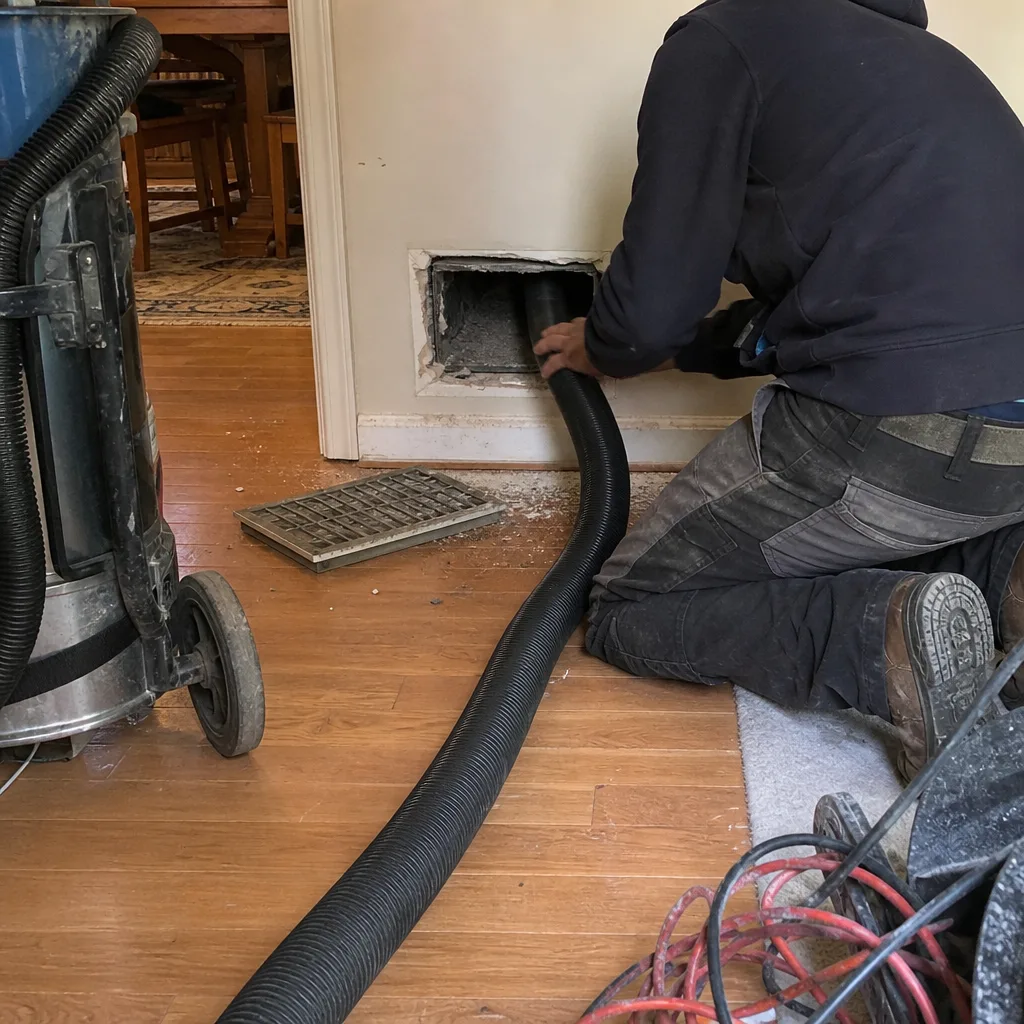
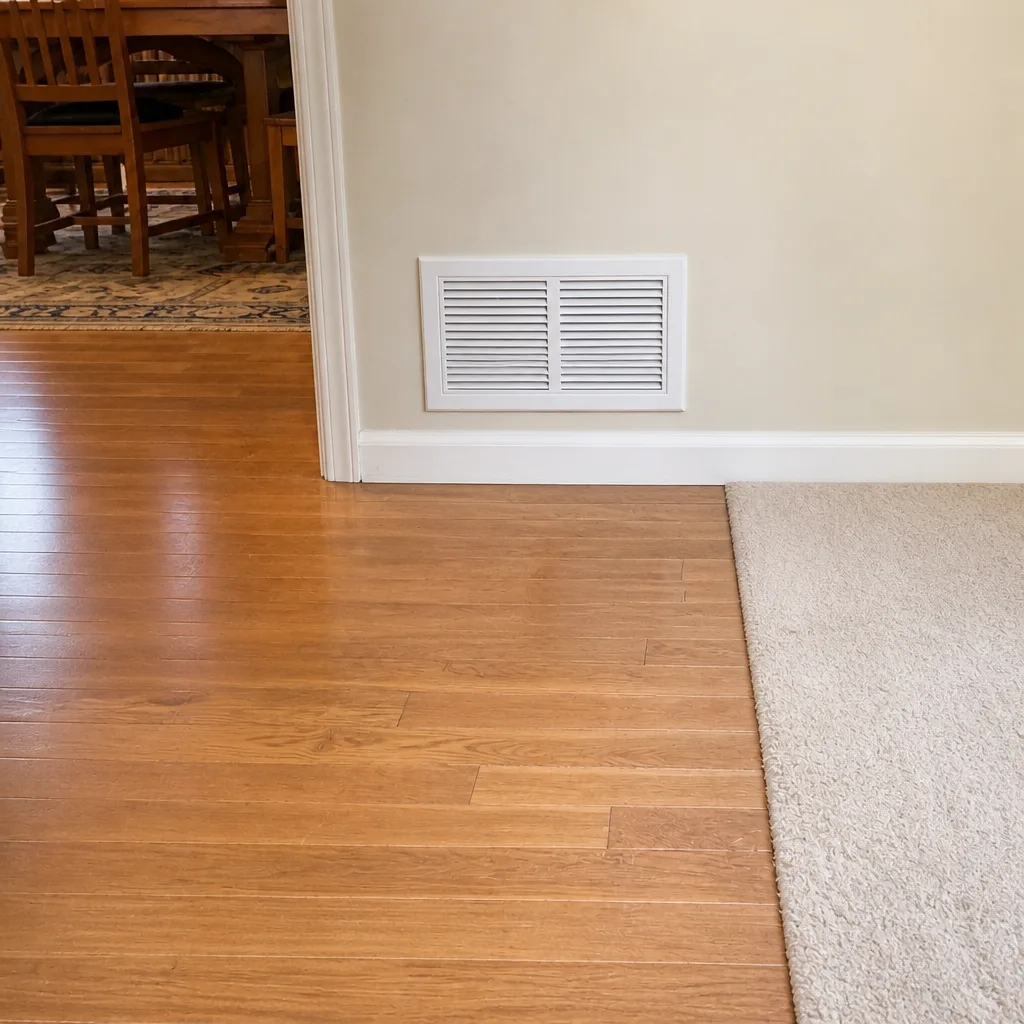
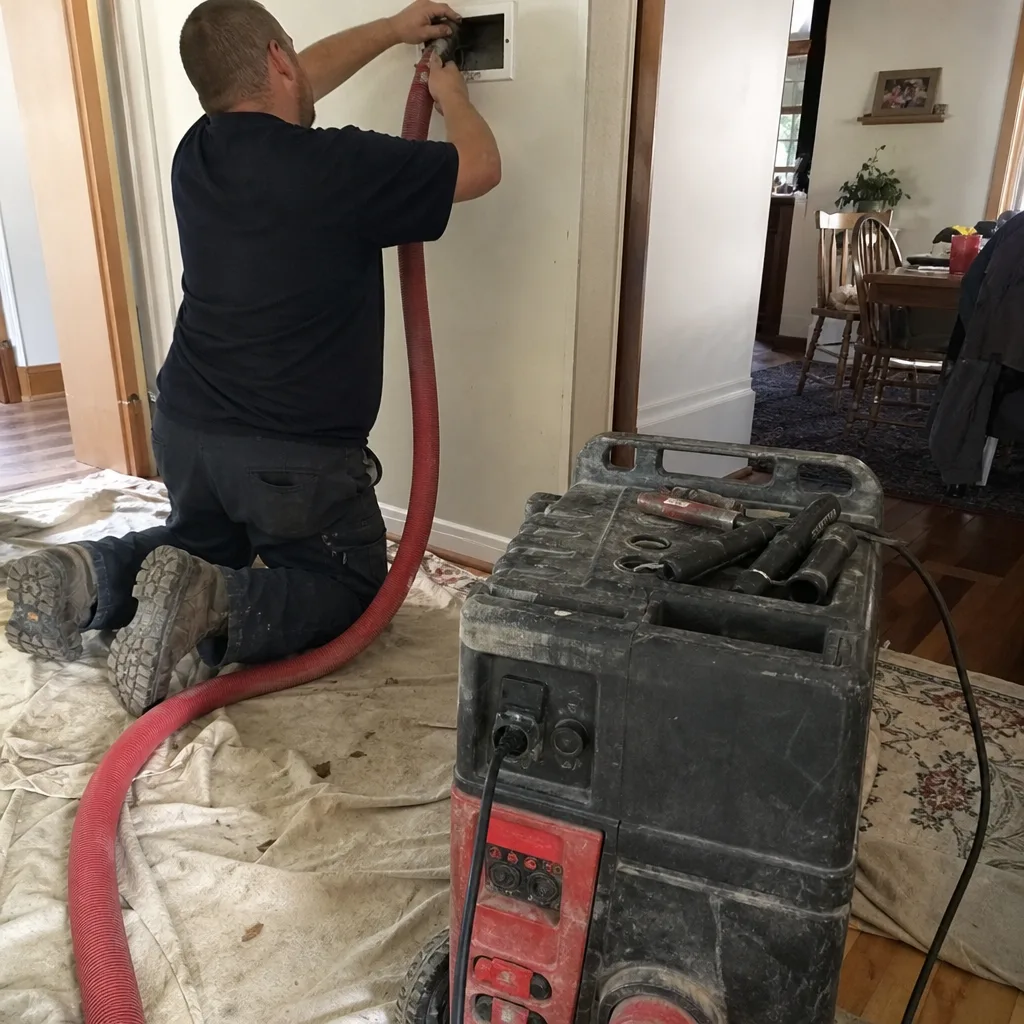
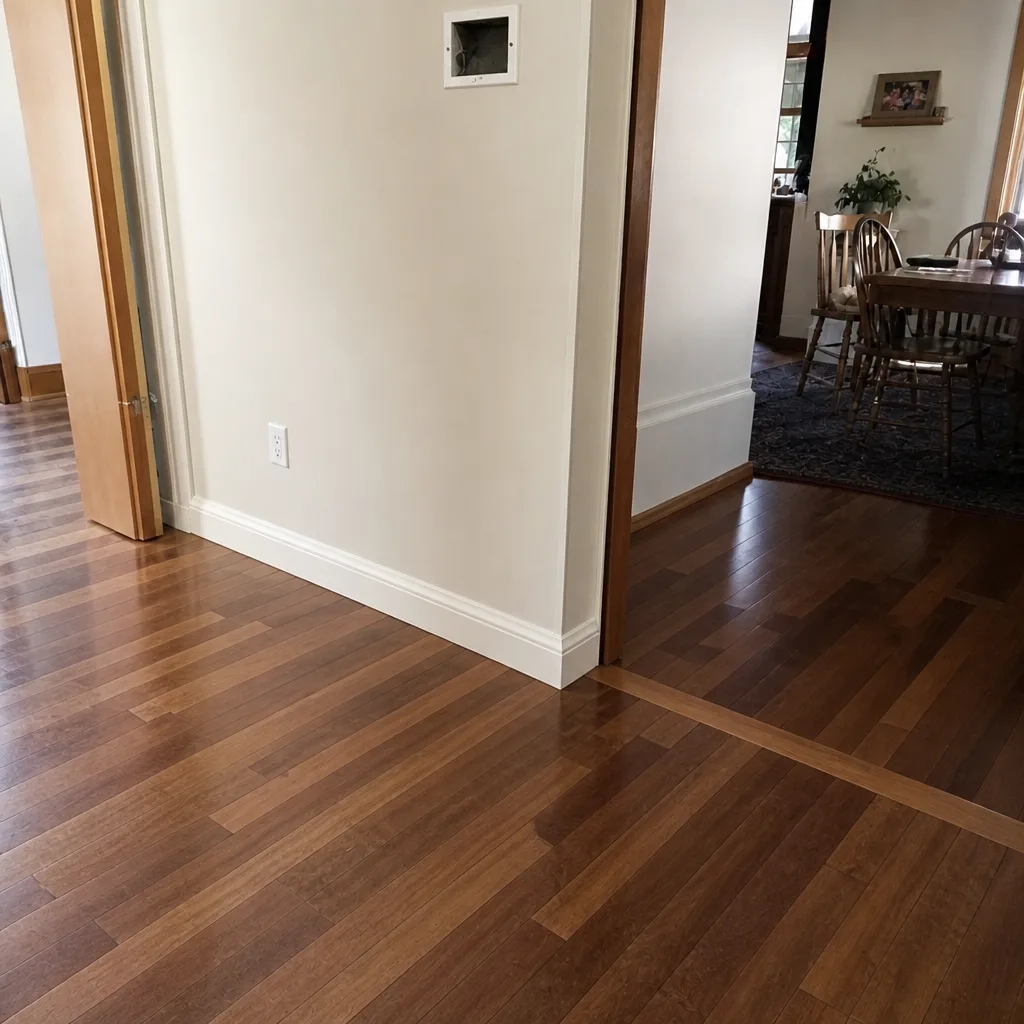
- Inspect the system and document what’s found, including photographs of the ducts themselves.
- Clean the system using source removal, with containment in place.
- Repair disconnected, crushed, or deteriorated sections before they’re closed back up.
- Show you the result and confirm the system is sealed and balanced.
That full-scope approach is one of the things we do differently. We don’t just clean; we repair. If you’re comparing quotes from two or three companies, ask each one what they’ll do when they find a broken run. The answer tells you whether you’re hiring a vacuum or a duct specialist.
What a Proper Duct Cleaning Visit Looks Like
Knowing the sequence of a real visit makes it much easier to spot a shortcut. Here’s what a proper whole-home job involves, whichever company you hire.
- Walk-through and system assessment. The crew confirms the number of registers and returns, checks the air handler, and notes any obvious damage before equipment comes in.
- Containment setup. Negative pressure containment goes up at the air handler and at open registers so loosened debris is captured, not pushed into the living space.
- Source removal. Each run is cleaned with a purpose-built machine and agitation tools, working from the trunk out to the registers and back.
- Air handler and coil area. The blower compartment and any accessible components are cleaned, since debris collects there too.
- Repair, if needed. Any disconnected or damaged sections are corrected before the system is closed back up.
- Final inspection and photos. A before-and-after record of the ducts themselves, shown to you, is the proof the work happened.
- Cleanup. Surfaces and flooring protected during the work are cleaned and restored.
If a crew shows up with a shop vacuum and a hose, skips containment, and is out in under an hour, you now know what to compare it against. It’s also fine to ask about equipment brand names during the walk-through: systems from Rotobrush and Nikro, and containment from Abatement Technologies, are a reasonable proxy for a contractor who takes the work seriously.
Cheap Quotes and What They Usually Mean
A price far below the rest of the market usually reflects a scope far below the rest of the market. The most common version of this in duct cleaning is per-vent pricing: a low number for “unlimited vents” that balloons once the technician is on site and reclassifies registers, adds a main trunk charge, or recommends add-on treatments. The other common version is a whole-home price that covers a fast vacuum pass with no containment, no agitation, and no repair capability.
Here’s how to compare quotes honestly:
- Insist on a flat price for the whole system. One price, agreed before work starts, with no per-register or per-vent line items added later.
- Ask what’s included. Containment, air handler cleaning, and a before-and-after record of your own ducts should be in the scope, not extras.
- Ask what happens if damage is found. A quote that only covers cleaning tells you the company will stop at the first broken run.
- Get it in writing. The written estimate is what sets the final price. Anything not in it shouldn’t show up on the invoice.
We quote one flat price per system and agree it before work begins, and we show you before-and-after photos of your own ducts so you can see what you paid for.
The Dryer Vent Question Every Buyer Forgets
Your dryer vent is part of the ventilation system too, and it’s the one most homeowners never think to ask about during a duct cleaning call. A clogged dryer vent is a genuine fire hazard and also stretches drying times, wastes energy, and puts wear on the appliance. Many duct cleaning companies don’t service dryer vents at all, so the question is worth adding to your list when you’re comparing brands.
Ask whether the company offers dryer vent cleaning alongside duct work, and whether they inspect the full run including the exterior termination. A proper dryer vent cleaning clears lint from the duct, checks for crushed or disconnected sections (common in Milwaukee homes where dryers have been moved or replaced over the decades), and confirms the exterior flap opens and closes correctly. If a company can handle ducts and dryer vents as separate, well-scoped jobs, you’re dealing with a full-ventilation specialist rather than a single-task vendor.
A Numbered Checklist of Questions to Ask Before Booking
Before you confirm an appointment with any Milwaukee duct cleaning company, put these questions to them. A confident, technically capable contractor answers quickly. A hesitant one gives you a reason to keep looking.
- What machine will you use, and how much airflow does it pull?
- How will you contain dust during the job?
- Will a certified technician be on site, or only helpers?
- Do you offer repair for disconnected or damaged ductwork?
- Is the price flat for the whole system, or is it per vent?
- Will I see before-and-after photos of my own ducts?
- Do you service dryer vents as well?
- What’s your written estimate cover, and what might change it?
Write the answers down as you get them. Comparing three companies on paper is far more reliable than comparing them on memory, and the answers will show you the differences in scope that prices usually hide.
Common Mistakes to Avoid
- Hiring on price alone. A quote that’s a fraction of the others almost always reflects a fraction of the scope, and the difference usually surfaces once the technician is on site. Compare what’s included, not just what’s charged.
- Not asking about equipment. A contractor who can’t name their machine or explain how they contain dust is a contractor relying on marketing, not capability. Ask before you book.
- Accepting per-vent pricing. In Milwaukee’s older, irregular homes, per-vent formulas get complicated fast. A flat price per system is easier to hold a company to.
- Skipping the repair question. Older duct systems in this city frequently have disconnected or crushed runs. Cleaning without inspecting for damage just circulates the same problem.
- Forgetting the dryer vent. A clogged dryer vent is a real safety concern and an easy add-on to a duct visit if the company offers it. Ask.
- Not seeing proof. A job without a before-and-after record of your own ducts is hard to verify. Ask for photos; a serious contractor already takes them.
- Trusting a five-star review with no detail. “Very professional, would recommend” describes a mood, not a service. Look for reviews that describe what was actually done.
See the difference
 Before
 After
 Before
 After
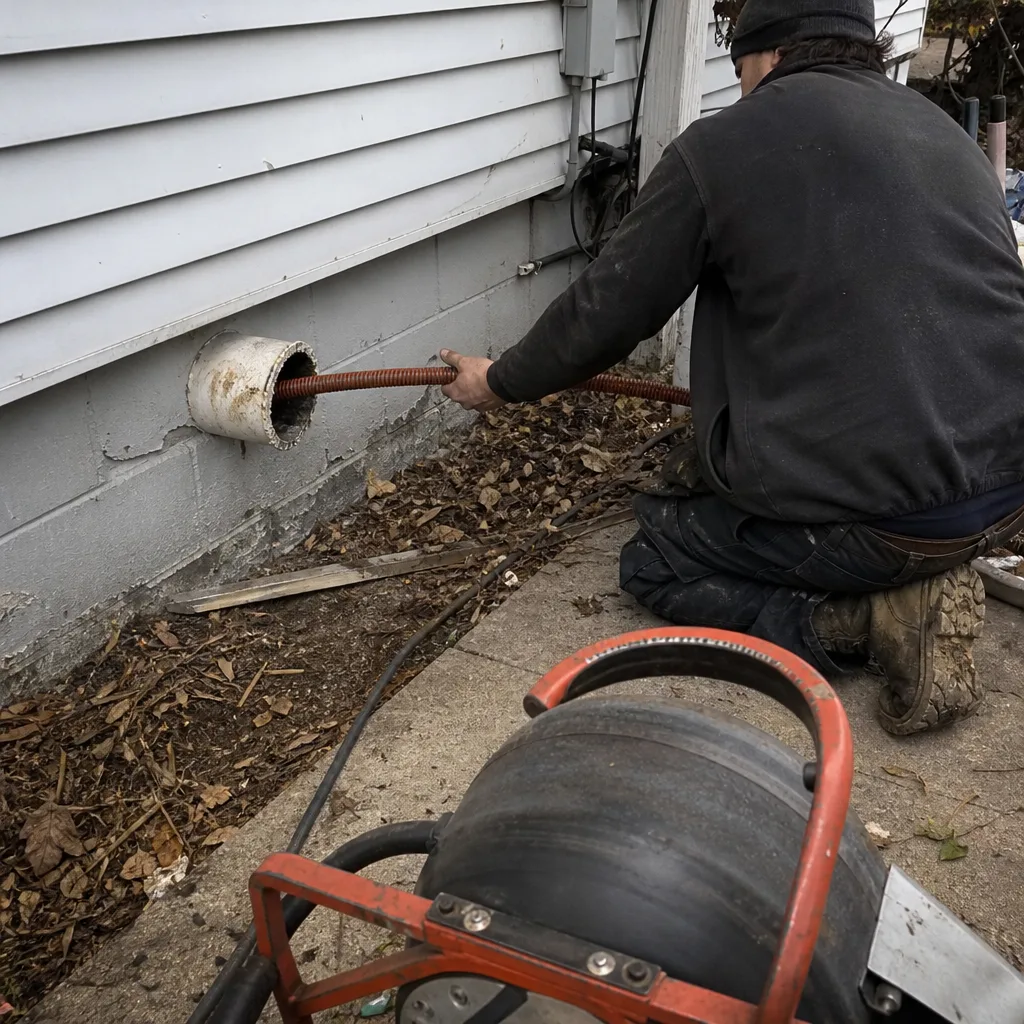 Before
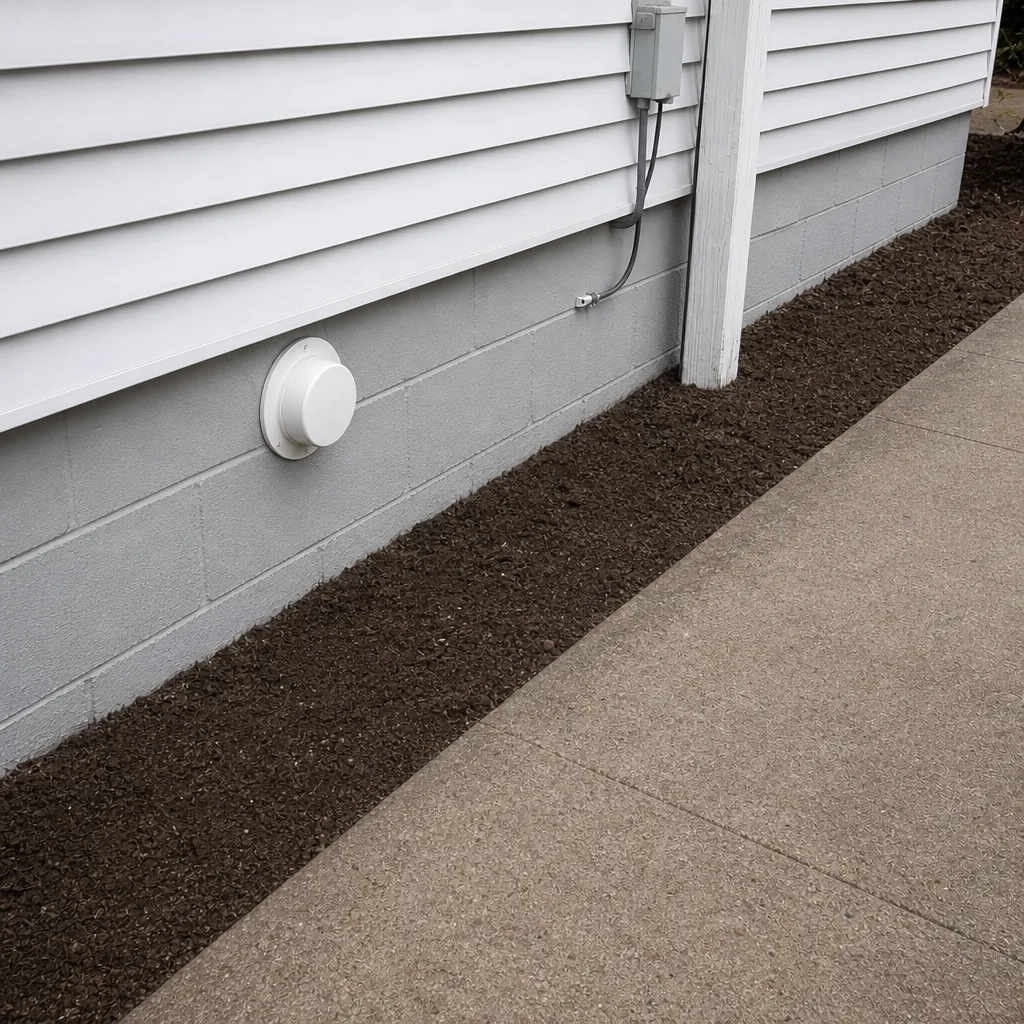 After
When to Call a Professional
Not every home needs duct cleaning on a schedule, but specific situations call for a trained professional. If you’ve moved into a Milwaukee home and don’t know the duct history, if you’ve just finished a remodel that generated a lot of dust, if you’re seeing visible dust blow out of registers when the system kicks on, if your airflow is uneven room to room, or if anyone in the home has been dealing with persistent allergy-like symptoms indoors, get an inspection. Damage found during a walk-through, like a disconnected run or a crushed flex duct, is exactly the kind of problem that needs a repair-capable contractor rather than a vacuum. If you’re unsure, a professional can tell you what’s actually needed and what isn’t. Whitman Air Duct Cleaning offers free estimates in Milwaukee; call (866) 729-3894.
Frequently Asked Questions
Choose the company that can name its equipment, explain how it contains dust, offer repair for damaged ducts, and quote one flat price for the whole system in writing. Certification and reviews are useful filters, but the technical conversation before you book tells you the most. If the person on the phone can’t answer the equipment questions clearly, keep looking.
Ask what machine they’ll use, how they contain dust, whether a certified technician will be on site, whether they offer duct repair, and whether the price is flat per system or per vent. Add the dryer vent question and a request for before-and-after photos. Call (866) 729-3894 for a free estimate and we’ll walk you through exactly what our crews bring.
NADCA certification means a technician has been trained and tested on the association’s assessment, cleaning, and restoration standards. It sets a knowledge floor for the individual, but it does not guarantee the same level of thoroughness on every job or confirm that a certified tech will be at your home. Ask who’s actually arriving.
Cheaper quotes typically cover less: a fast vacuum pass with no containment, no agitation, and no repair capability. Per-vent pricing is the other common version, where the price grows once the technician is on site. A flat price per system, agreed before work starts, is the honest way to compare.
Cleaning is enough if the duct system is intact. If runs are disconnected, crushed, or deteriorated, cleaning alone won’t fix the problems you’re experiencing, because the system is still pulling air from the wrong places. A contractor who offers both can tell you which situation you’re in.
The climate matters less than the home and what’s happening inside it. Milwaukee homes that run the furnace for long stretches of the year, have pets, have had recent remodels, or deal with moisture in basements tend to accumulate more debris. The more useful question is whether the system is intact and balanced; get an inspection and let the findings guide the schedule.
The Bottom Line
The right air duct cleaning brand in Milwaukee is the one that answers technical questions before you ask, brings purpose-built equipment and containment to the job, can repair what’s broken, and quotes a flat price per system that holds. Certification, reviews, and local experience with older housing stock are all useful filters, but they don’t replace a direct conversation about the work itself. Ask about equipment, ask about repair, ask for proof when the job is done. For a free estimate and straight answers about what your ducts actually need, visit Whitman Air Duct Cleaning or call (866) 729-3894. We answer 24/7. Fast dispatch from 7am to 7pm, Sunday through Friday.
Written by the team at Whitman Air Duct Cleaning.