
Last updated November 15, 2026
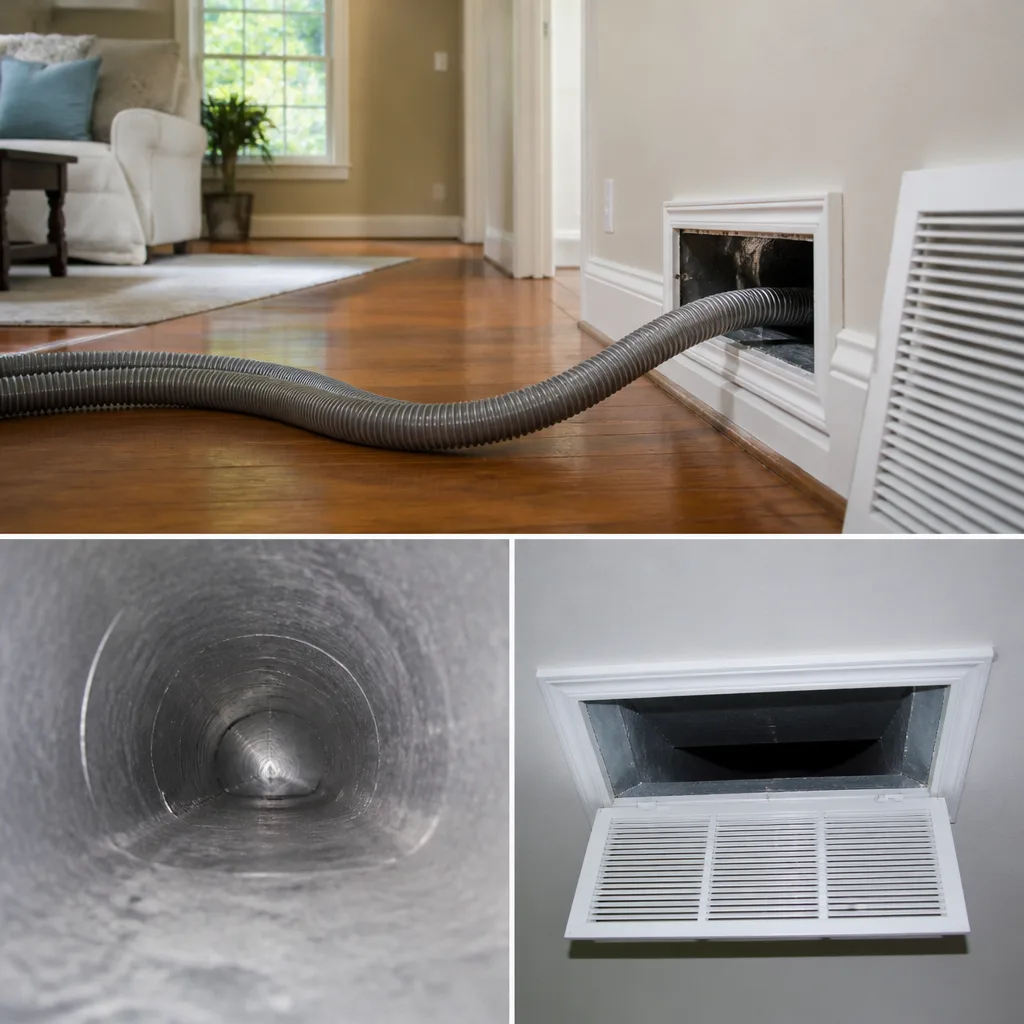 Whole-home duct cleaning
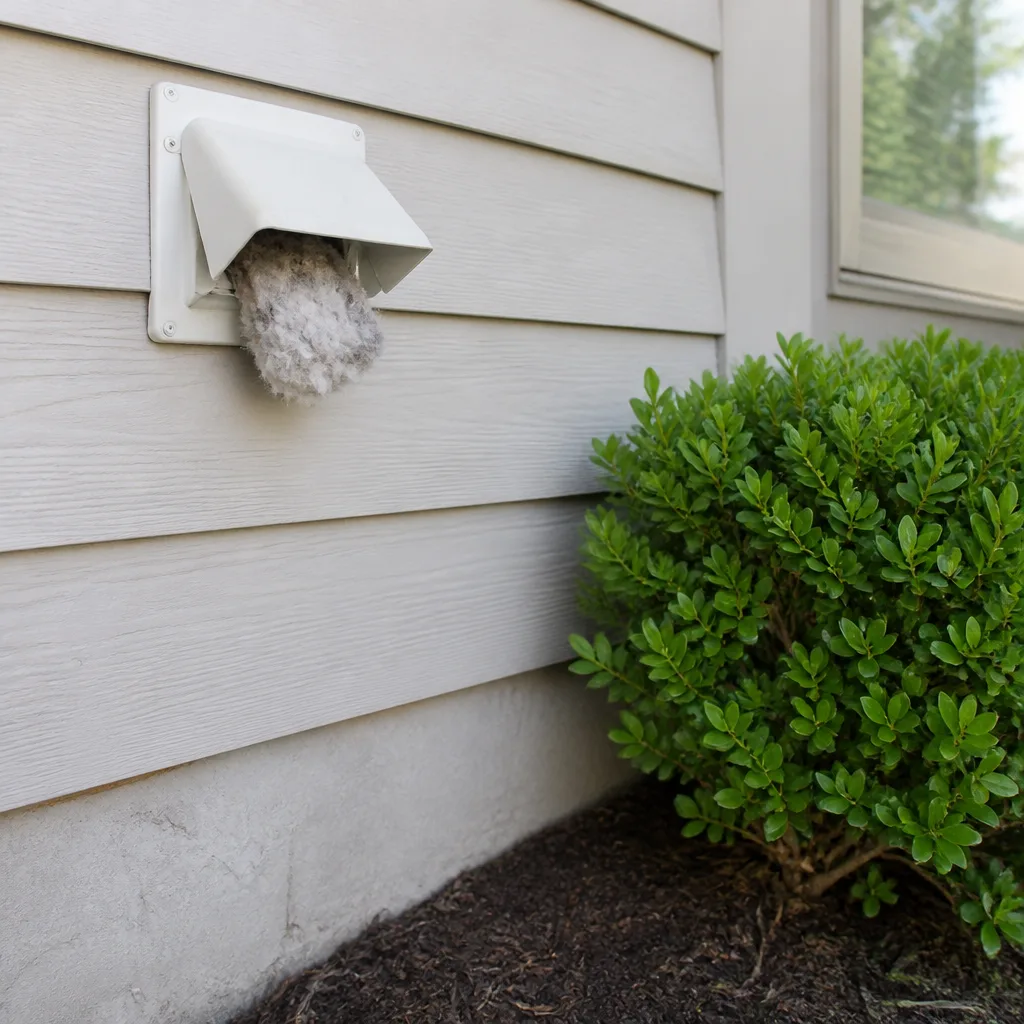 Dryer vent cleaning
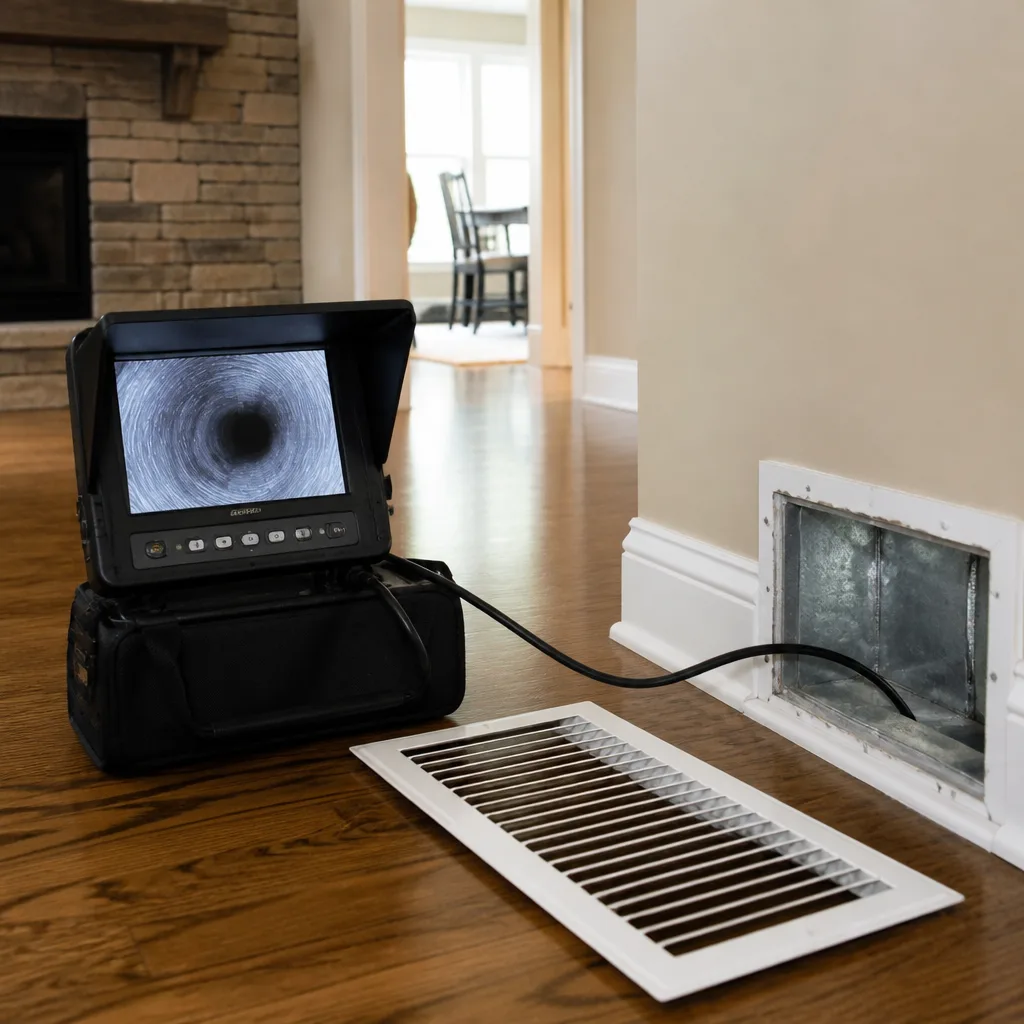 Camera inspection
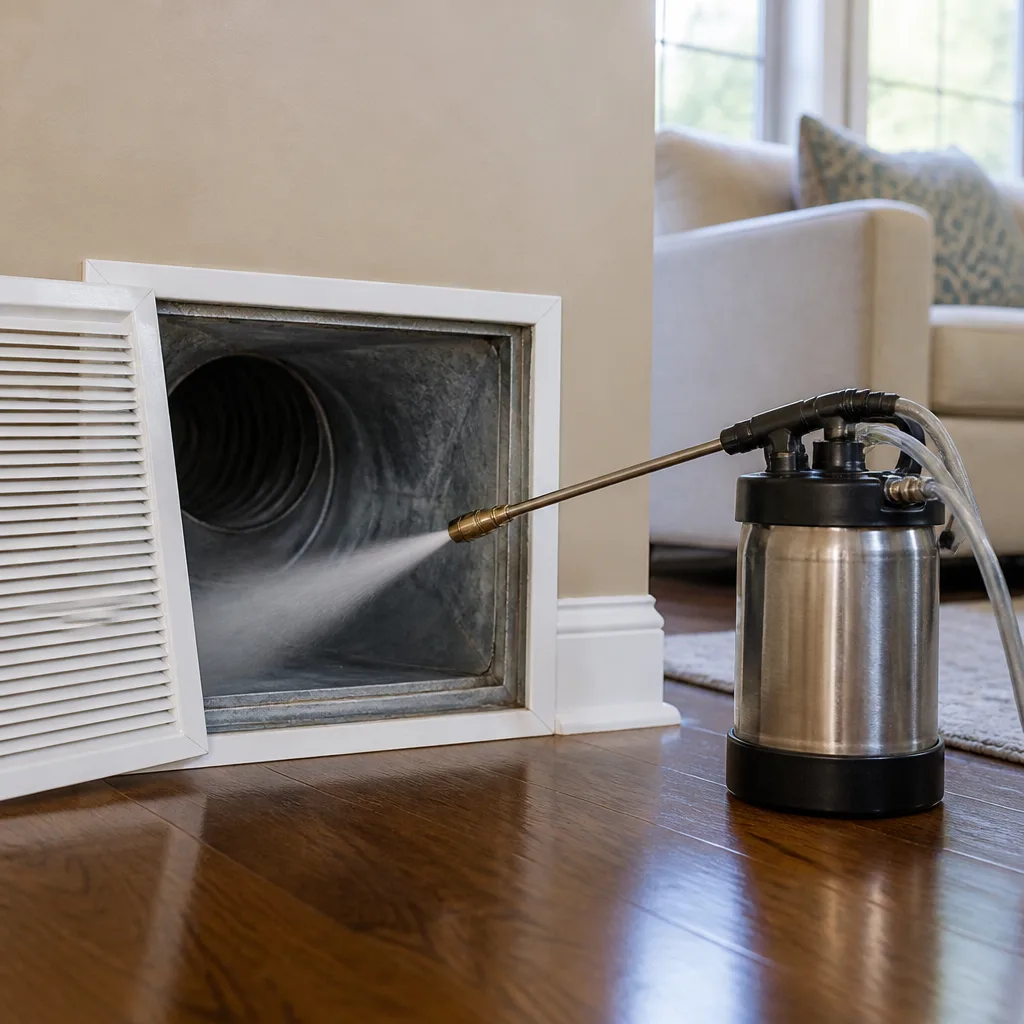 Sanitizing & deodorizing
Whole-system duct and dryer vent check with before-and-after photos - you see exactly what came out of your vents
That "$99 whole-house special" is a bait ad - the real number appears once they are in your hallway, or the "clean" is a shop-vac at the register. We photograph the inside of your ducts before and after instead.
DIY vs Professional Air Duct Cleaning: The Milwaukee Homeowner’s Decision Guide
A forty-dollar dryer vent brush and a shop vac can clean a dryer vent. They cannot clean a duct system. The physics are different, and almost no DIY guide explains why the gap exists. Most homeowners frame this as a cost question, but it’s really an equipment question: consumer tools physically cannot replicate what a professional negative-pressure system does. This guide explains, in plain technical terms, where DIY stops working and why, what you can legitimately handle yourself, and how to have an honest conversation with a Milwaukee contractor about what justifies professional pricing.
Quick Answer
DIY air duct cleaning can handle surface dust at accessible vents and registers, but it cannot match professional work on a whole duct system. Professional cleaning uses truck-mounted or high-volume equipment with negative-pressure containment, which consumer tools don’t have. For most Milwaukee homes with forced-air systems, the deciding factor isn’t cost. It’s whether the contamination you’re removing can be captured and contained, or whether it gets redistributed through the house.
Styles & brands we work with
- Whole-home duct cleaning
- Dryer vent cleaning
- Camera inspection
- Sanitizing & deodorizing
Table of Contents
- The Real Difference: Equipment Capability, Not Cost
- How Negative Pressure Containment Works
- What You Can Legitimately Do Yourself
- What Rental Equipment Actually Delivers
- When DIY Makes Contamination Worse
- How Milwaukee’s Climate Affects Duct Contamination
- Questions to Ask Before You Hire Anyone
- What Professional Cleaning Costs and Why
The Real Difference: Equipment Capability, Not Cost
The DIY versus professional question usually gets framed as a budget choice. That framing is misleading. A homeowner with a shop vac and a vent brush has about the same tooling power as a professional who shows up with the wrong equipment. The distinction that actually matters is whether the tools can create negative pressure and maintain it across an entire duct run.
A typical residential shop vac moves air at a modest cubic-feet-per-minute rate and holds a relatively small, localized vacuum. It can pull loose dust from a register boot you can reach. It cannot pull debris from a twenty-foot trunk line buried above a finished ceiling, and it can’t hold a whole system under negative pressure while brushes agitate the walls of the ducts. Professional equipment is purpose-built for that job. We use Rotobrush and Nikro duct cleaning systems, which are made specifically for residential duct work, along with Abatement Technologies containment equipment on jobs where the contamination load warrants it.
The equipment gap isn’t an opinion. It’s a measurable difference in three areas:
- Airflow volume. Professional units move substantially more air per minute than consumer vacuums, which is what pulls debris free from long horizontal runs.
- Reach. Flexible rotary brush systems extend through the full length of trunk and branch lines. A shop vac hose does not.
- Containment. Negative pressure equipment seals the system during cleaning so dislodged contamination goes out, not into the living room.
If a Milwaukee contractor shows up without a containment setup or a rotary brush system, they aren’t doing the same work. Ask what equipment they’re bringing before you book. That’s a fair question, and a confident contractor will answer it plainly.
How Negative Pressure Containment Works
Negative pressure containment is the step that separates professional cleaning from a weekend project, and it’s the step almost no DIY guide explains. Here’s what it does.
When a duct system is cleaned, decades of accumulated dust, debris, pet hair, and sometimes mold spores get dislodged from the duct walls. If that material isn’t captured, it doesn’t disappear. It redistributes. Negative pressure containment solves that by holding the entire duct system at a pressure lower than the surrounding rooms, so air flows inward through the ducts and out through the cleaning equipment, not into the house.
The process typically works like this:
- The technician connects a high-volume vacuum unit to the main trunk, usually through a temporary access opening.
- Supply and return registers are sealed or staged to prevent air from escaping into rooms during agitation.
- Rotary brushes run through each branch and trunk line, loosening debris from the duct walls.
- The vacuum pulls dislodged material out of the system and into a HEPA-filtered collection unit.
- The technician confirms airflow and reassembles the system with all openings properly sealed.
Containment equipment from brands like Abatement Technologies is used in remediation work because it meets a higher standard than a standard vacuum. Using that level of care in a residential duct system means the debris you’re paying to remove actually leaves the house. Without containment, you’re just moving dust around.
What You Can Legitimately Do Yourself
This isn’t a guide that tells you every DIY attempt is a mistake. Some tasks are genuinely appropriate for a homeowner, and doing them keeps a system in better shape between professional cleanings. Here’s where DIY earns its keep:
- Register and grate cleaning. Remove supply and return registers and wash them in a sink. This surface dust accumulates quickly and has nothing to do with what’s inside the ducts.
- Filter changes. Replace the HVAC filter on the schedule the manufacturer specifies. A clogged filter strains the system and pushes more dust back into the return. This is the single highest-value maintenance task a Milwaukee homeowner can do.
- Visual inspection at accessible boots. Shine a flashlight into any duct opening you can safely reach. You’re looking for visible dust buildup, signs of moisture, or pest activity. If you see any of these, that’s your cue to call a professional.
- Return air grille dusting. Vacuum the face of the return air grille regularly. It’s the first thing air passes through and it catches a lot of debris.
What a homeowner shouldn’t do is try to clean beyond the register boot with consumer tools. The moment you’re pushing a brush or vac hose into a duct run, you’re dislodging material with no way to capture it. That’s not a cleaning. That’s redistribution.
For a full scope of what proper air duct cleaning includes, our service breakdown is worth reading before you decide.
What Rental Equipment Actually Delivers
Some Milwaukee hardware stores and rental centers carry larger vacuums and flexible brushes. Homeowners sometimes assume these bridge the gap between a shop vac and professional work. They don’t. Here’s an honest comparison.
Rental equipment typically offers higher airflow than a residential vacuum, and that helps. But it usually lacks three things: extended reach, sealed containment, and the ability to maintain negative pressure across a whole system. A rental unit with a fifteen-foot hose and one brush may reach a single branch line. A residential system often has six or more branches plus a trunk line running the length of the house. The equipment simply doesn’t cover it.
- Airflow volume: Rental units are closer to consumer machines than to truck-mounted systems, and airflow drops as filters load up during the job.
- Reach: Flexible brushes in rental kits are usually shorter and less rigid than professional rotary systems.
- Containment: Rental units don’t include negative-pressure sealing kits for a full residential system, so any debris you dislodge has nowhere to go but into the home.
If a duct run has real contamination, rental equipment may make the problem more visible without solving it. That’s the opposite of what you want.
When DIY Makes Contamination Worse
There are specific situations where trying to clean a duct system yourself will make things measurably worse. These are worth knowing:
- Mold inside the ductwork. Mold spores are fine enough to aerosolize easily. Agitating them with a brush or vacuum without containment spreads them through the living space. Mold concerns are a job for someone with remediation-level equipment.
- Pest activity or nesting material. Rodent droppings and nesting debris carry real health risks when disturbed. Without HEPA containment, disturbing them does more harm than leaving them alone.
- Damaged or deteriorating duct liner. Many older duct systems have internal insulation or liner that becomes fragile as it ages. Abrasive DIY brushes can tear it, sending fiberglass particles into the airflow. In our experience in Milwaukee’s older housing stock, this is more common than homeowners expect.
- Long trunk lines above finished ceilings. You can’t safely reach them, and pushing a brush blindly into a concealed duct risks disconnecting joints that were never meant to be disturbed.
- Systems already showing airflow problems. If the problem is a blockage or disconnected duct, cleaning aggravates it. That’s a repair job, not a cleaning job.
If you see any of those five signs, stop and get a professional assessment. The cost of a mistake here runs higher than the cost of professional work. For system damage specifically, professional Whitman Air Duct Cleaning includes repair as part of its scope, which most duct cleaning companies don’t offer.
How Milwaukee’s Climate Affects Duct Contamination
Milwaukee’s weather works against duct systems in ways that don’t apply in drier parts of the country. The long, cold winters mean the furnace runs harder and circulates air through the house more often. That’s good for comfort, but it means more dust cycles through the filters and ducts in a given heating season.
Milwaukee summers add humidity, sometimes a lot of it. When the air conditioning runs, condensation tends to form on cold surfaces in the system. If any of that moisture reaches a dust layer inside the duct, you have the conditions for biological growth. That’s why summer is often when homeowners notice musty smells coming from vents. Once mold takes hold in a duct, the fix is remediation-grade cleaning, not a brush and a shop vac.
Older homes in neighborhoods like Bay View, Riverwest, and the East Side often have original duct configurations with more complicated runs and less accessible branches than newer construction. That makes DIY work harder in a way that’s specifically local. Newer suburban homes outside central Milwaukee may have cleaner, simpler systems that are easier to inspect. Either way, the deciding factor for cleaning is contamination load, not duct age.
Our team serves the whole Milwaukee area, and we see both patterns regularly. A technician can tell you in minutes whether a system has a light dust layer or a contamination problem worth professional attention.
Questions to Ask Before You Hire Anyone
The best defense against an underqualified contractor is asking specific questions before you book. A confident company will answer them without hesitation. Here are the questions worth asking:
- What equipment are you bringing? The answer should include a rotary brush system and a HEPA or negative-pressure unit. If it doesn’t, the job will not be a full duct system cleaning.
- How do you contain debris during cleaning? You want to hear about sealing registers and using negative pressure. “We have a big vacuum” is not the answer.
- Do you inspect the system first? A proper assessment shows what’s actually in the ducts and identifies any damage or liner issues before cleaning starts.
- Do you do repairs? If the inspection finds a disconnected duct or damaged joint, can they fix it, or will you be calling a second company? This is where we stand apart. We don’t just clean. We repair.
- Is the price per system or per vent? Per-vent pricing makes quotes impossible to compare. A flat price per system is fair and comparable.
- Will I get before-and-after photos? Ask directly. Legitimate work stands up to photographic evidence.
If a contractor hesitates or gives vague answers to any of these, that’s useful information. Call someone else.
What Professional Cleaning Costs and Why
Professional duct cleaning is priced per system, not per vent, because the work required for a whole system is what justifies the cost. A technician’s labor, the equipment, the containment, the inspection, and the cleanup are all part of the estimate. That’s why the range for a typical Milwaukee home is wider than a DIYer expects.
As with any home service, the written estimate sets the final price, and it’s worth asking for it in writing before work begins. Factors that affect the estimate include:
- The number of supply and return branches in the system.
- Access conditions, especially in older homes where ducts run behind finished walls or above plaster ceilings.
- Whether any repair work is needed alongside the cleaning.
- Whether dryer vent cleaning is part of the same visit.
Dryer vent cleaning is worth its own mention. Your dryer vent is part of the system too, and it’s the one duct that handles lint on a scale most homeowners underestimate. A clogged dryer vent doesn’t just hurt efficiency, it’s a fire risk. Milwaukee homes with long vent runs benefit from periodic professional dryer vent cleaning beyond anything DIY brushing can do.
Common Mistakes to Avoid
- Assuming a low quote is always a bargain. The cheapest quote usually reflects equipment that can’t create containment. That means debris that should leave the house gets pulled into the living space instead. If the price is suspiciously low, ask what they’re bringing.
- Brushing ducts with consumer tools. A shop vac and a vent brush dislodge more than they remove. What you pull free has to go somewhere, and in a Milwaukee home without containment, that “somewhere” is your living room.
- Skipping filter changes. A dirty filter is the number-one contributor to system dust. Homeowners who never change filters often end up paying for a cleaning that would have been unnecessary with proper filter maintenance. This is the easiest mistake to avoid.
- Hiring a per-vent priced company. Per-vent pricing rarely matches what you actually get. Whole-system pricing based on a written estimate is fairer and easier to compare across companies.
- Ignoring musty smells from vents. Musty air coming from supply registers is a moisture or biological growth signal. That’s not a cleaning job for consumer tools, and treating it as one makes it worse.
- Letting a system with visible liner damage go unaddressed. Damaged internal duct liner can shed fibers into the airstream. Cleaning without checking for that damage first is a risk you shouldn’t take.
- Forgetting the dryer vent. Homeowners clean the HVAC ducts and ignore the dryer vent entirely. It’s the duct with the highest fire risk in the house and deserves the same professional attention.
See the difference
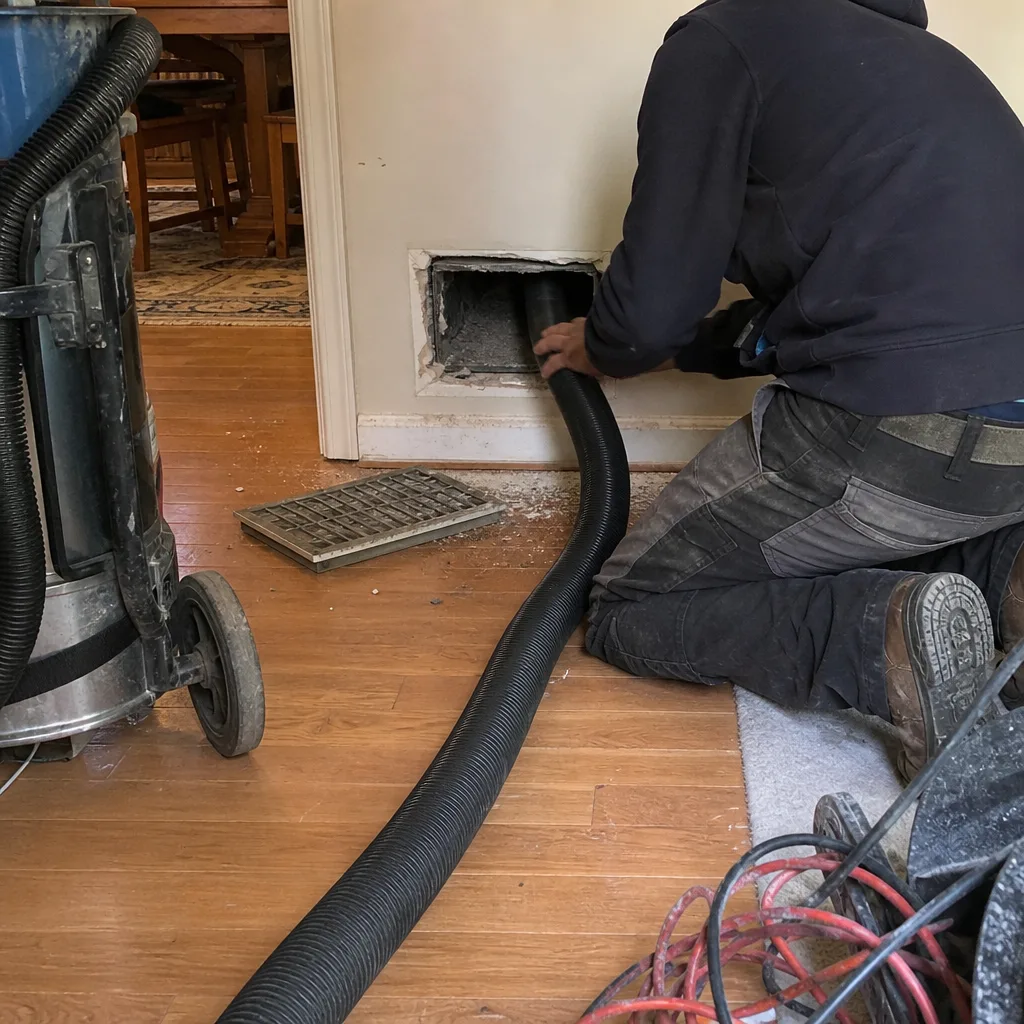 Before
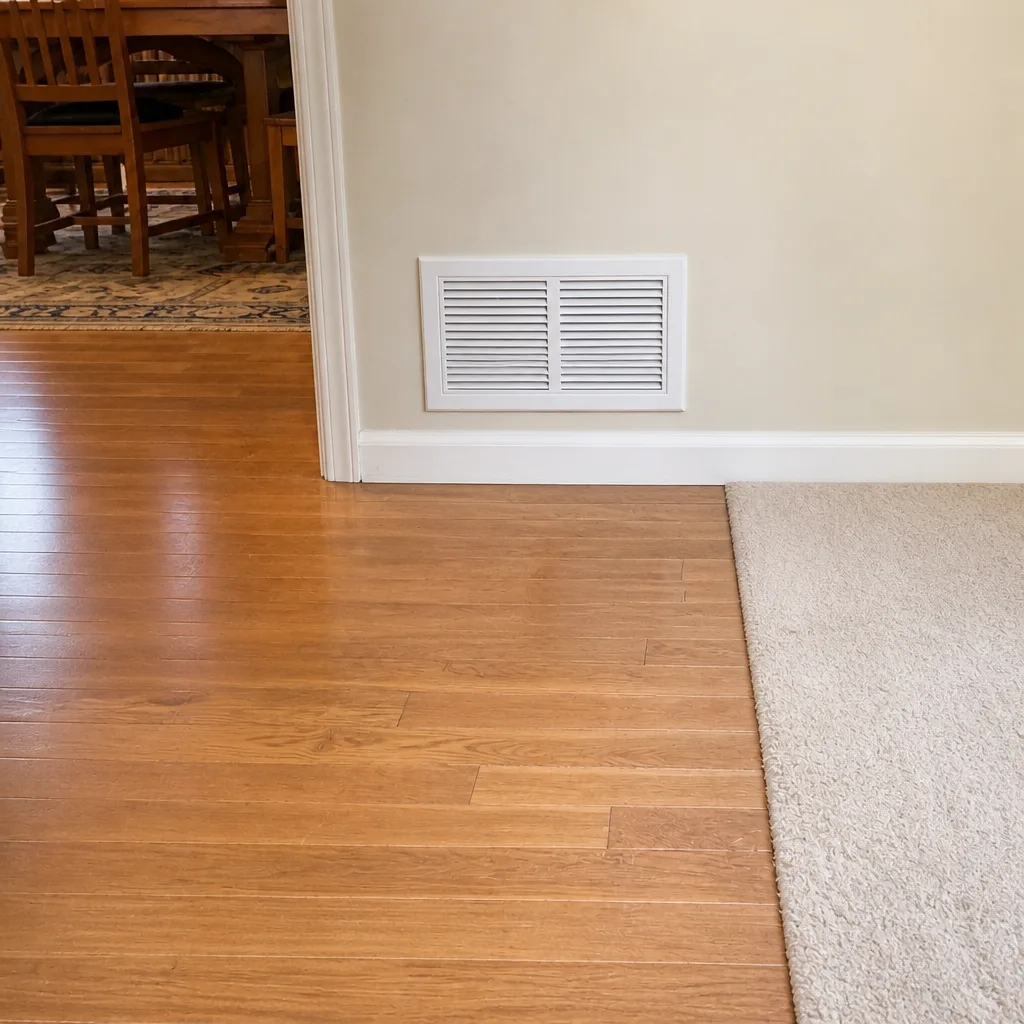 After
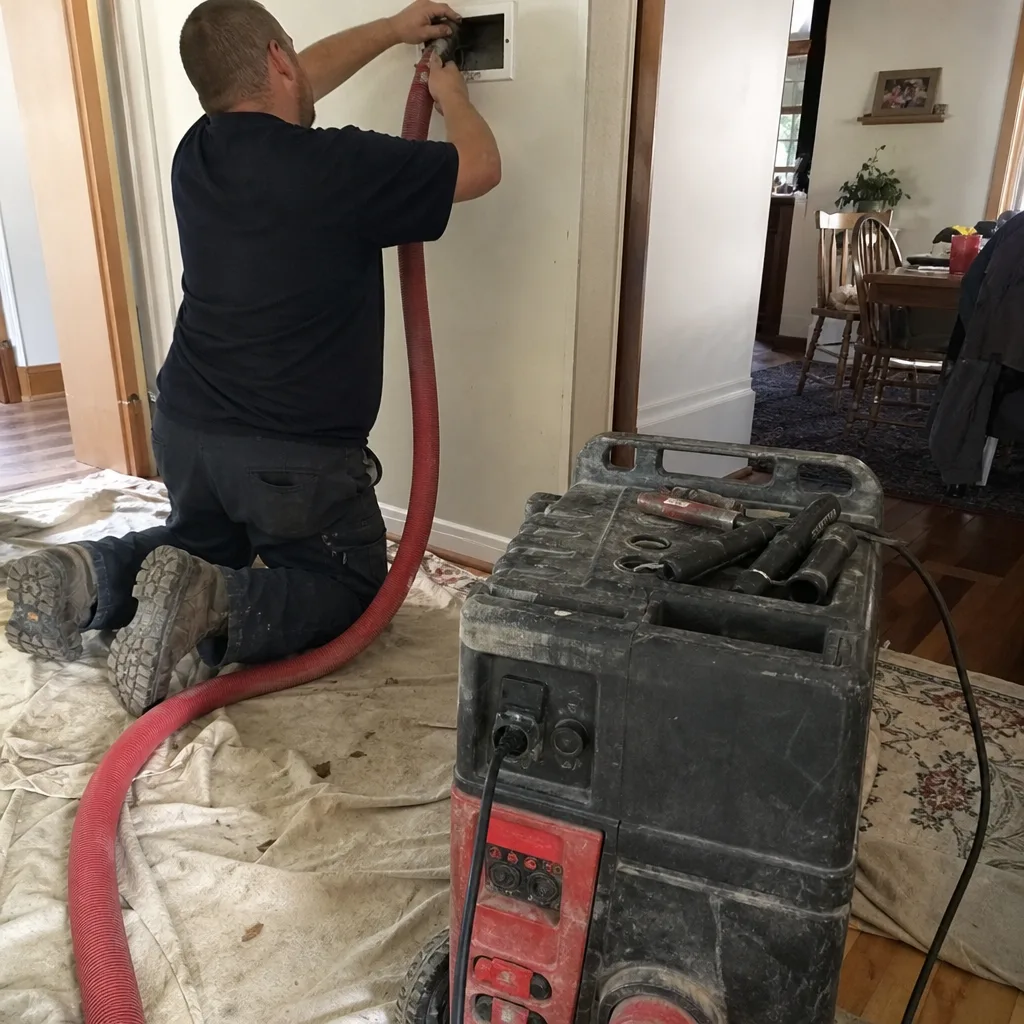 Before
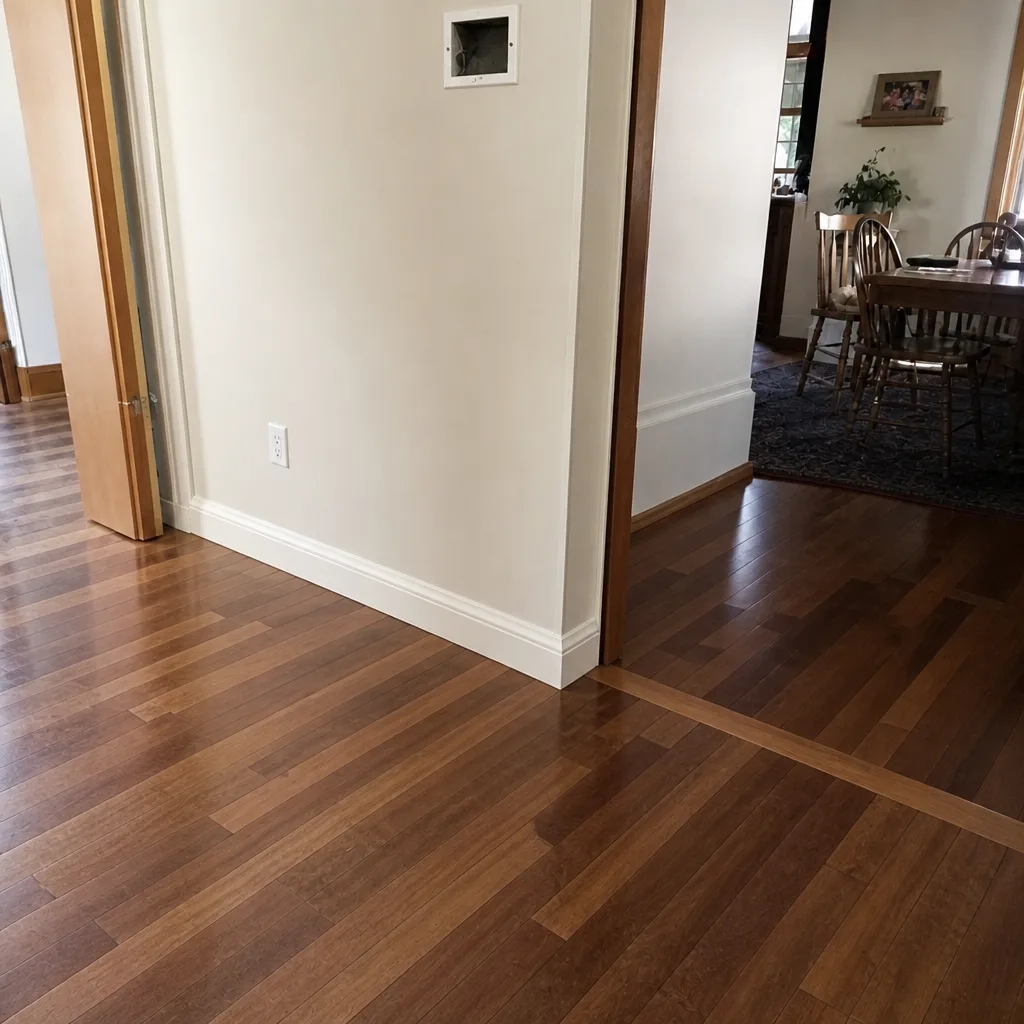 After
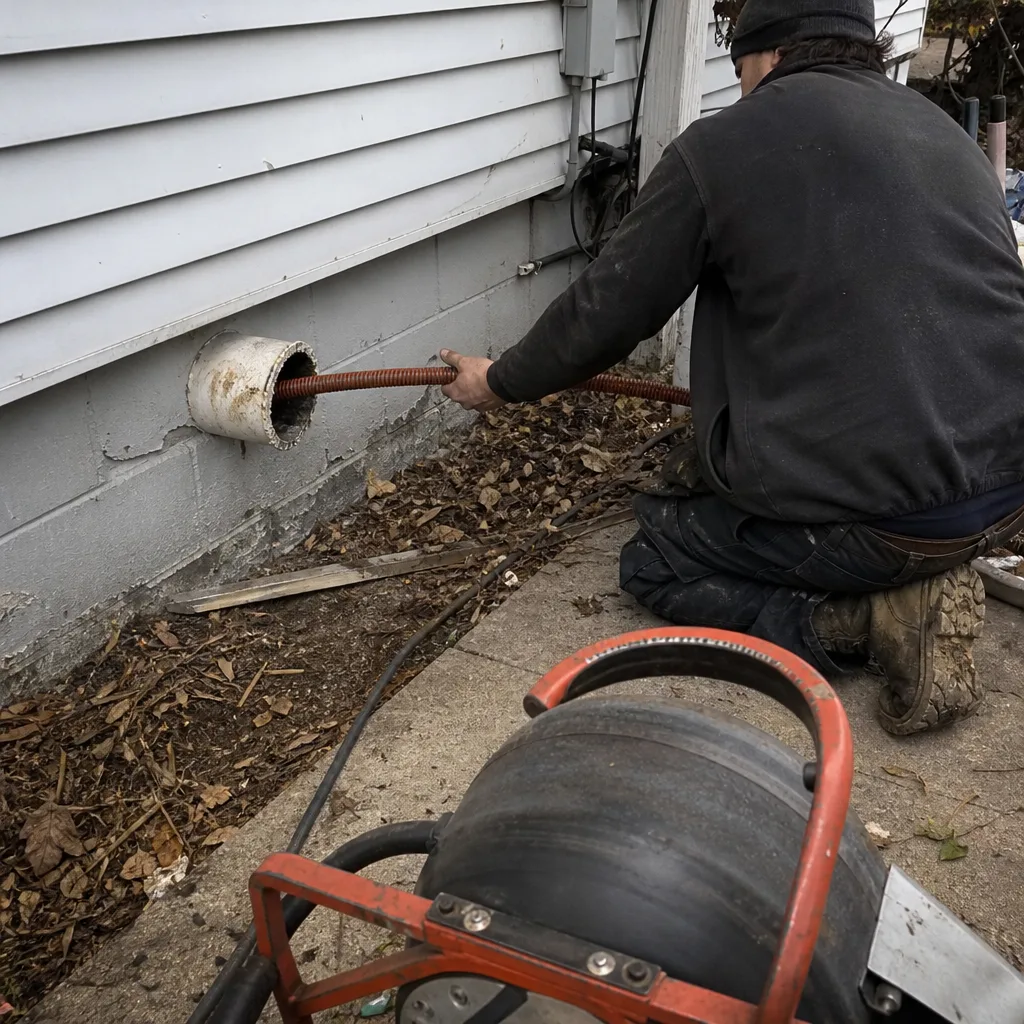 Before
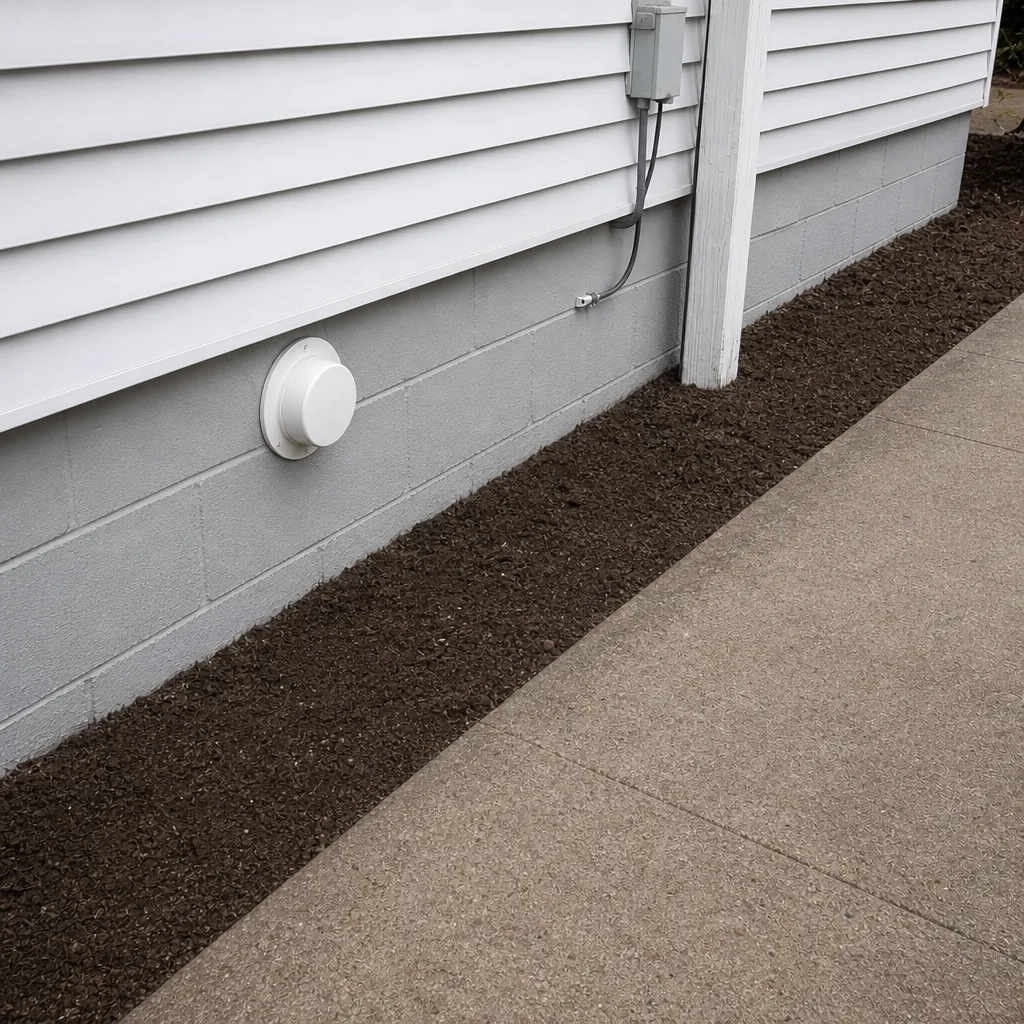 After
When to Call a Professional
Call a professional when you see mold, pest activity, or deteriorated duct liner inside the system. Call when the ducts show heavy visible buildup beyond the register boots. Call when airflow has dropped noticeably across multiple vents, which points to an obstruction or a disconnected duct. Call when your dryer is taking longer to dry clothes than it used to. And call when you want a whole-system clean done right, with containment and before-and-after photos, so you know what was actually removed. Whitman Air Duct Cleaning offers free estimates in Milwaukee. Call (866) 729-3894. We answer 24/7, with fast dispatch from 7am to 7pm, Sunday through Friday.
Frequently Asked Questions
Professional air duct cleaning in Milwaukee is typically priced per system, not per vent, and the written estimate sets the final price. The biggest factor is the size and complexity of your duct system, plus any repair work that needs to happen alongside the cleaning. Call (866) 729-3894 for an exact quote. Estimates are free.
No, a shop vac is not an effective tool for whole-system duct cleaning. It can handle dust at accessible registers, but it lacks the airflow, reach, and negative-pressure containment needed to pull debris from trunk lines and branch runs. Attempting it usually redistributes contamination into the home rather than removing it.
Low quotes usually reflect lower equipment capability. A company that shows up without rotary brush systems or containment gear can offer a low price because they aren’t doing the full job. The cleaning looks finished, but dislodged debris has gone into the living space instead of out of the system. Ask what equipment is being brought before you book. Call (866) 729-3894 to compare and get an honest estimate.
Ask for before-and-after photos of your own system. A legitimate company can show you what was removed and how the system looked before and after cleaning. If the company can’t produce photos, you don’t have real evidence of the work.
There’s no single right interval for every home. Factors like pets, occupants with allergies, recent renovation, and visible contamination drive the decision more than a set schedule. In our experience, most Milwaukee homes do fine with professional cleaning every few years, but homes with pets or allergy concerns may need it more often. Call (866) 729-3894 to talk through your specific system.
Mold or pest activity inside ductwork requires remediation-grade cleaning with proper containment, not a standard vacuum. Agitating mold or rodent debris without containment spreads it into the living space. That’s a job for professional equipment. We use Abatement Technologies containment gear specifically for jobs at this contamination level.
The Bottom Line
The DIY versus professional duct cleaning decision comes down to equipment capability, not just cost. A homeowner can handle registers, filters, and visual inspection. Beyond the register boot, consumer tools can’t replicate the airflow, reach, and negative-pressure containment that a professional system provides. For Milwaukee homes dealing with mold, pests, damaged duct liner, or long concealed trunk lines, DIY attempts can make contamination worse. When you’re ready to have ducts cleaned properly, call Whitman Air Duct Cleaning at (866) 729-3894 for a free estimate. We answer 24/7, and fast dispatch is available from 7am to 7pm, Sunday through Friday. Ask us what equipment we’re bringing. We’re glad to tell you.
Written by the team at Whitman Air Duct Cleaning.