
Last updated November 15, 2026
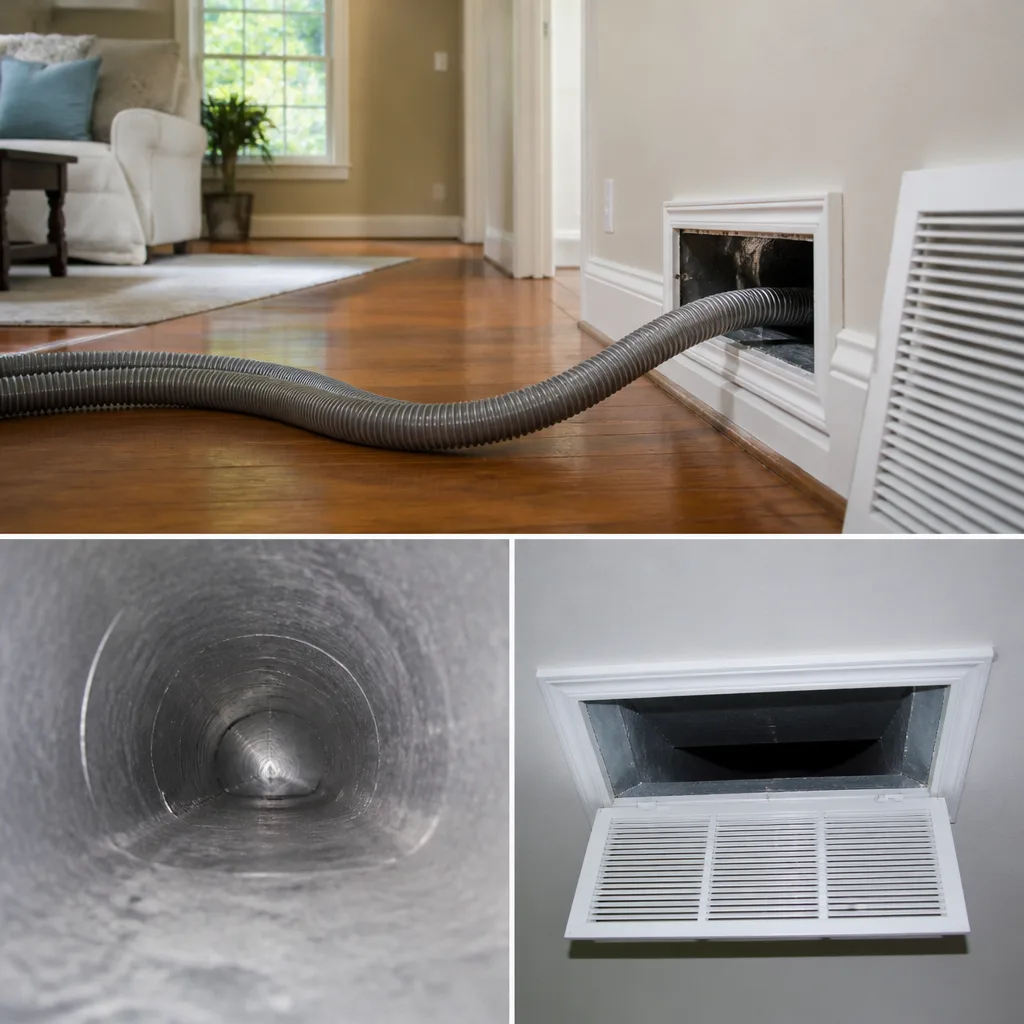 Whole-home duct cleaning
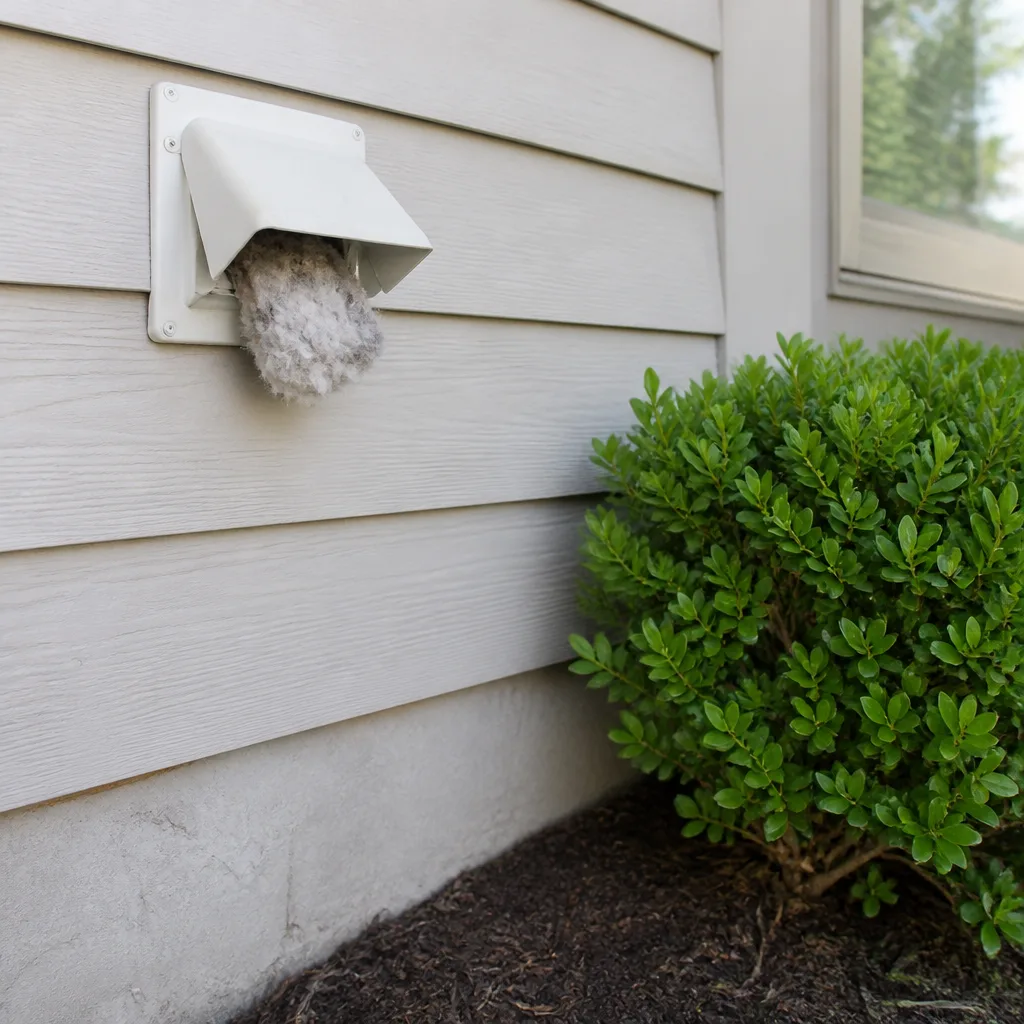 Dryer vent cleaning
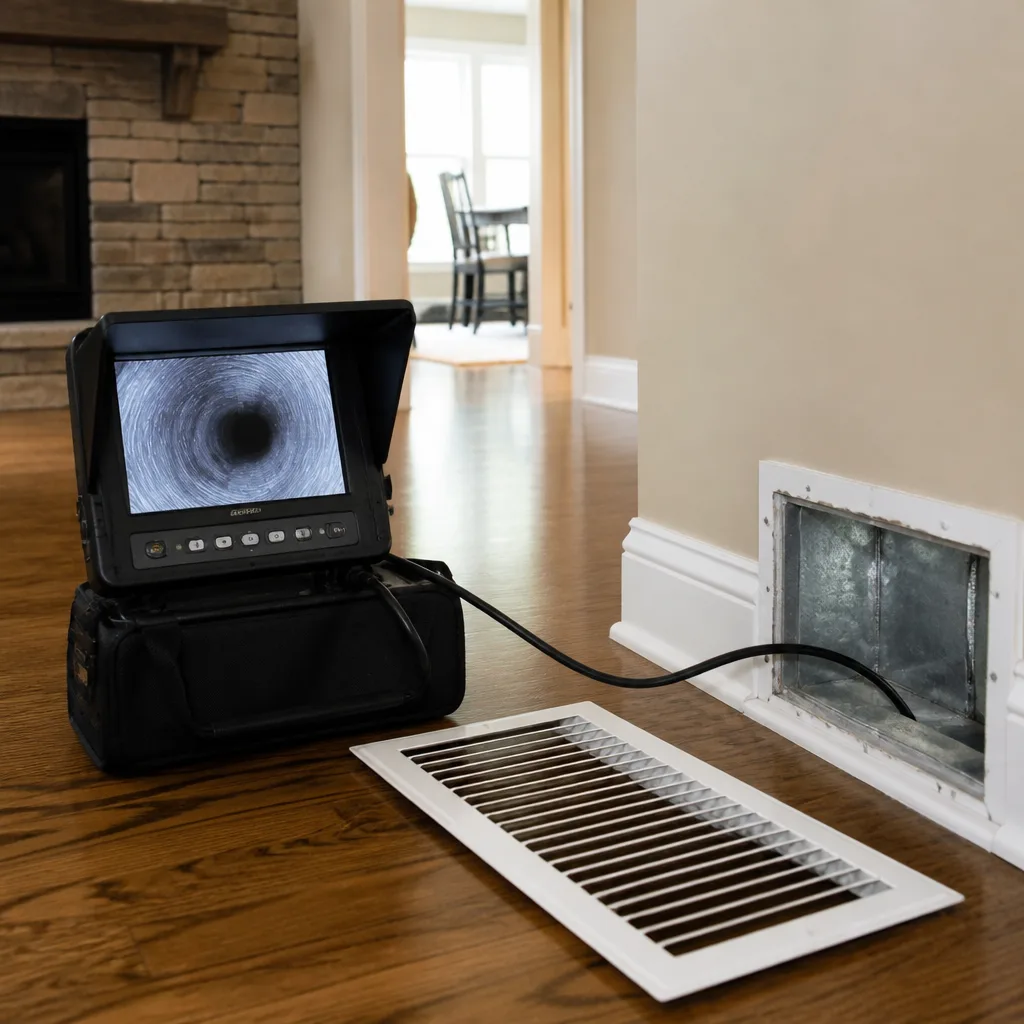 Camera inspection
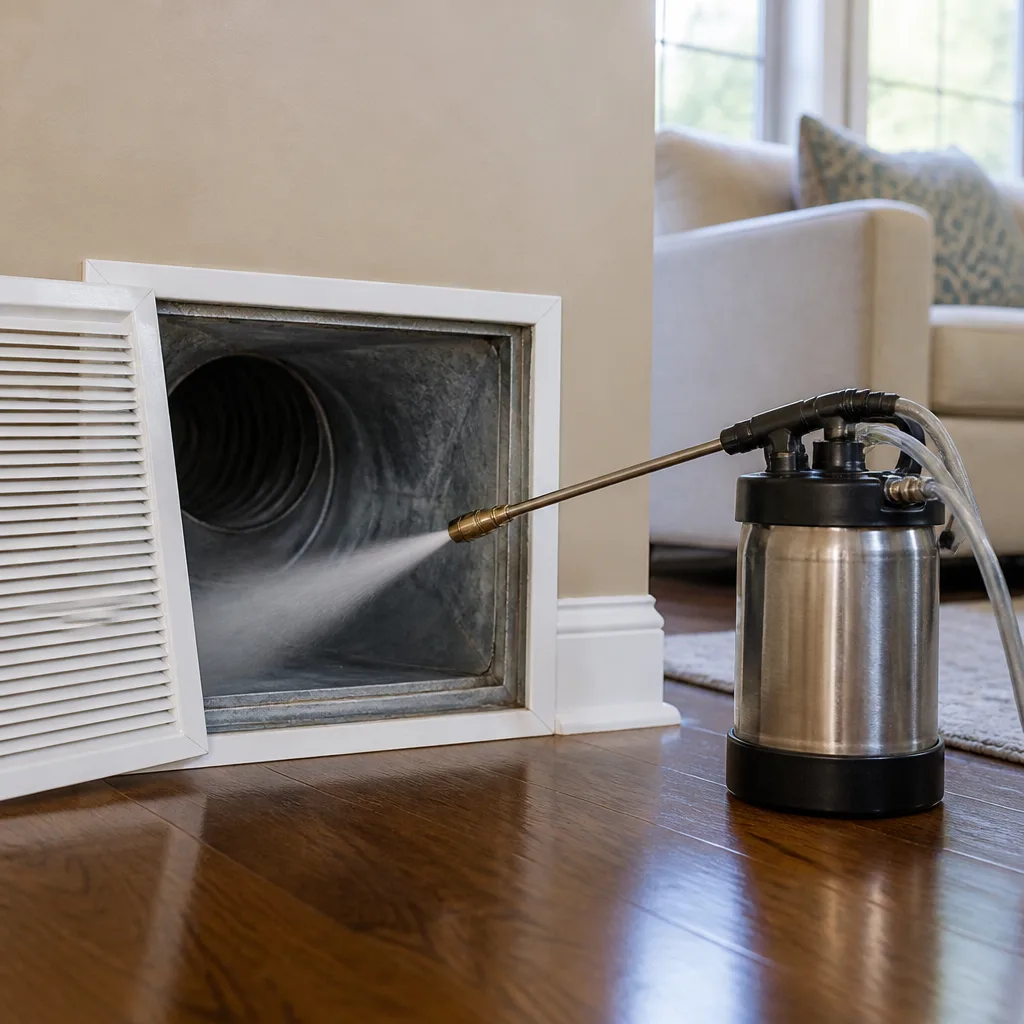 Sanitizing & deodorizing
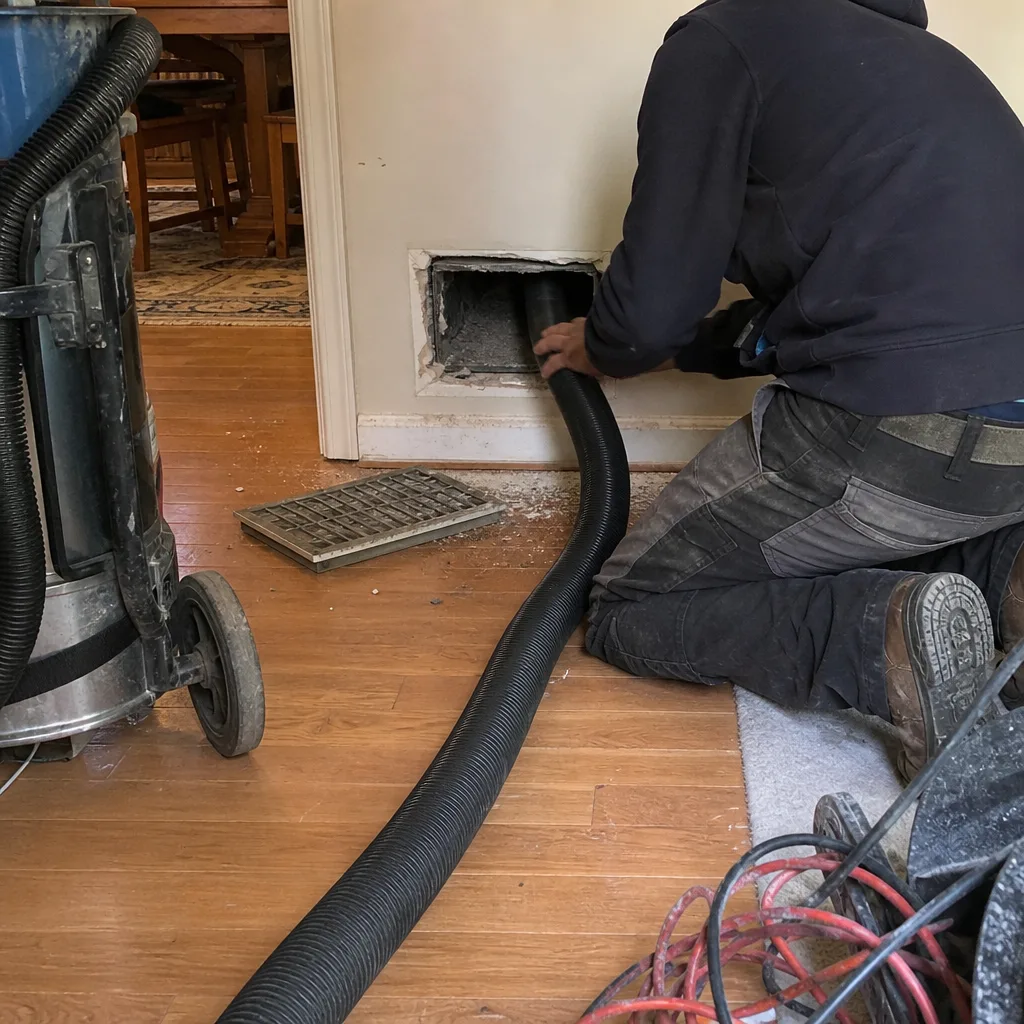
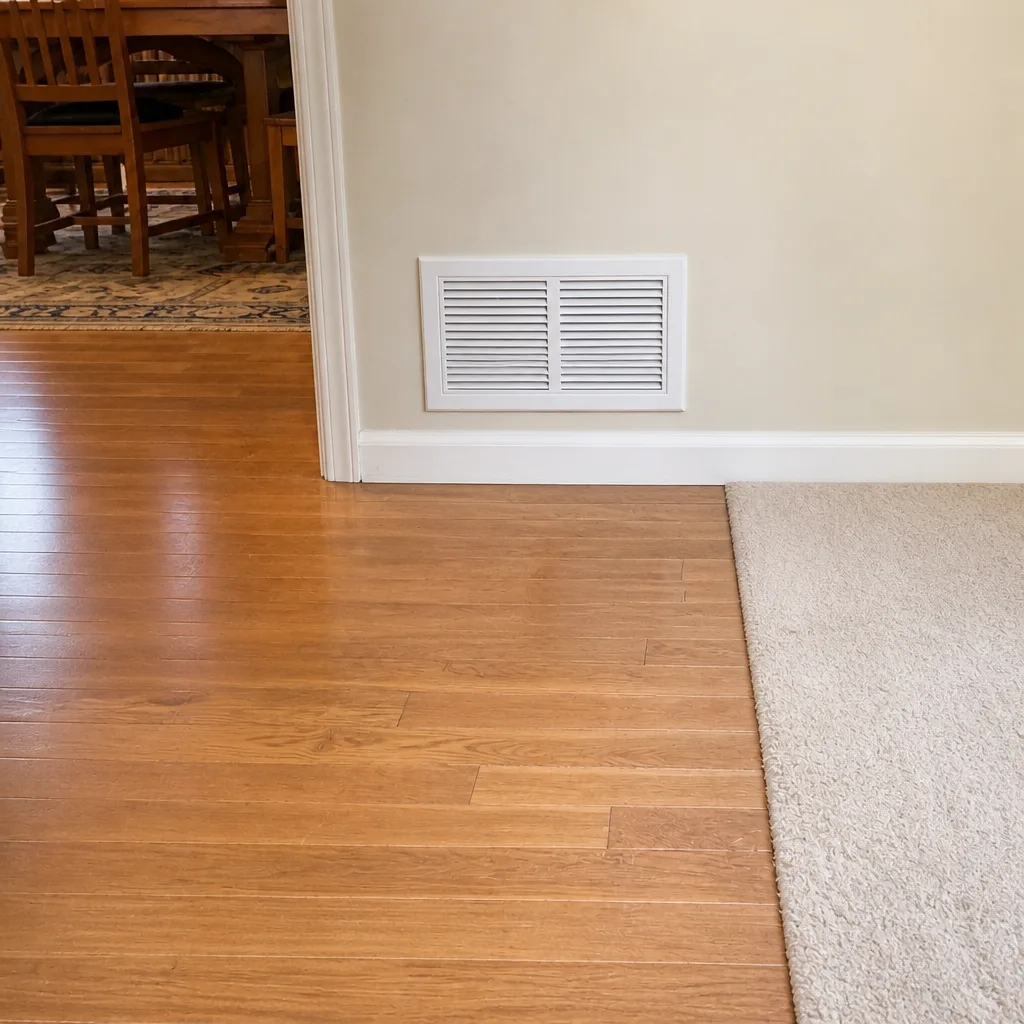
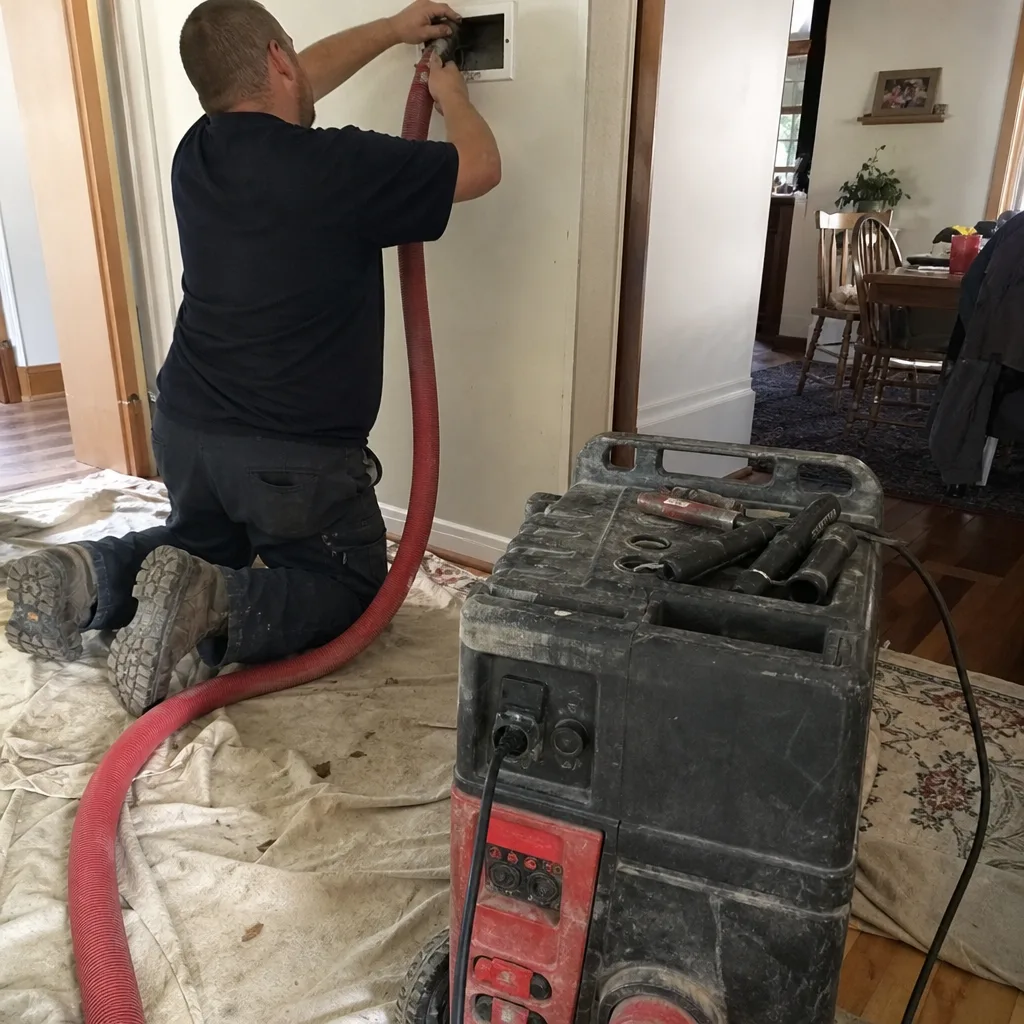
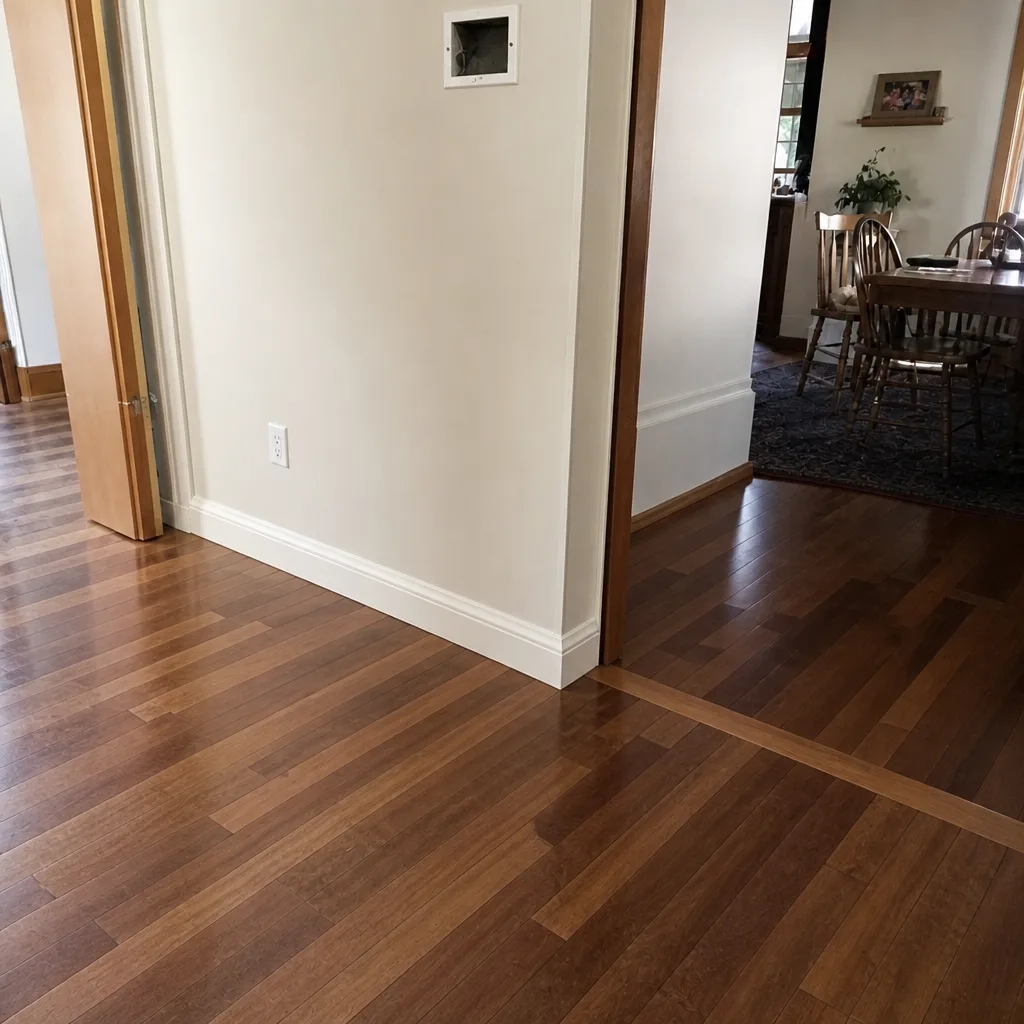
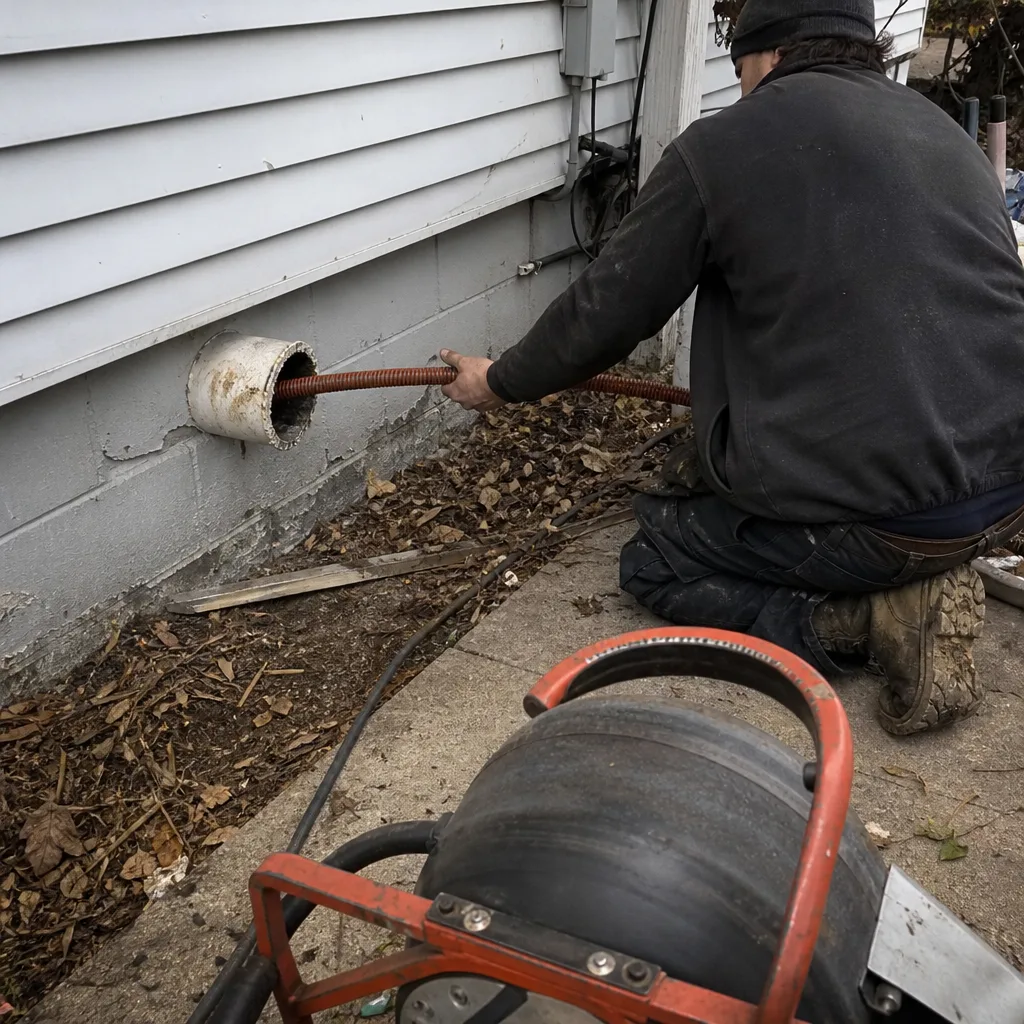
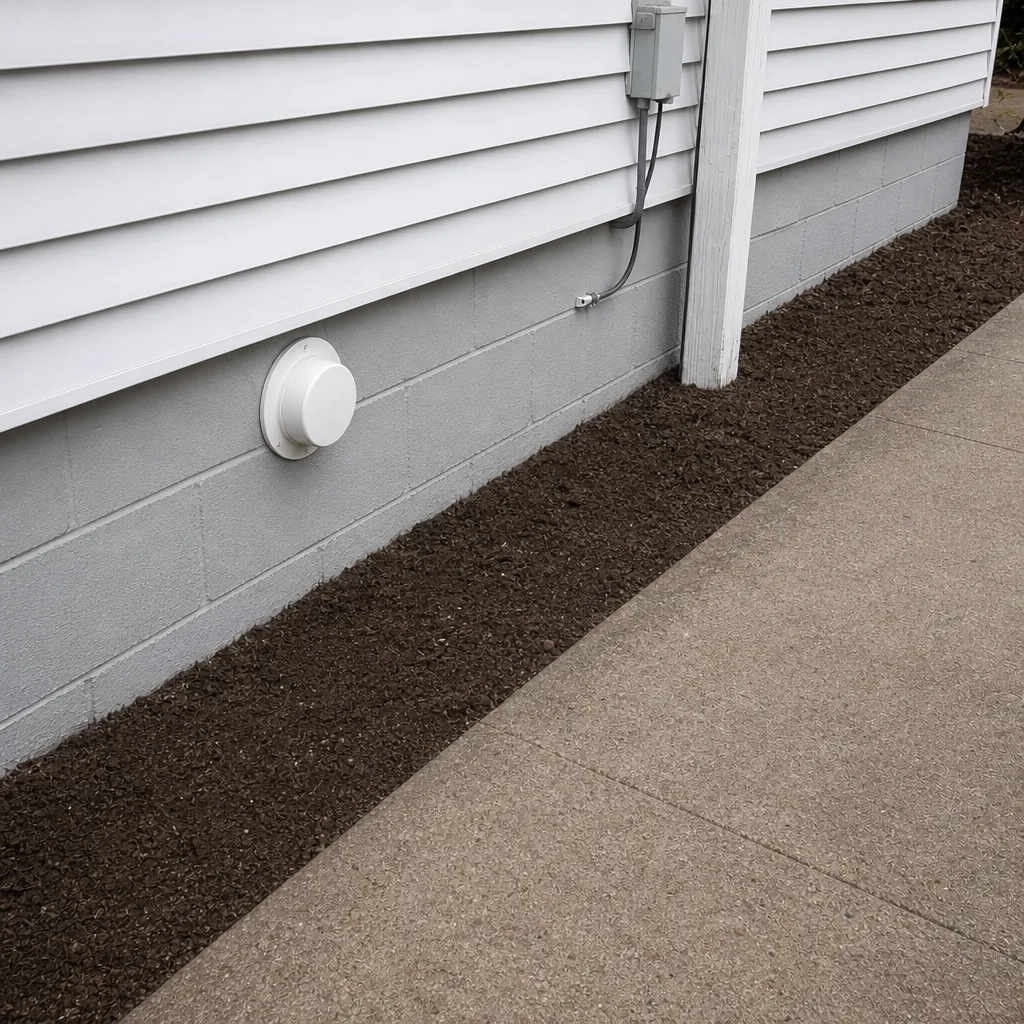
Whole-system duct and dryer vent check with before-and-after photos - you see exactly what came out of your vents
That "$99 whole-house special" is a bait ad - the real number appears once they are in your hallway, or the "clean" is a shop-vac at the register. We photograph the inside of your ducts before and after instead.
The Complete Guide to Air Duct Cleaning in Milwaukee
Most air duct cleaning guides read as if every house in America was built in 2005 with an open floor plan and flexible ductwork. That’s not Milwaukee. A large share of homes here went up before 1970, and many still run on the galvanized steel trunks and branch runs installed when the furnace was first fired. Older ductwork doesn’t just hold more debris; it ages, separates, and collects in ways newer systems never do. This guide treats Milwaukee homes as the real subject. You’ll learn what a proper cleaning involves, how to tell a serious contractor from a cheap imitation, and why the equipment matters as much as the price.
Styles & brands we work with
- Whole-home duct cleaning
- Dryer vent cleaning
- Camera inspection
- Sanitizing & deodorizing
Quick Answer
Air duct cleaning in Milwaukee means removing accumulated dust, debris, and contamination from the entire duct system, not just the visible registers. A proper job uses professional-grade equipment, follows NADCA standards, and includes before-and-after documentation so you can see the work was actually done. For older Milwaukee homes with original steel ductwork, a cleaning should also include an inspection for disconnected runs and deteriorating insulation.
Table of Contents
- Why Milwaukee Homes Need a Different Approach
- Duct Materials You’ll Find in Milwaukee Homes
- Truck-Mounted vs. Portable Equipment
- What NADCA Standards Actually Require
- Milwaukee’s Seasonal Contamination Cycle
- How Duct Cleaning Connects to Indoor Air Quality
- What a Proper Cleaning Involves
- Air Duct Repair: The Service Most Companies Skip
- Common Mistakes to Avoid
- When to Call a Professional
- Frequently Asked Questions
Why Milwaukee Homes Need a Different Approach
Milwaukee’s housing stock tells a story most national duct cleaning guides ignore. The city grew rapidly in waves: brick two-flats and bungalows on the south and west sides, post-war ranches spreading outward, and century-old homes in neighborhoods like Riverwest and Bay View where the original ductwork predates modern sealing standards by decades. When we open up a system in a 1920s Milwaukee two-flat, we’re looking at a different set of problems than a suburban house built in 1998.
Three factors make duct cleaning in Milwaukee a different job than a generic guide would suggest:
- Age of the ductwork. Steel trunks from the mid-20th century were not sealed at the joints the way modern systems are. Every gap is a place where dust collects and where a vacuum loses suction during cleaning.
- Original insulation wraps. Pre-1980 homes often have external or internal duct insulation that has aged, frayed, or separated over decades of heating and cooling cycles.
- Furnace upgrades on old duct systems. Many Milwaukee homes have had their furnace replaced two or three times while the original ductwork stayed put. The new furnace pushes more air than the old system was designed for, which stirs up debris and stresses joints that were never meant for the higher static pressure.
That combination means a proper cleaning in Milwaukee often turns into a cleaning plus inspection job. The scope grows once we see what’s actually inside the system. If you’ve just moved into an older home and don’t know the history of the ductwork, air duct cleaning with a full inspection is the right starting point.
Duct Materials You’ll Find in Milwaukee Homes
The material of your ductwork decides what a cleaning can safely address and what it can’t. In Milwaukee, you’ll run into three main categories, each with its own rules.
Galvanized Steel
This is the most common duct material in older Milwaukee homes. Steel is durable and responds well to mechanical cleaning, but it tends to accumulate a hard, baked-on layer of dust over the decades, especially in the sections closest to the furnace. A brush-and-vacuum approach handles steel well when the equipment is strong enough to maintain airflow through long runs.
Rigid Fiberglass Duct Board
Some homes built in the 1970s and 1980s used fiberglass duct board rather than steel. It’s quieter and better insulated, but it can’t take the same aggressive brushing as steel. If the interior surface has broken down from moisture exposure, cleaning may not restore it and the section has to be replaced. This is one of the reasons we offer Whitman Air Duct Cleaning as a full-scope service rather than a cleaning-only call. If the board is failing, we can handle the repair.
Asbestos-Wrap Insulation
Some homes built before roughly 1980 have insulation wrapped around ductwork that may contain asbestos. We treat anything that’s a candidate for this as a stop point, not a cleaning target. Disturbing asbestos-wrapped duct insulation releases fibers into the air, and no cleaning job is worth that risk. If we find questionable wrap during an inspection, we halt the work in that section and tell you to have it tested by a licensed abatement professional before anything else happens. This is a Milwaukee-specific concern that most cheap duct cleaning crews will ignore. A crew that doesn’t know to look for it shouldn’t be working in an older home.
Truck-Mounted vs. Portable Equipment
The single biggest difference between a serious duct cleaning and a cheap one is the vacuum system. Truck-mounted units pull far more air than portable units, which means they actually lift debris off the duct walls and pull it out of the system. Portable units often just stir up dust and leave most of it behind.
Here’s how the two compare in practice:
- Truck-mounted vacuum. High airflow and strong negative pressure. Creates a full-system pull that keeps debris moving steadily toward the collection point. Works best on longer duct runs and homes with multiple floors. The limitation is hose reach, but for most Milwaukee residential neighborhoods the truck stays on the street and the hose runs in through the front door or service entrance.
- Portable vacuum. Lower airflow and shorter reach. Easier to maneuver in tight spaces. Works well for localized cleaning, dryer vents, or small systems, but struggles to pull heavy accumulation from long, older duct runs.
- Air containment equipment. Regardless of the vacuum type, professional crews use negative-air containment to keep dust from spreading through the house during the job. This is where remediation-grade equipment matters. We use Abatement Technologies containment equipment on residential jobs, which is the same standard of care you’d see on a remediation project, not just a surface cleaning.
Milwaukee’s dense residential blocks mean the truck can’t always park directly in front of the house. Ask any contractor how they handle parking and hose length before they arrive. A crew that hasn’t thought about that is a crew that will cut corners. Ask us what equipment we’re bringing; we’re happy to tell you.
What NADCA Standards Actually Require
NADCA, the National Air Duct Cleaners Association, sets the industry standard for how a duct cleaning should be done. Most homeowners have never heard of it, which is exactly how low-effort crews avoid scrutiny. Here’s what the standards actually require, and how to verify a contractor meets them.
- Source removal, not just surface dusting. The standard requires actual removal of contaminants from the system, not a wipe of the visible surfaces. Ask whether the crew uses mechanical agitation (brushes, air whips, or similar tools) inside the duct runs.
- Whole-system cleaning. A proper job covers supply and return ducts, the air handler, the blower, the coil, and the plenum. If a quote only mentions vents or registers, that’s a red flag.
- Containment during cleaning. The work area should be protected and dust contained. Negative-air equipment and surface protection (we use Guardsman-brand standards for surface protection) keep the house clean while the system is opened up.
- Before-and-after documentation. The crew should photograph the interior of the ducts before and after the cleaning. If they can’t show you the photos, you have no way to verify the work was done.
- Verification that they’re actually NADCA-affiliated. Ask directly whether they follow NADCA standards. Ask to see photos of the equipment. A crew using a shop vac is not following them.
If you’re comparing quotes and one is dramatically cheaper than the others, this list is where the difference usually lives. Cheap quotes cut the containment, skip the documentation, or use portable vacuums that can’t do the job. Call us at (866) 729-3894 for a free estimate, and ask what equipment we’re bringing. We’ll walk you through the whole scope before you commit.
Milwaukee’s Seasonal Contamination Cycle
Milwaukee’s climate does more to ductwork than most homeowners realize. The seasonal swing from humid summers to cold, dry winters creates a cycle that pushes contamination into the duct system year after year, and it’s a problem no generic cleaning schedule accounts for.
Summer: Humidity and Biological Growth
Milwaukee summers are humid enough that the cool air inside your ducts meets warm, moist air at every joint and register. Condensation forms on the cooler surfaces, and dust that’s already clinging to the duct walls becomes a damp layer. In basements and crawl spaces, that layer stays damp for weeks. Organic material plus moisture plus a dark interior is the recipe for biological growth inside the system. Once it starts, no amount of filter changes will fix it; it lives inside the ducts.
Winter: Static and Dry Debris
Once heating season kicks in, the system runs near-constantly for months. The faster air movement carries more debris, and the dry air means dust that’s been damp all summer dries, flakes, and goes airborne. Static electricity builds up on the steel duct walls and pulls fine particulate to the surfaces. By spring, the system has accumulated another layer.
What This Means for Timing
For Milwaukee homes, the best time to clean is generally in spring after heating season ends, before the humid summer sets in. That way the system starts the humid season clean and dry, and the biological growth cycle has less to feed on. If you’re already noticing musty smells when the air comes on, cleaning should happen sooner rather than later.
How Duct Cleaning Connects to Indoor Air Quality
Duct cleaning doesn’t exist in isolation. In Milwaukee homes, it’s tied directly to three broader indoor air quality issues that show up again and again in the homes we work on.
Older Insulation
Fiberglass insulation that’s been in place for thirty years can break down, and particles from degraded insulation can enter the airstream if the barrier is compromised. When we inspect a system, we check for insulation that’s failing and recommend repair when the barrier is open. It’s one of the most common findings in older Milwaukee homes.
Urban Particulate
Milwaukee isn’t a small town. Between traffic, seasonal pollen, and the ordinary dust of a dense urban area, the outside air carries a steady load of particulate that the HVAC system pulls in. Without proper filtration, that particulate settles in the duct system instead of being filtered out. Working with brands like Honeywell and Aprilaire means we can help you integrate a filtration setup that actually keeps up with Milwaukee’s air, rather than a basic filter that misses most of it.
Basement Moisture
Many Milwaukee homes have basements that stay humid through the summer, and a lot of those basements house the furnace and duct trunks. Damp basement air pulled into the system carries the moisture with it. That’s why duct cleaning in Milwaukee often goes hand in hand with basement moisture control. A cleaning without addressing the moisture source just puts you right back where you started by the next season.
What a Proper Cleaning Involves
Here’s what a professional cleaning looks like step by step, so you know what to expect and what to look for. If a crew skips any of these steps, they’re not doing a full-scope job.
- Walkthrough and assessment. Before any equipment comes out, we walk the house, look at the system layout, check for access points, and note any red flags like asbestos-wrapped insulation or disconnected runs. The scope of the job gets set at this point, before cleaning starts.
- Set up containment and protection. Negative-air equipment goes in first, along with surface protection on floors and furnishings. This keeps the house cleaner than it was before we arrived.
- Open access points. Ducts get opened at strategic points to reach the interior. Older Milwaukee homes often need access cut into a trunk or return where none existed originally. We restore every opening properly when the job is done.
- Mechanical agitation and vacuum. Brushes and air tools loosen debris from the duct walls while the vacuum pulls it out of the system. Professional equipment like Rotobrush and Nikro systems is what makes this step effective; improvised tools only scratch the surface.
- Clean the air handler and components. The blower, coil, and plenum get cleaned as part of the job. These are often the dirtiest parts of the system and the easiest to skip.
- Photograph the results. Before-and-after photos inside the ducts give you a record of what was actually done. Ask for them every time.
- Seal and restore. Access points get sealed back up, and any loose joints we found along the way get addressed. If there’s damage to the ductwork, we tell you on-site and quote the repair separately.
Air Duct Repair: The Service Most Companies Skip
Most duct cleaning companies clean. Very few also repair. That’s a problem in older Milwaukee homes, because opening up a system almost always reveals something that needs attention: a disconnected branch in a basement ceiling, a crushed flex run behind drywall, a joint that’s been leaking into a crawl space for years.
When a cleaning crew finds damage and doesn’t repair it, you’re left with a clean system that leaks and a contractor who tells you to call somebody else. That’s a lot of calling around for one problem. We offer duct repair as a full service line alongside cleaning, so if we find damaged or deteriorating ductwork during a cleaning, we can address it in the same visit rather than sending you off to find another contractor. The scope and the price get set in a written estimate before any repair work begins.
If you’re not sure what’s going on with your ducts, a cleaning-and-inspection is the way to find out. Some homes only need a cleaning; others need the cleaning plus repair. You’ll know which you’re looking at after a proper assessment.
Common Mistakes to Avoid
- Hiring on price alone. A quote significantly below the market for a full-system cleaning almost always comes with a smaller scope: fewer access points, no containment, no documentation. You’re paying for a service visit, not a real cleaning. Ask for the scope in writing before you decide.
- Not asking about equipment. A shop vac is not duct cleaning equipment. Ask what vacuum system the crew is bringing and whether they use professional-grade tools. If they can’t answer clearly, that’s your answer.
- Assuming the visible vents are the whole job. Cleaning registers gives you a clean grille and a dirty duct behind it. The work happens inside the system, not on the surface you can see.
- Ignoring asbestos concerns in older homes. If your Milwaukee home was built before 1980 and the duct insulation has never been inspected, have it checked before a cleaning crew touches the system. This is a real hazard and it needs to be treated as one.
- Skipping the photos. A crew that doesn’t document their work gives you no way to know it was done. Before-and-after photos inside the ducts are the baseline standard, not a nice-to-have.
- Cleaning once and never again. Duct cleaning isn’t a one-time fix. Milwaukee’s seasonal cycle means contamination builds back up, and how often you clean depends on your home’s age, insulation, and filtration setup.
- Forgetting the dryer vent. Your dryer vent is part of the ventilation system too, and clogged dryer vents are a real household hazard. Dryer vent cleaning should be on the same schedule as duct cleaning, not treated as an afterthought.
When to Call a Professional
Some signs are obvious, others aren’t. Call a professional if you notice any of the following: visible dust blowing out of the registers when the heat or AC comes on; a musty or stale smell when the system runs; visible mold or dark staining inside the return duct; a recent move into an older Milwaukee home where you don’t know the history of the ductwork; or a system that’s had a major renovation nearby, since construction dust finds every gap. Any of those signals is a reason to get the system looked at rather than wait. Whitman Air Duct Cleaning offers free estimates in Milwaukee. Call (866) 729-3894. We answer 24/7. Fast dispatch from 7am to 7pm, Sunday through Friday. If your dryer vent hasn’t been cleaned in years, dryer vent cleaning is worth scheduling at the same time.
Frequently Asked Questions
Air duct cleaning in Milwaukee is priced per system rather than per vent, so the estimate depends on the size of the home, the number of systems, and how much repair work the ducts need. Whole-home cleanings in this market typically run in the range you’d expect for a full-scope cleaning with containment, air handler cleaning, and before-and-after photos, which is a different product than the cheapest advertised cleaning. Request a written estimate and compare scope to scope. Call (866) 729-3894 for an exact quote, estimates are free.
Most Milwaukee homes need a cleaning every three to five years, and older homes with original steel ductwork may benefit from a shorter interval. The humid summers and long heating seasons here accelerate accumulation. Homes with pets, recent renovations, or basement moisture issues often need cleaning sooner. A cleaning plus inspection every few years is the practical schedule. Call (866) 729-3894 for an exact quote, estimates are free.
Cheap quotes are usually cheap because the scope is smaller: fewer access points, no containment equipment, portable vacuums, no documentation, and no cleaning of the air handler or blower. Some low-cost crews also add on charges once they arrive. Ask for the full scope in writing and compare what’s actually included. Call (866) 729-3894 for an exact quote, estimates are free.
Before-and-after photos of the inside of your ducts are the standard, and any professional cleaning should include them. If a crew doesn’t document the work, you have no way to verify it happened. During the job, ask to see the access points they’ve opened; if they can’t show you where they worked, that’s your red flag. Call (866) 729-3894 for an exact quote, estimates are free.
Not always, and that’s the point of an assessment before any cleaning starts. If the duct insulation wrap is suspect in a Milwaukee home built before 1980, it needs to be tested by a licensed abatement professional before a cleaning crew touches the system. Disconnecting suspect material is a health hazard, not a cleaning job. Call (866) 729-3894 for an exact quote, estimates are free.
Yes, if the dryer vent hasn’t been cleaned in the last year or two. Your dryer vent is part of the system too, and it collects lint in the same way ducts collect dust. Cleaning both at once saves a service visit and gives you a full picture of the home’s ventilation. Call (866) 729-3894 for an exact quote, estimates are free.
The Bottom Line
Air duct cleaning in Milwaukee is a different job than in a newer home. The combination of pre-1970 construction, galvanized steel ductwork, aged insulation, and the seasonal humid-to-dry cycle means the scope of a proper cleaning runs deeper than a surface sweep. The right contractor brings professional equipment, follows NADCA standards, documents the work, and can repair what the cleaning reveals. If you’re comparing quotes, compare scope and equipment, not just price. For Milwaukee homes, a proper job is a full-scope job, and it’s worth the time to find the crew that will do it right. Our technicians have up to 11 years of experience, and we’re glad to walk you through the scope before you commit.
Call (866) 729-3894 for a free estimate. We answer 24/7. Fast dispatch from 7am to 7pm, Sunday through Friday. We’ll tell you exactly what equipment we’re bringing for your Milwaukee home and why it matters.
Written by the team at Whitman Air Duct Cleaning.
See the difference
 Before
 After
 Before
 After
 Before
 After