
Last updated November 15, 2026
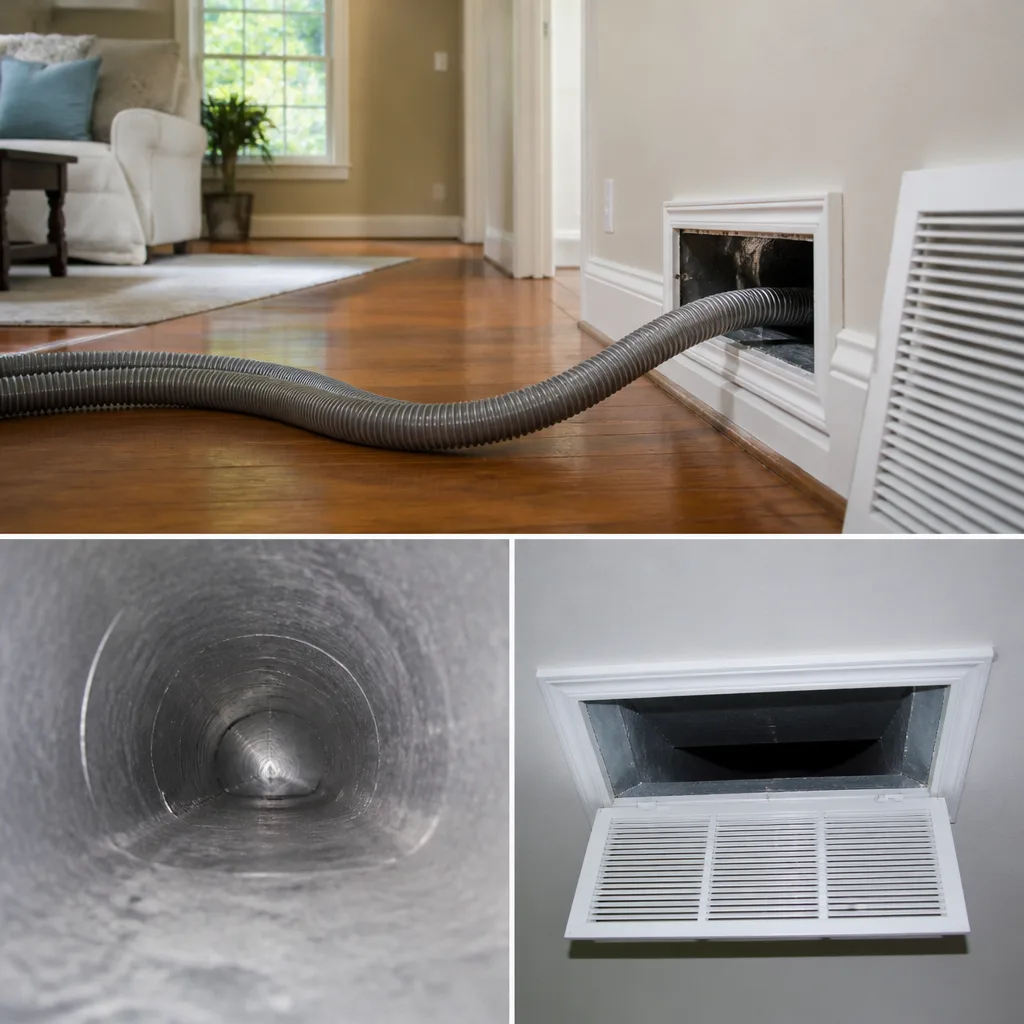 Whole-home duct cleaning
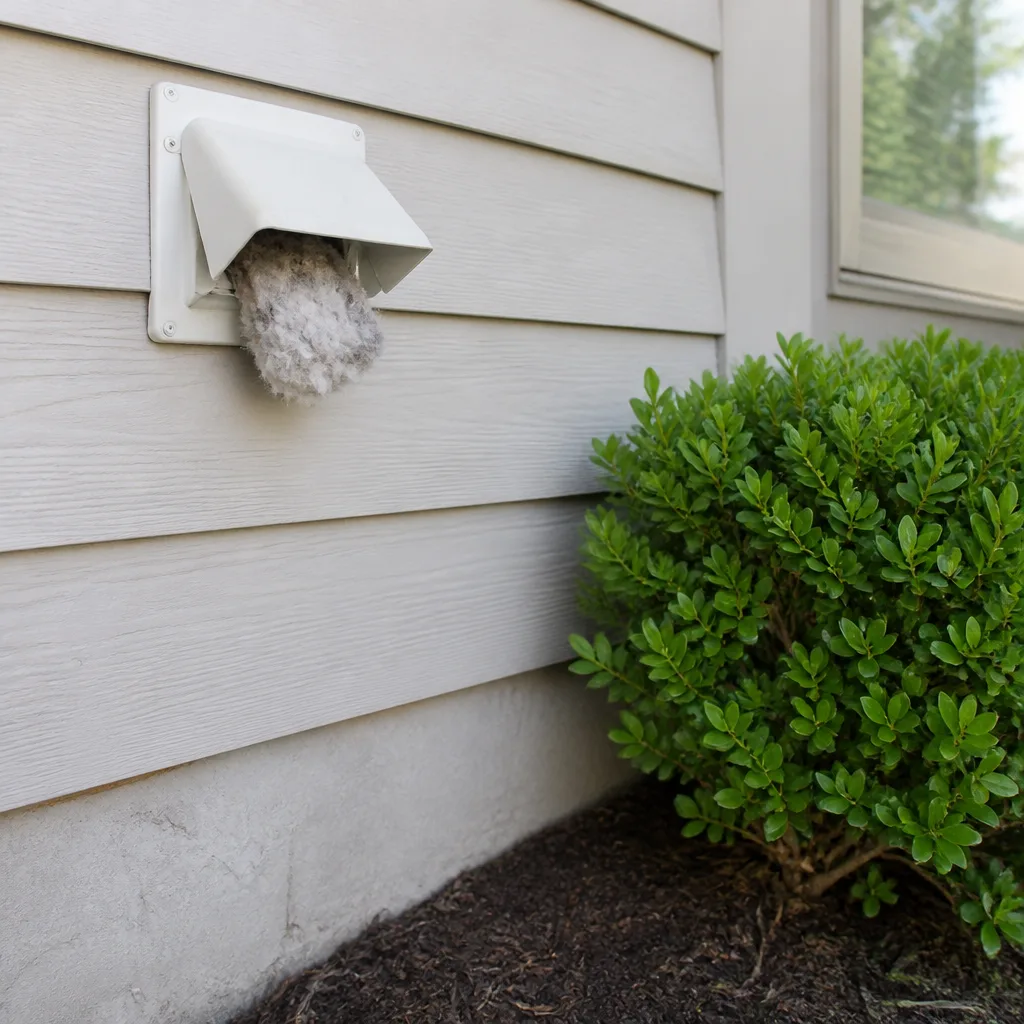 Dryer vent cleaning
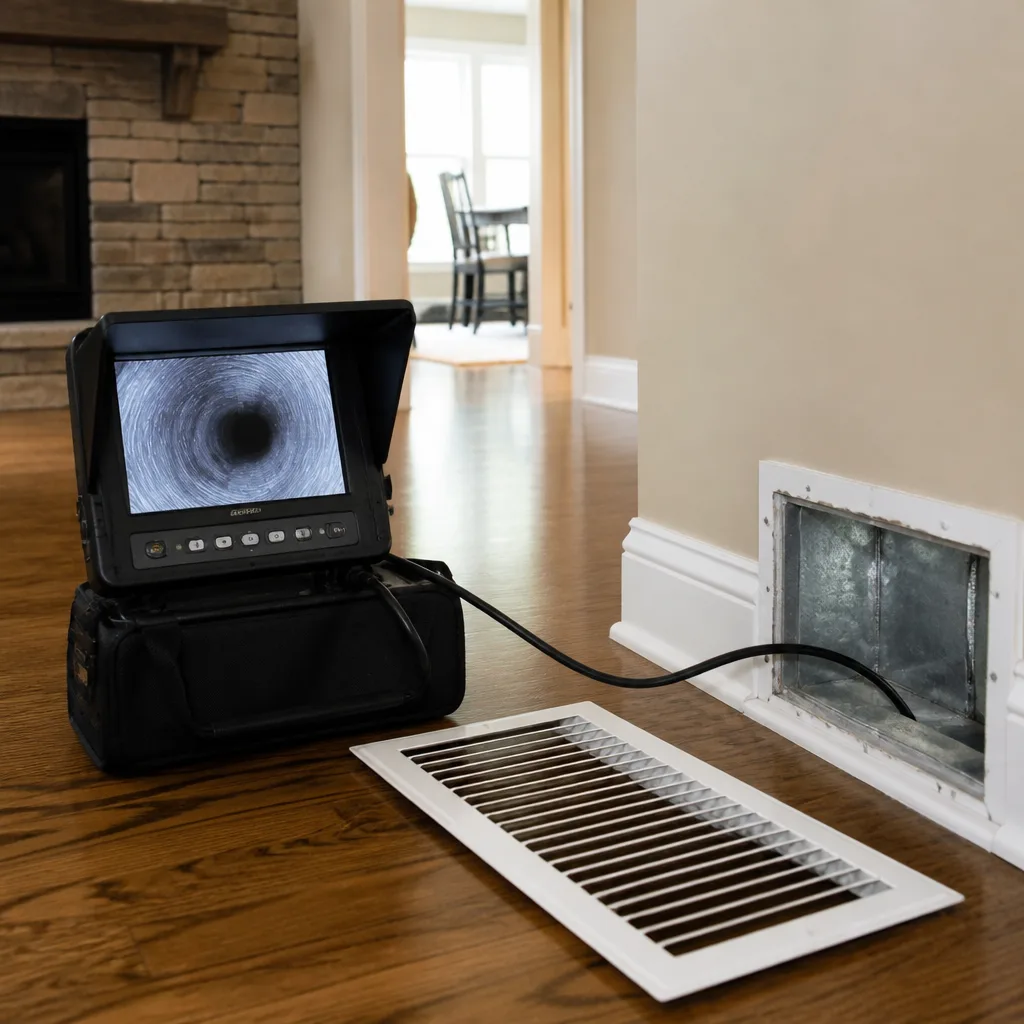 Camera inspection
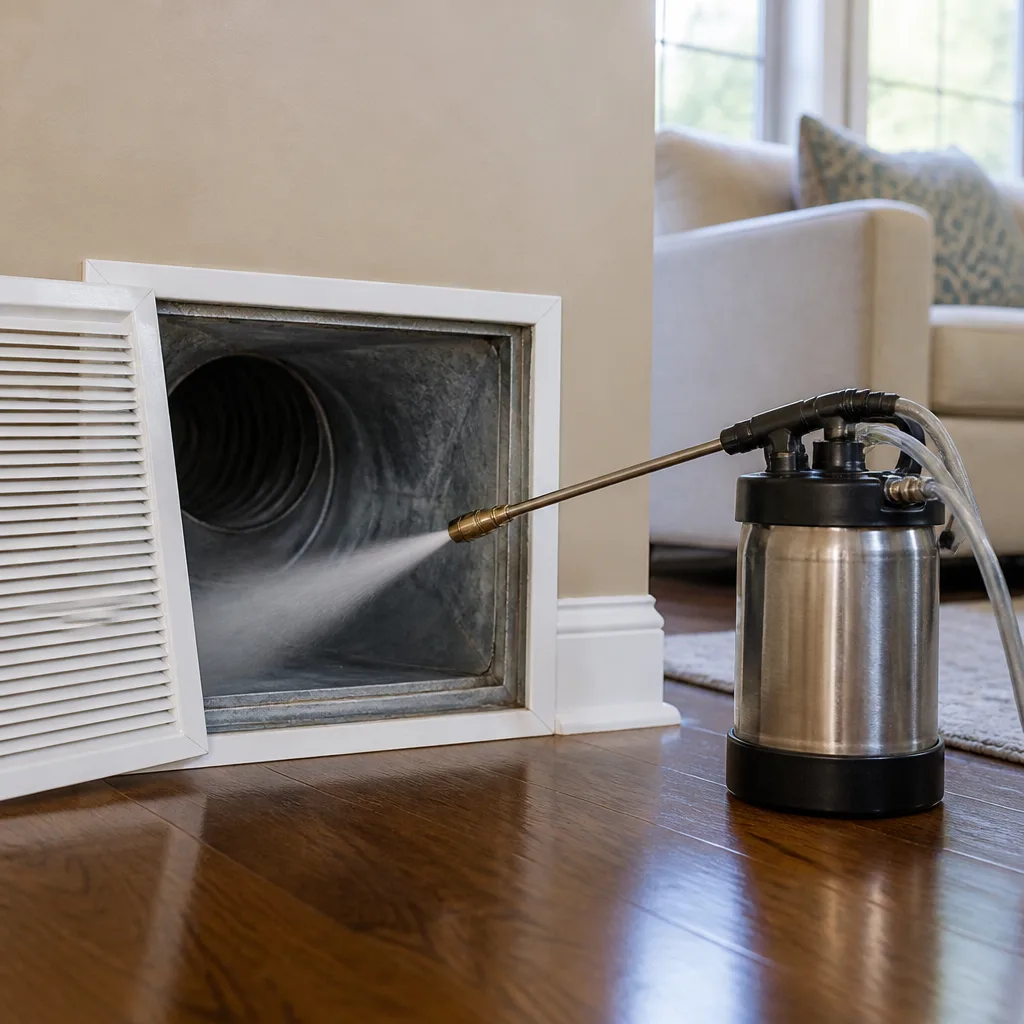 Sanitizing & deodorizing
Whole-system duct and dryer vent check with before-and-after photos - you see exactly what came out of your vents
That "$99 whole-house special" is a bait ad - the real number appears once they are in your hallway, or the "clean" is a shop-vac at the register. We photograph the inside of your ducts before and after instead.
Air Duct Cleaning Cost Breakdown: The Milwaukee Homeowner’s Reference for 2026
Two quotes land in your inbox on the same afternoon. One says $199 for a whole-house duct cleaning. The other says $650 for what sounds like the exact same service. They are almost never the same job. The gap isn’t just profit margin – it’s equipment, labor hours, access difficulty, and what’s actually being cleaned versus what’s being skipped. Most Milwaukee homeowners have no framework for telling the difference, so the low number wins by default and the work doesn’t get done right. This guide breaks down the real cost drivers behind a duct cleaning quote, line by line, so you can read the next estimate you get and know exactly what you’re paying for.
Quick Answer
Professional air duct cleaning in Milwaukee typically runs $350 to $700 for a standard home, with larger or more complex systems reaching $900 or more. The price is driven by square footage, the number of supply and return runs, how accessible the ductwork is, and whether the contractor uses truck-mounted negative-pressure equipment or a portable unit. A written, itemized estimate should state all four before any work begins.
Styles & brands we work with
- Whole-home duct cleaning
- Dryer vent cleaning
- Camera inspection
- Sanitizing & deodorizing
Table of Contents
- What Actually Drives the Cost of Duct Cleaning?
- What Line Items Should a Real Quote Include?
- Why Does Equipment Type Change the Price?
- Which Add-Ons Are Worth It and Which Are Upsells?
- How Milwaukee’s Older Housing Stock Affects the Job
- How to Read a Quote: A Step-by-Step Checklist
- How Much Does Cheap Duct Cleaning Actually Cost You?
- How Often Does Ductwork Really Need Cleaning?
What Actually Drives the Cost of Duct Cleaning?
Duct cleaning cost in Milwaukee comes down to four measurable variables: home square footage, the number of supply and return runs, access difficulty, and the type of equipment brought to the job. A contractor pricing by “vents” often leaves at least one of these out of the equation, which is why that quote looks cheaper on paper. It isn’t cheaper – it’s a narrower scope.
Square footage sets the baseline. A 1,200-square-foot ranch has less ductwork to clean, less labor, and less equipment run time than a 2,800-square-foot two-story. A legitimate quote reflects this difference.
Supply and return runs are the individual branches and the return trunk. Most homes have between 8 and 20 total runs. Each one needs to be cleaned individually with a rotary brush or air whip, so the run count is the single largest labor driver. If a quote doesn’t mention the number of runs, it’s pricing blind.
Access difficulty covers how hard the duct runs are to reach. In Milwaukee’s older homes, runs may be buried behind finished basement ceilings, run through short knee walls, or be routed through crawl spaces with limited clearance. Every one of those adds labor time and setup.
Equipment type is the variable most homeowners never ask about, and it’s the one that most clearly separates a $199 quote from a $650 quote. Truck-mounted negative-pressure systems cost more to run and require more setup, but they pull far more material out of the system than a portable unit with a shop-vac base. We use Rotobrush and Nikro professional systems, paired with Abatement Technologies negative-air equipment for containment during cleaning – the same class of tools contractors use on remediation work.
- Home size: ~1,000-1,800 sq ft → $350-$500 typical
- Home size: ~1,800-2,500 sq ft → $450-$650 typical
- Home size: 2,500+ sq ft or multiple systems → $650-$900+ typical
- Access surcharge: tight crawl spaces, finished basement ceilings, or long duct runs add $75-$200+
- Contamination level: post-renovation or long-neglected systems may need a second pass
These ranges are typical for the Milwaukee market in 2026. Every job is priced individually by a written estimate before work starts – never by a coupon teaser, never by a per-vent number quoted over the phone.
What Line Items Should a Real Quote Include?
A proper duct cleaning quote is itemized, not a single all-caps number with “WHOLE HOUSE SPECIAL” next to it. When you’re comparing proposals, look for the specific components below. What’s missing tells you more than what’s included.
Here’s what a detailed quote should list:
- Equipment being used: the brand or class of vacuum, brush, and containment system. “Professional equipment” alone isn’t specific enough.
- Number of supply and return runs being cleaned, with a per-run count that matches your actual system. Count the registers yourself before the estimate arrives.
- Cleaning method per component: how the trunk line, the branch runs, the return plenum, and the air handler get cleaned – they aren’t the same process.
- Containment and protection scope: how the crew will seal registers and protect flooring and furnishings during the job.
- Before-and-after access: whether you’ll receive photos of your own ductwork, not stock images.
- Any add-on services listed separately with prices, so you can decline the ones you don’t want.
- The final price in writing, signed off before any work begins. No surprise additions at the truck.
What vague language looks like: “full system cleaning,” “complete duct service,” “deep sanitization included,” with no run count, no equipment listed, and no mention of the air handler or return trunk. If you can’t tell from the quote whether the return side is being cleaned, ask. The answer is often no.
Homeowners and property managers reach out to us specifically because they want to see what equipment is coming before they schedule. Ask any contractor what equipment they’re bringing and why. Their answer will tell you a lot about the scope of work behind the number.
Why Does Equipment Type Change the Price?
The difference between a truck-mounted negative-pressure unit and a portable vacuum isn’t just horsepower – it’s the physics of how the duct system gets cleaned. A truck-mounted system pulls the entire duct system into negative pressure, which means loosened debris travels out of the system and into a collection unit rather than into the living space. A portable unit with a small motor moves less air and holds less material before it needs to pause.
Why truck-mounted setups cost more to operate:
- Fuel and equipment overhead: a truck-mounted negative-air system requires a substantially larger engine and vacuum blower than a portable unit.
- Setup time: connecting and sealing the containment at the air handler and register locations takes longer and often includes two technicians.
- Containment materials: proper containment uses more sealant, suction hose, and HEPA-level filtration, all of which carry a materials cost.
- Two-person crew: one technician handles the rotary brush inside while the other manages containment and the vacuum from outside the work zone.
That cost difference is why you’ll sometimes see a $250 quote from a crew running a single portable vacuum – and why the visible dust in the home after the “cleaning” is often worse than before. If a contractor can’t tell you the vacuum class being used before they arrive, that’s a sign they don’t have the equipment to justify their price.
In our experience, the right setup looks like a truck-mounted or high-capacity negative-air unit paired with rotary brush and air whip tools for the branch runs, plus HEPA filtration to protect the home during the process. We use Abatement Technologies containment equipment because it’s the standard in remediation and restoration work – residential duct cleaning deserves the same level of care.
Which Add-Ons Are Worth It and Which Are Upsells?
Duct cleaning add-ons are where quotes diverge most sharply. Some genuinely improve indoor air quality. Others are sold because they have a low cost to the contractor and a high margin. Here’s how to sort them.
Add-ons with real value
Duct sealing. If the duct system has been tested and found to leak at the joints or seams, sealing those leaks is a legitimate improvement. Losing conditioned air into wall cavities or a crawl space is a real efficiency issue, and sealed ducts hold pressure better after cleaning. A reputable contractor will show you the visible leak evidence before recommending sealing – not just suggest it as a blanket upsell.
Sanitizing under specific conditions. If the system has had a moisture problem, rodent intrusion, fire damage, or visible mold growth confirmed by testing, sanitizing is appropriate. If the ducts are simply dusty, sanitizing a clean system adds little. The right question is: what condition was identified, and what evidence supports treating it?
Air filter upgrades. Moving to a higher-MERV filter or a whole-home filtration system integrated with your existing HVAC system is a durable improvement. We work within Honeywell and Aprilaire ecosystems because they’re brands homeowners already trust, and their filtration products integrate cleanly with most forced-air setups.
Add-ons with minimal IAQ impact
Blanket UV lights in every register. UV lights have documented use in specific locations inside an air handler, but putting one at every register is not a proven IAQ strategy and can add hundreds of dollars to a quote.
Fragrance or “fresh air” treatments. Adding a scent to the ducts isn’t cleaning – it may mask a contamination problem rather than solve it.
Repeat cleaning within the same year. If the first job was done correctly, a second cleaning within months usually isn’t needed. If a contractor suggests it, ask why.
Our rule: if an add-on isn’t supported by something we can show you in your own ductwork, we don’t recommend it. Before-and-after photos of your own system tell you more than any marketing copy.
How Milwaukee’s Older Housing Stock Affects the Job
The housing stock in Milwaukee is one of the most common reasons a quote that sounds “high” for one home is actually the right price for another. A pre-war bungalow in Washington Heights and a 1990s build in the west suburbs are not the same job, even if they’re the same square footage on paper.
Duct system age and configuration. Many older Milwaukee homes were originally built with gravity or early forced-air systems, then retrofitted or extended over the decades. That often means branch runs added piecemeal, transitions that bend at odd angles, and a mix of duct material from original galvanized steel to later flex duct additions. Rotary brush equipment has to navigate each run type, and irregular configurations add labor time and sometimes require a second pass.
Basements and crawl spaces. Milwaukee’s cold winters mean a lot of ductwork runs through basements and short crawl spaces rather than ventilated attics. That’s generally good news for accessibility and duct insulation. But if the basement was finished later, duct runs may now be hidden behind drywall soffits or drop ceilings. Access to those runs is a real labor cost, and any quote that ignores it is pricing blind.
Older register counts. Vintage Milwaukee homes often have fewer, larger registers than modern homes, but they’re more likely to have return systems that were added after construction rather than designed into the original system. That changes how return-side cleaning is scoped. Return trunks and return plenums are often the dirtiest part of the system – make sure your quote explicitly includes them.
Winter moisture patterns. Long heating seasons mean the air handler runs a lot of hours. Every hour of operation moves air through the filter and duct system. Homes that have gone through many heating seasons since the last cleaning typically have more accumulated dust in the return system and air handler than the supply runs. A quote that doesn’t mention the air handler is leaving a piece of the job out.
None of this is a reason to pay more than the job is worth. It’s a reason to make sure the quote you’re comparing is scoped to the home you actually live in.
How to Read a Quote: A Step-by-Step Checklist
Here’s the process we recommend when a duct cleaning estimate lands in your hands. It takes about five minutes to walk through and it will tell you more about a contractor than any phone conversation will.
- Count your registers before the estimate arrives. Walk the house and count every supply register (the ones pushing air out) and every return register (the larger grilles sucking air in). If the quote says “up to 10 vents” and you count 14, you know where the price is going to go.
- Check that supply and return are both listed. Many teaser quotes include supply runs only. The returns are often the dirtiest.
- Confirm the equipment. Ask what vacuum class and what cleaning tools will be used. If they can’t name the equipment, that’s your answer.
- Ask about containment. How will they prevent dust from entering the living space? Proper containment involves sealing registers and negative pressure, not just closing doors.
- Confirm the air handler is in scope. The air handler, blower compartment, and evaporator coil are part of the system. Cleaning the ducts without touching them leaves the primary collection point untouched.
- Ask for before-and-after photos. A contractor who can show you your own ductwork before and after the job is one who intends to do the job.
- Get the final price in writing. One flat price per system, agreed before work begins. If the number changes on the day of the job, the estimate wasn’t real.
- Ask if repair is in scope. Older Milwaukee ductwork sometimes has holes, disconnected joints, or crushed flex runs. A cleaning crew that doesn’t offer repair will either clean around the damage or ignore it. We offer air duct repair as a service line for exactly this reason – cleaning and repair belong in the same conversation.
How Much Does Cheap Duct Cleaning Actually Cost You?
A $99 or $199 whole-house duct cleaning is almost never cleaning a whole house. It’s a teaser price scoped to a smaller job than you have, and the final invoice grows once the crew is inside. That’s the bait-and-switch pattern doctors of every home service trade warn about, and duct cleaning has the worst reputation of any category on this front. If you want to know how much a low quote will end up costing, ask three questions before scheduling.
What’s the per-run or per-vent upcharge? A teaser price frequently covers 8 vents. If your home has 16, the upcharge at each register adds up fast – and because it wasn’t in the written estimate, it’s a surprise.
Is the return trunk in scope? Return cleaning frequently gets listed as an add-on. So does the air handler. So does the blower compartment. Each is often a $75-$150 line item that wasn’t in the advertised price.
Is the crew using negative pressure? A portable vacuum with a shop-vac body is not a professional duct vacuum. The visible dust result is often worse than the “before” condition.
What you pay for a bad cheap job is often a re-clean within weeks, plus dust throughout the home, plus a damaged connector or two from tools pushed through the wrong way. On top of that, whatever contamination the first crew loosened but didn’t remove is now distributed through the whole system. That’s not a bargain – it’s a setback.
Our pricing model is one flat price per system, agreed before work begins. No per-vent upcharges, no add-on surprises, no teaser price that doubles at the door. Before-and-after photos of your own ducts come with the job. Call (866) 729-3894 for an exact quote – estimates are free.
How Often Does Ductwork Really Need Cleaning?
Every-three-year cleaning schedules are wrong for most homes and right for a few. The honest answer is that most Milwaukee homes don’t need duct cleaning on a fixed timeline – they need it when a specific condition exists. Here’s how to tell.
When cleaning is clearly worth it:
- Recent renovation or construction work in the home (drywall dust, sawdust, and insulation particles settle in the return side)
- New move-in to a home where the previous owner had pets or smoked indoors
- Visible dust streaming from registers when the HVAC runs, or dust settling on surfaces shortly after cleaning
- A musty or stale smell when the system runs – often a sign of moisture or biological growth somewhere in the system, and worth inspecting professionally
- Rodent or pest activity in the ductwork
When cleaning is optional:
A well-maintained home with a clean filter, a history of regular HVAC maintenance, and no recent renovation may not need duct cleaning for many years. If a contractor is pitching a three-year schedule to a home that doesn’t have any of the conditions above, ask what evidence supports it. Some homes genuinely benefit from a cleaning every few years; many don’t.
What matters more than frequency is filter maintenance. A higher-MERV filter swapped on schedule does more continuous work than most people realize. Pair that with occasional professional air duct cleaning when one of the above conditions is present, and the system stays in good shape without a fixed schedule.
Common Mistakes to Avoid
- Choosing on price alone. A quote that’s dramatically lower than the others isn’t a deal until you compare scope, run counts, and equipment. If the low quote is $200 below the rest, ask what’s missing from it. The answer is usually the return system or the equipment class.
- Not counting your own registers. Many “whole house” teaser prices cover a lower register count than most Milwaukee homes actually have. Count first, then compare.
- Accepting per-vent pricing. A legitimate duct cleaning job is priced per system, not per vent. Per-vent pricing makes the low advertised price almost meaningless once you multiply by your actual run count.
- Skipping the air handler. Cleaning the ducts without cleaning the air handler and blower compartment leaves the primary dust collection point untouched. Make sure the estimate says otherwise.
- Buying sanitizing without a reason. In Milwaukee’s older homes, moisture and venting issues do exist, and sanitizing is sometimes appropriate. But buying it as a blanket add-on with no evidence of contamination is money spent on the wrong fix.
- Accepting “before and after” without photos. Verbal assurances that the ducts were cleaned aren’t the same as images of the work. Ask how you’ll see the results before and after.
- Forgetting the dryer vent. A dryer vent is part of the same system that keeps your home’s air safe. If a contractor is already in the home, ask about dryer vent cleaning at the same visit – it’s a different scope, but the same visit saves schedule time.
See the difference
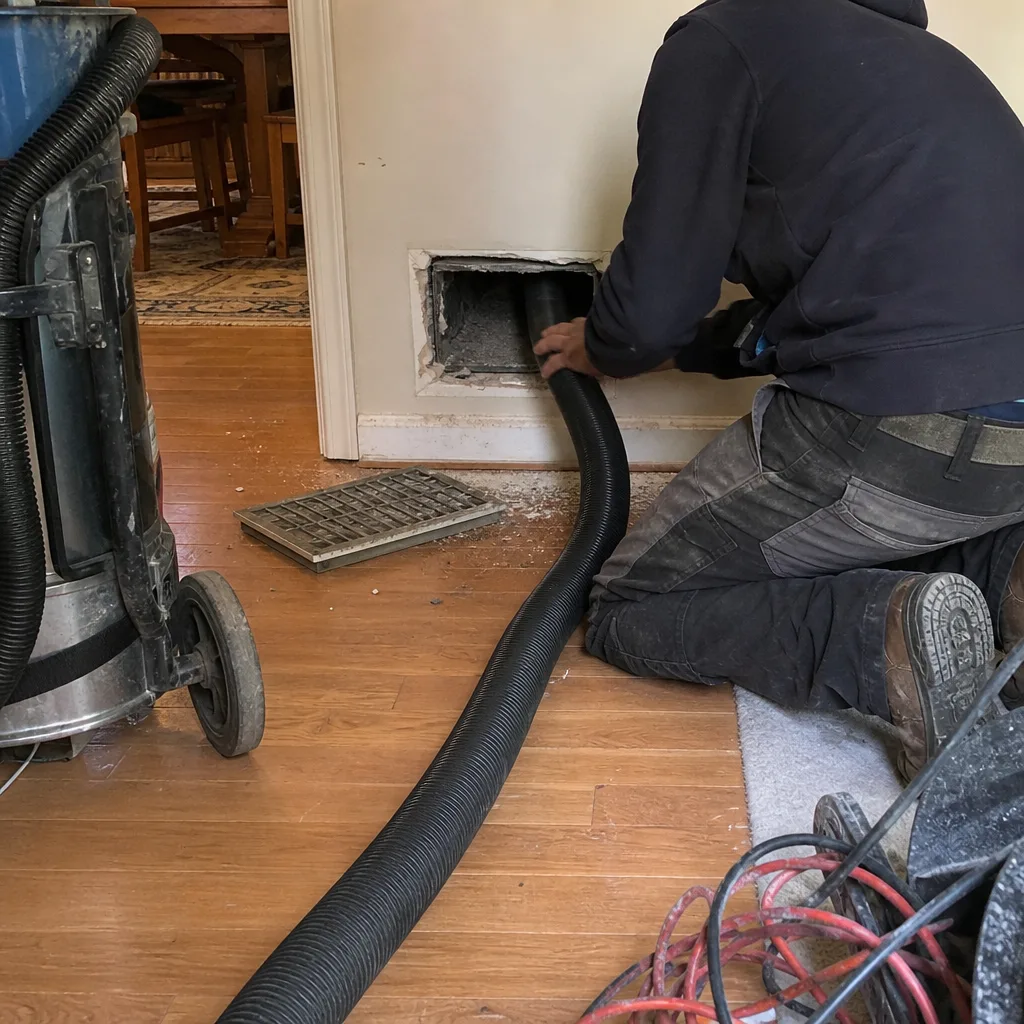 Before
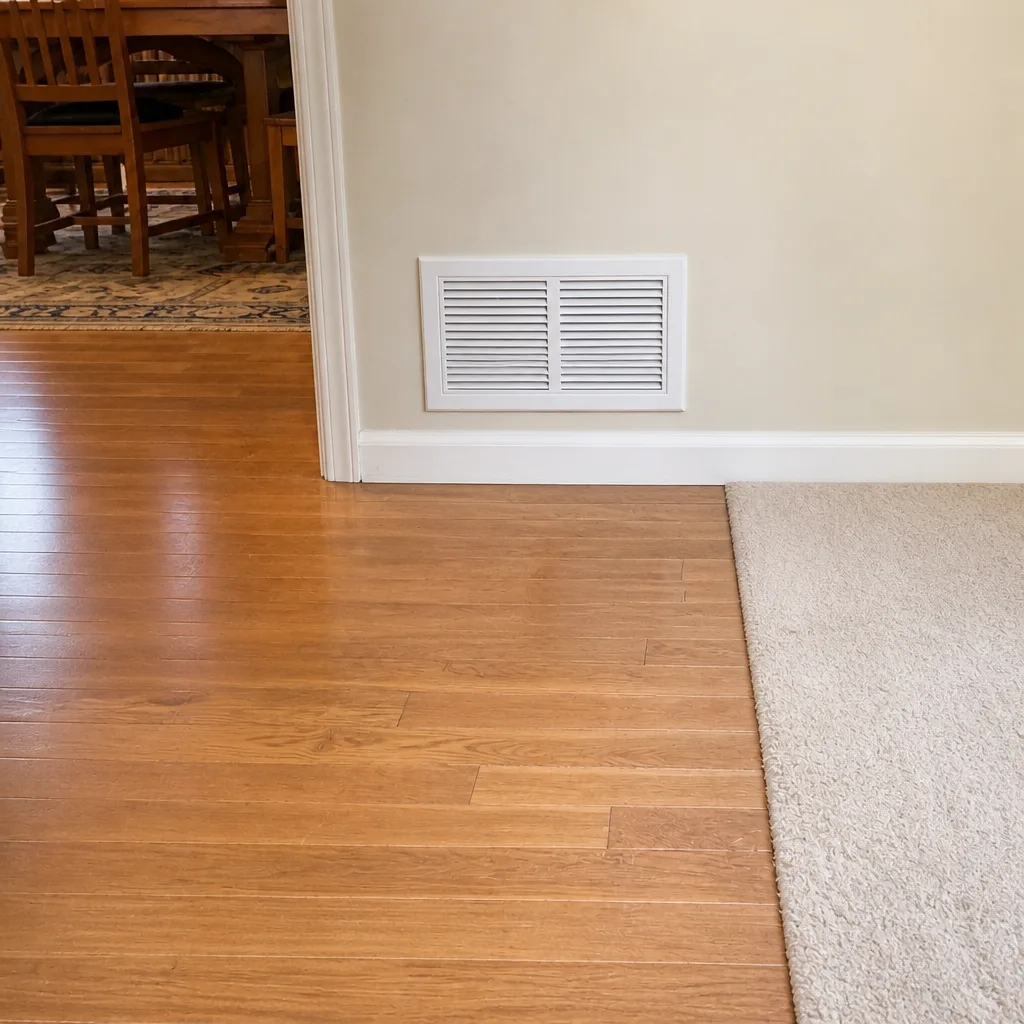 After
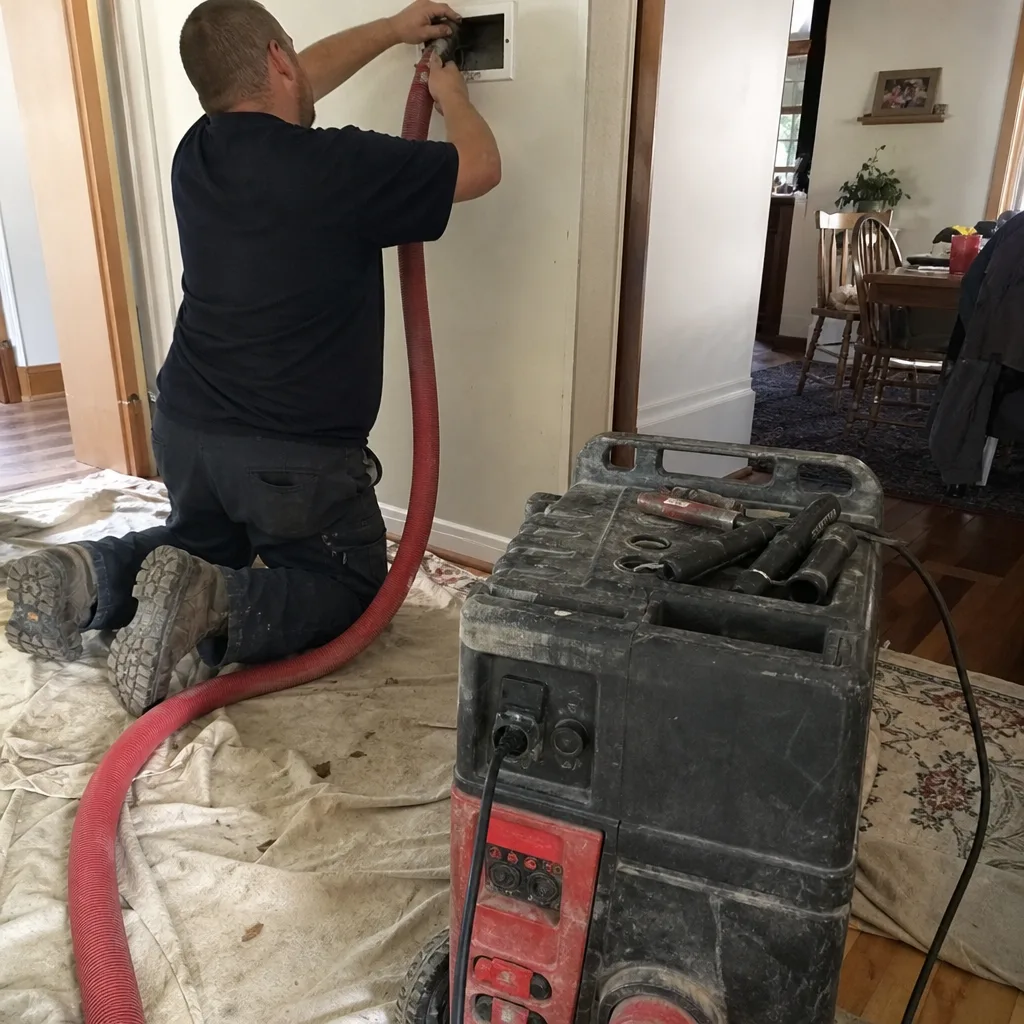 Before
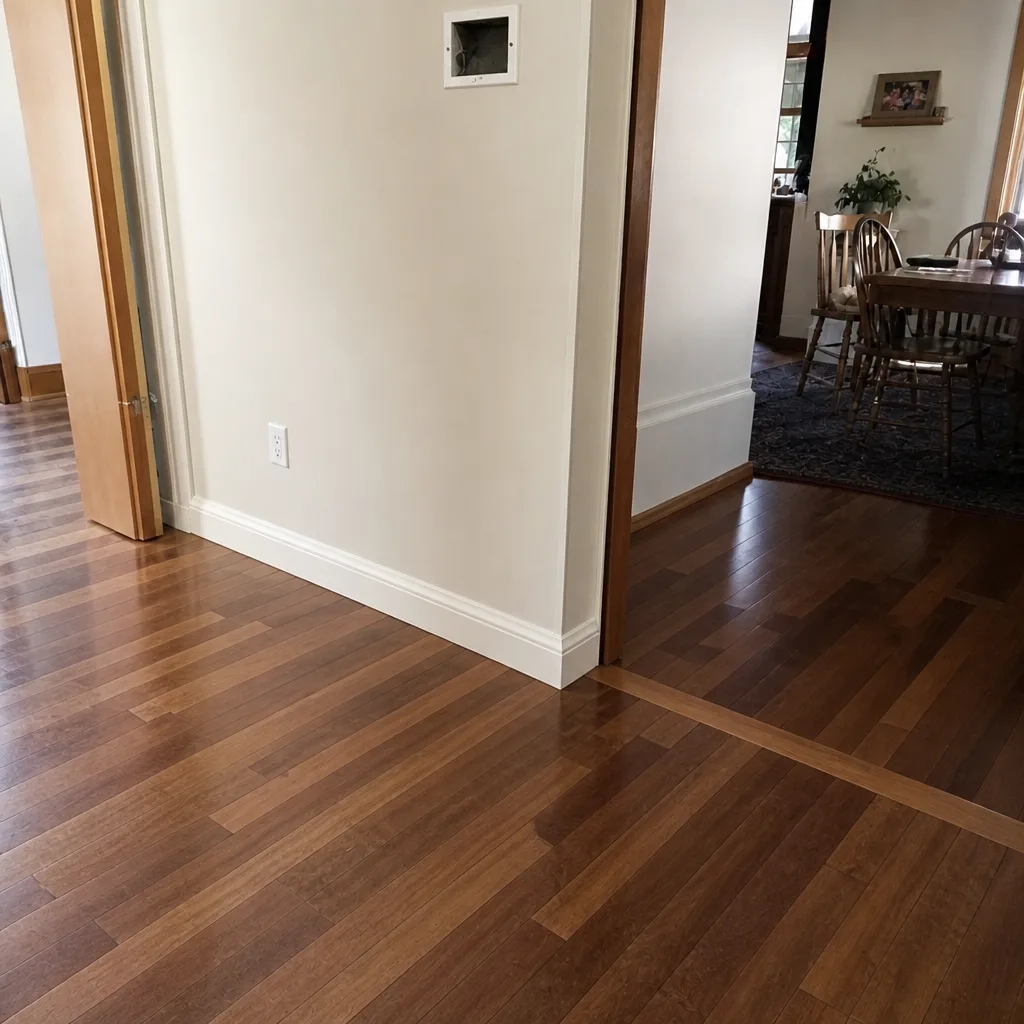 After
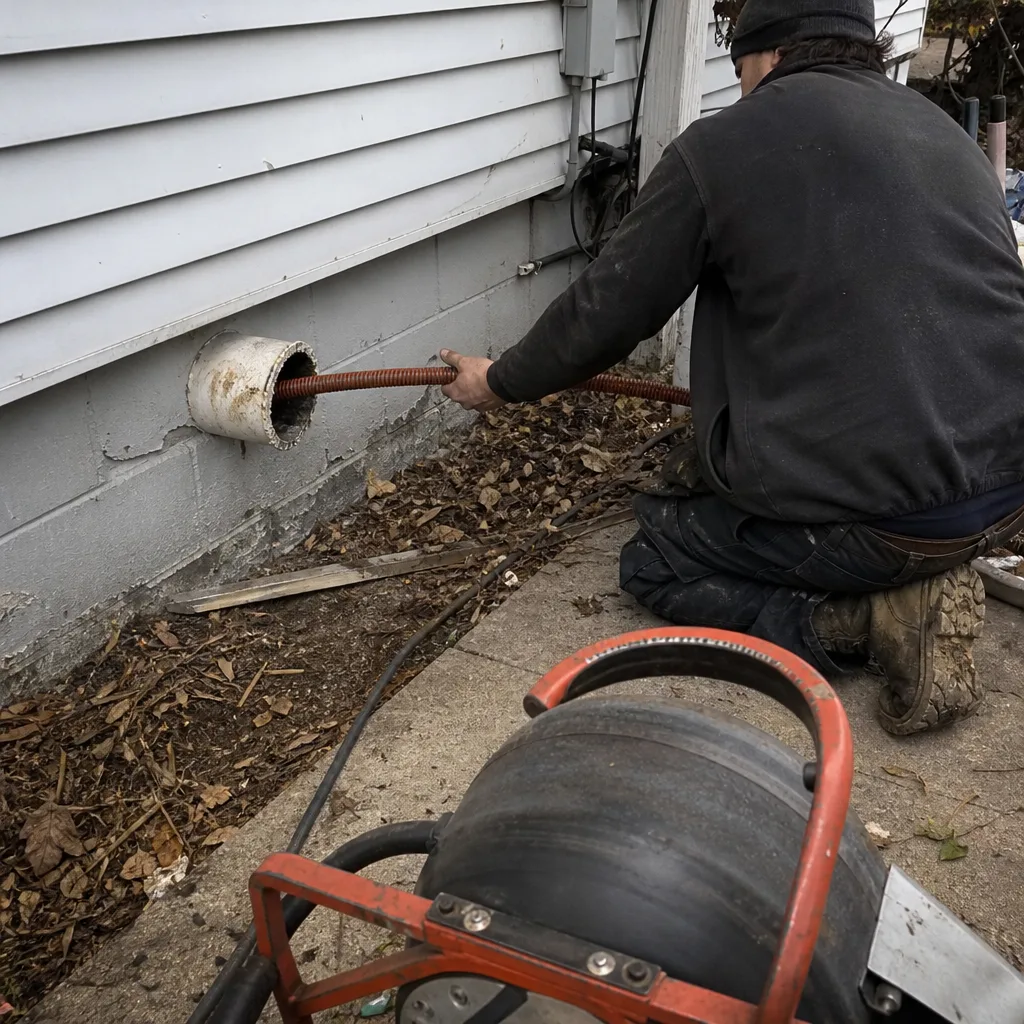 Before
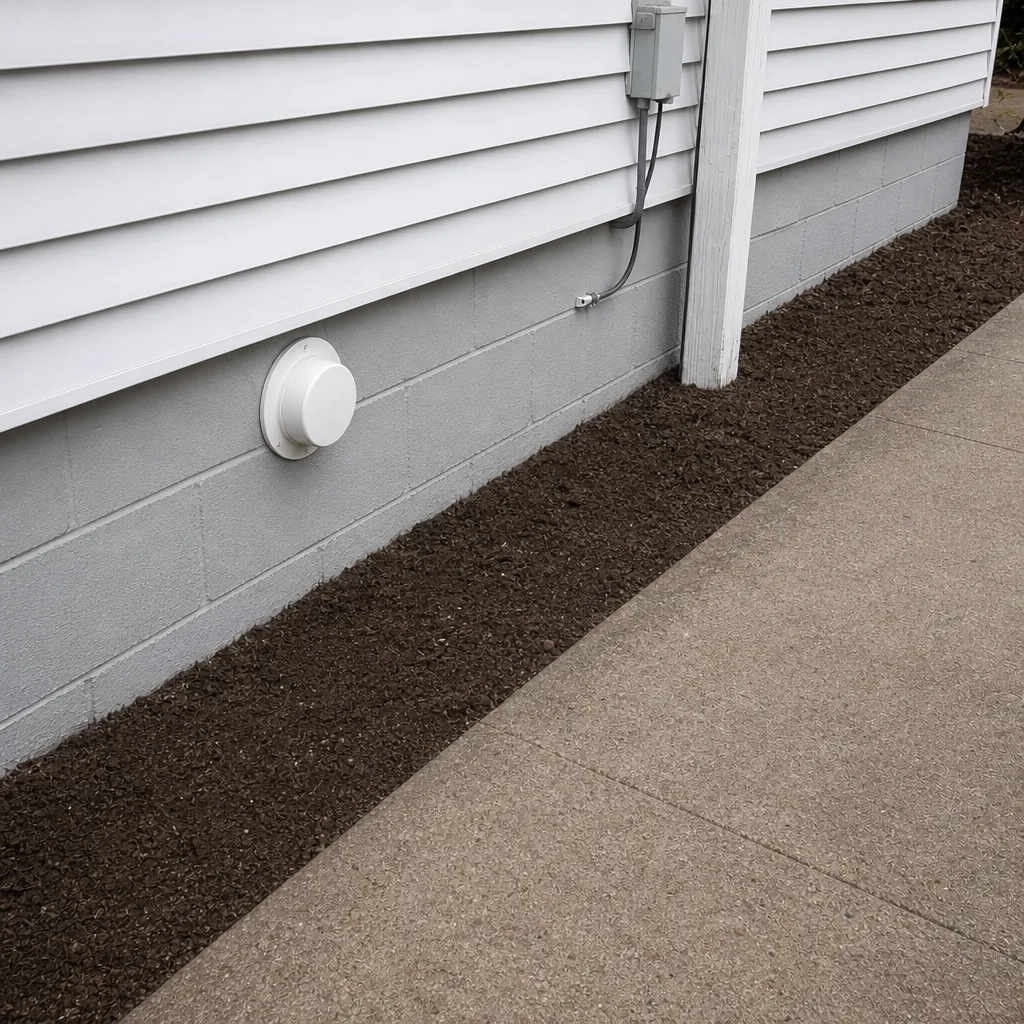 After
When to Call a Professional
Call a professional when you can see or smell a problem that comes back after cleaning. Visible dust streaming from registers, a musty odor that appears when the system kicks on, visible mold or moisture in the ductwork, rodent activity, or a system that’s been running post-renovation through dust-heavy air – those are all conditions a trained technician should evaluate. The same goes for older Milwaukee homes where the ductwork has visibly disconnected joints or crushed flex runs; that’s a repair matter, and a cleaning crew that ignores it will only stir up whatever the damage has been collecting.
Don’t call for a routine cleaning just because a coupon arrived in the mail. Call when you want to understand what’s actually happening inside your system. Whitman Air Duct Cleaning offers free estimates in Milwaukee – call (866) 729-3894. We answer 24/7. Fast dispatch from 7am to 7pm, Sunday through Friday.
Frequently Asked Questions
Most Milwaukee homes land between $350 and $700 for a whole-system cleaning, with larger homes or more complex systems reaching $900 or more. The final number depends on square footage, the number of supply and return runs, access difficulty, and the equipment class being used. Call (866) 729-3894 for an exact quote – estimates are free, and the written estimate sets the final price.
Almost always because the scope is smaller than the ad implies. A $199 teaser price typically covers a limited number of vents, leaves the return trunk and air handler out of scope, and arrives with a portable vacuum rather than truck-mounted negative pressure. The final invoice at the door often matches or exceeds a properly scoped quote from a professional company. Ask about run count, return scope, and equipment before deciding.
Ask for before-and-after photos of your own ductwork, taken inside the system. A professional contractor can show you what was inside the branch runs before the job and after. If a contractor can’t or won’t provide photos of your own system, that’s a sign the work either wasn’t done or wasn’t worth showing. Call (866) 729-3894 for an exact quote – estimates are free.
Sometimes, yes. Homes built before the 1960s often had ductwork added or extended over the years, which means irregular run configurations, mixed materials, and tight access behind finished basement ceilings. Each of those adds labor time and equipment setup. A quote that doesn’t reflect your home’s actual access is priced too low to be accurate, or too vague to be trusted.
For a whole-house cleaning, yes – a truck-mounted negative-pressure system pulls far more air through the ductwork and captures more loosened material than a portable unit. Portable systems have legitimate uses for spot work or small systems, but they’re not the right tool for a full residential cleaning. Ask what equipment the contractor is bringing before you schedule.
Most homes don’t need a fixed cleaning schedule. Duct cleaning is worth doing after renovation work, after a move into a home with prior pets or smokers, when visible dust streams from registers, when there’s a musty smell in the system, or when pest activity has been identified. A well-maintained home without any of those conditions may not need cleaning for many years. Call (866) 729-3894 for an exact quote – estimates are free.
The Bottom Line
The gap between a $199 quote and a $650 quote on the same house isn’t profit – it’s scope. Compare any two duct cleaning estimates in Milwaukee on four things: the actual number of supply and return runs being cleaned, whether the air handler and return trunk are in scope, what equipment class is being used, and whether the price is one flat number per system in writing or a per-vent total that grows at the door. Add-ons have their place when a real condition supports them, and skip them when they don’t. Old Milwaukee housing usually means more labor hours than the square footage suggests – and a legitimate estimate will say so. One flat price per system, agreed before work starts, with before-and-after photos of your own ducts, is the standard to hold every contractor to. If you want to know what your system actually needs, Whitman Air Duct Cleaning gives free estimates across Milwaukee and the surrounding area.
Call (866) 729-3894 for a free estimate. We answer 24/7. Fast dispatch from 7am to 7pm, Sunday through Friday. Our technicians have up to 11 years of experience, and we use Rotobrush, Nikro, and Abatement Technologies equipment on every job.
Written by the team at Whitman Air Duct Cleaning.