
Last updated November 15, 2026
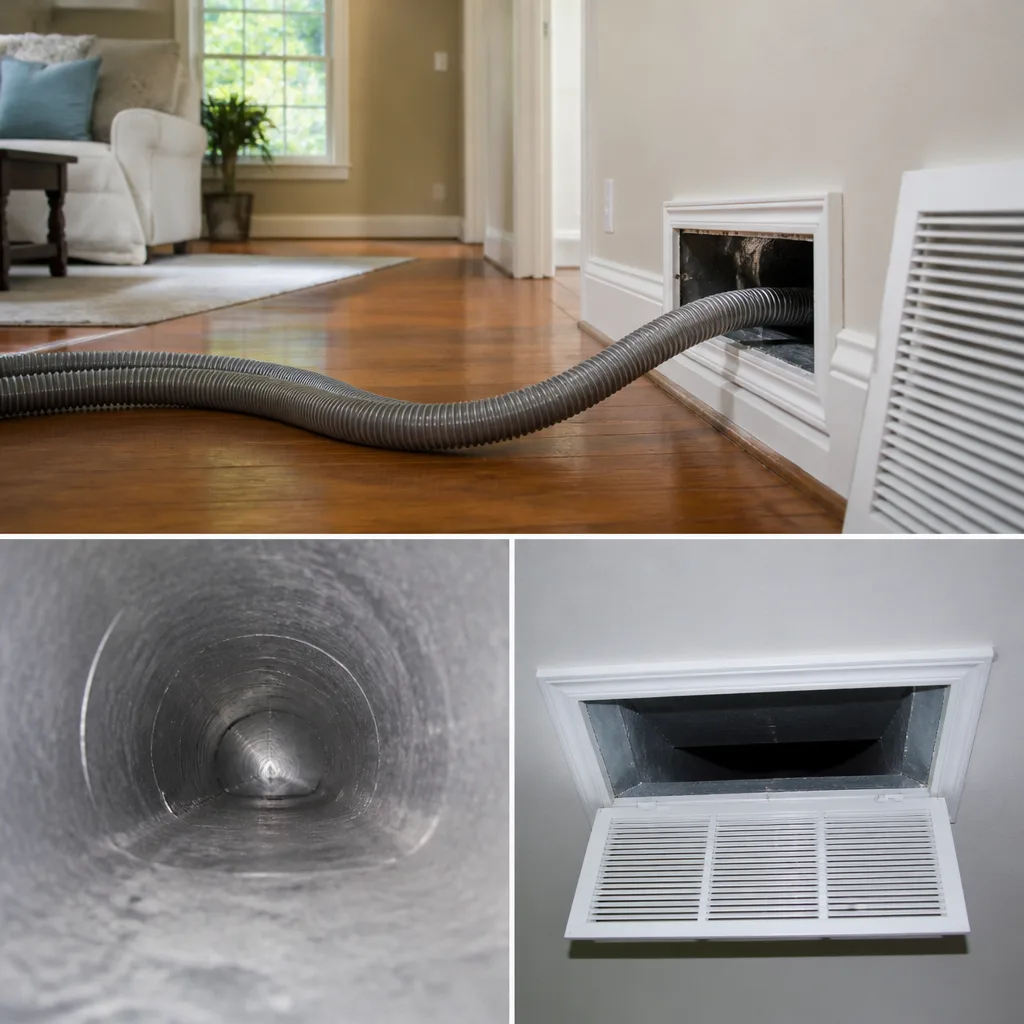 Whole-home duct cleaning
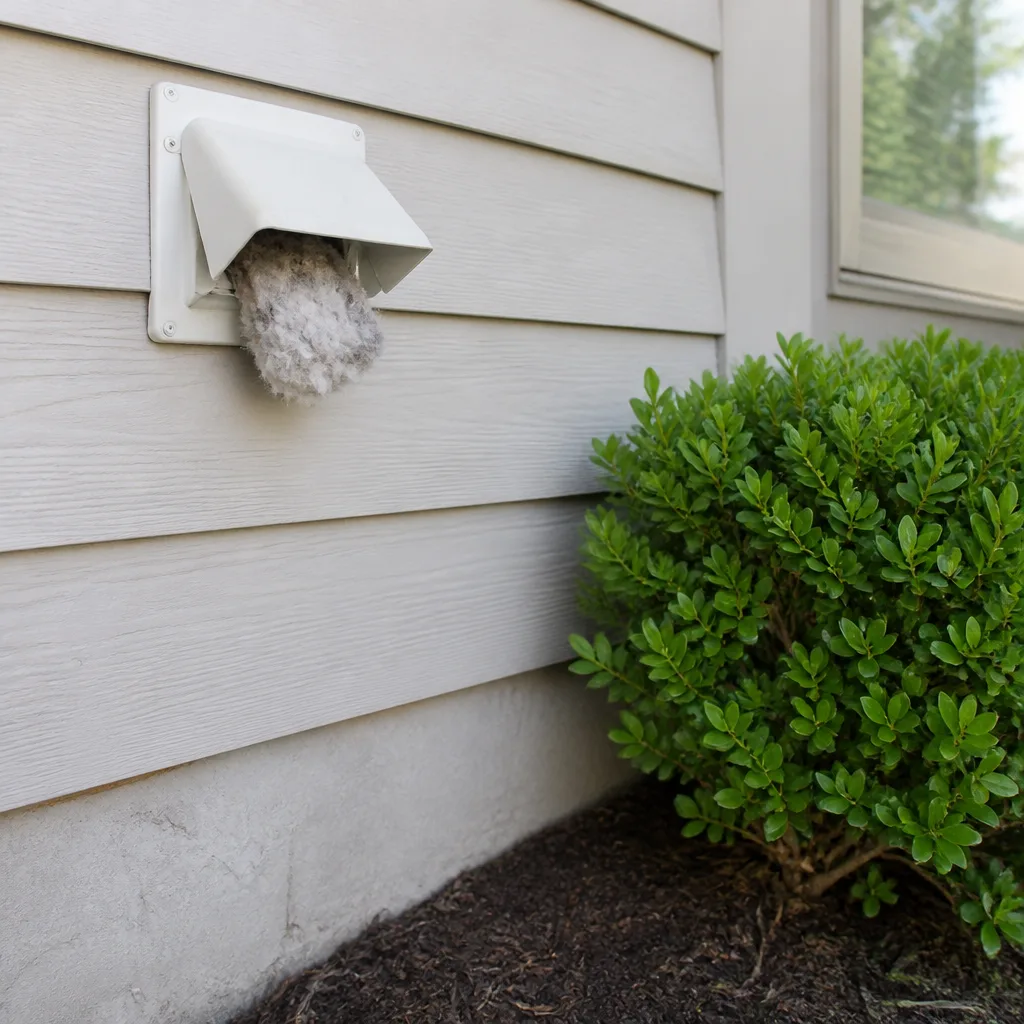 Dryer vent cleaning
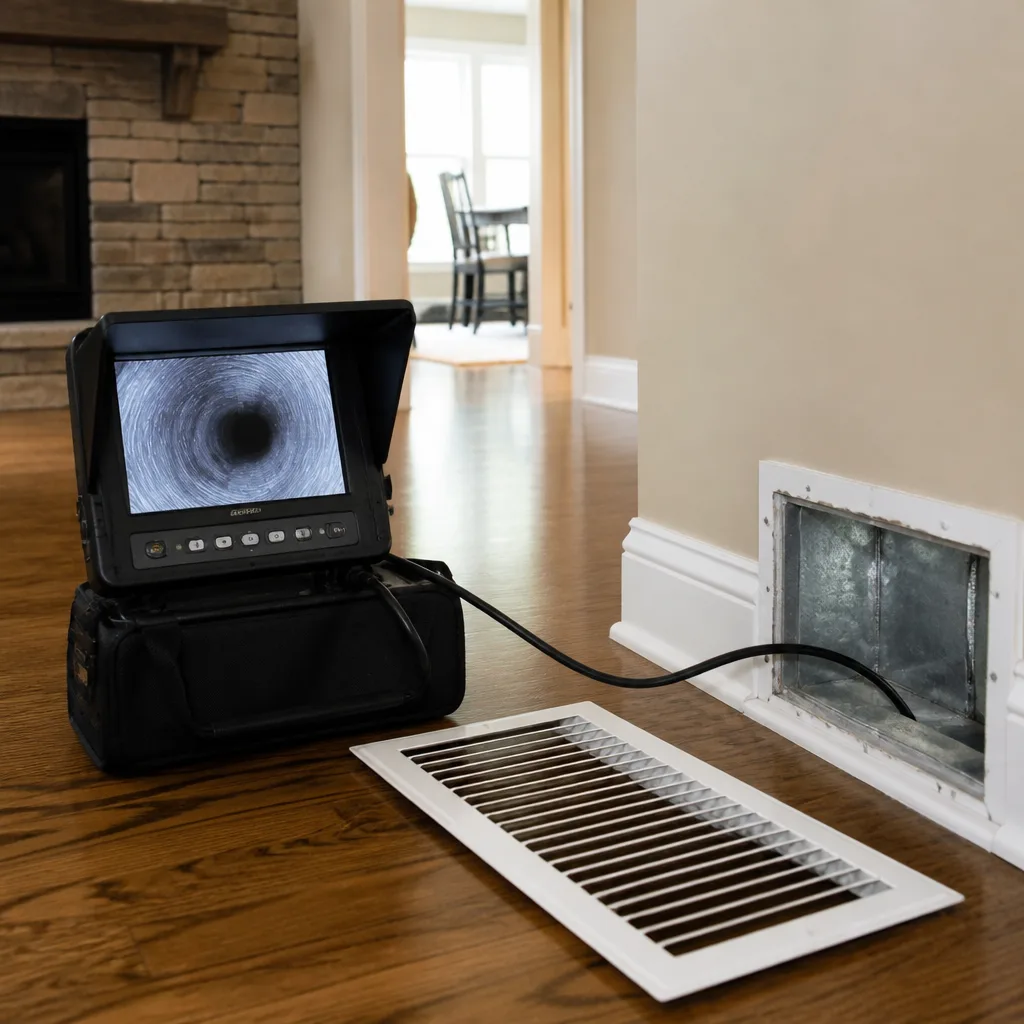 Camera inspection
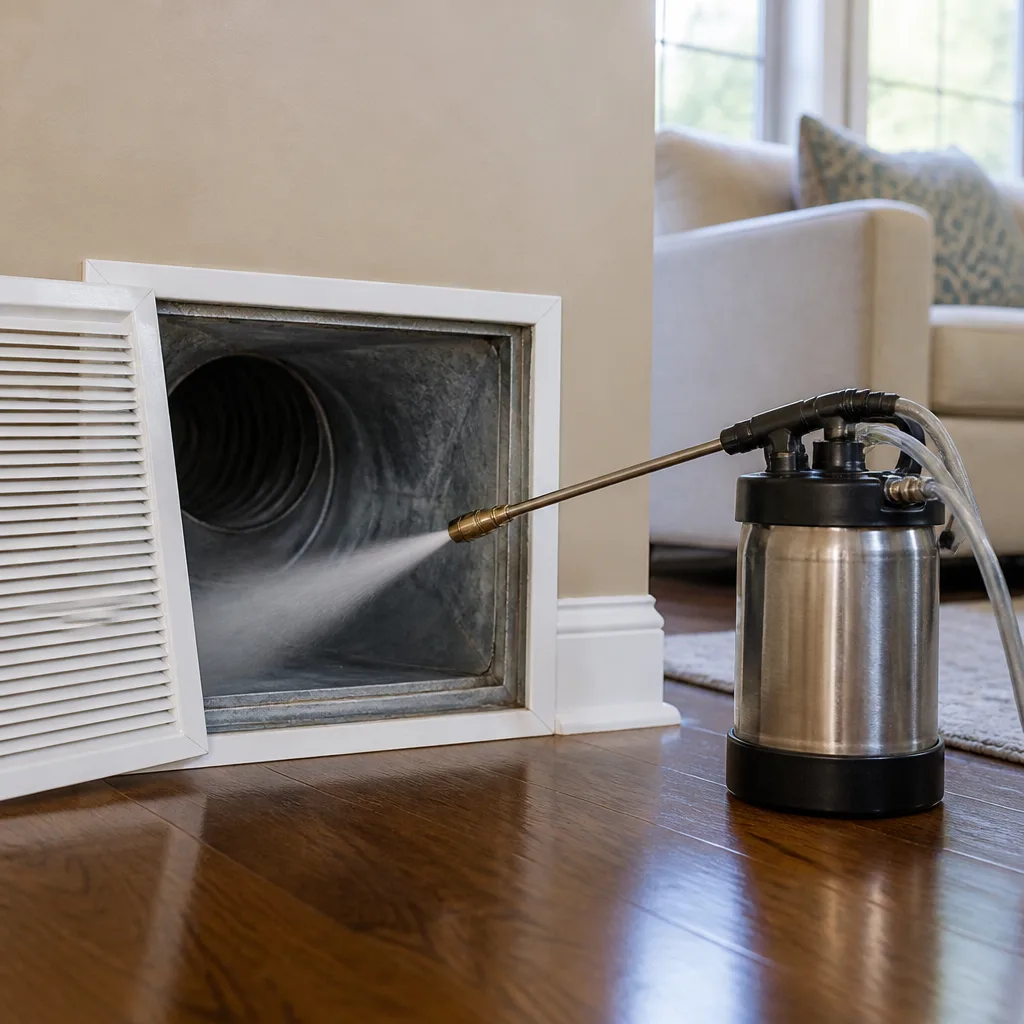 Sanitizing & deodorizing
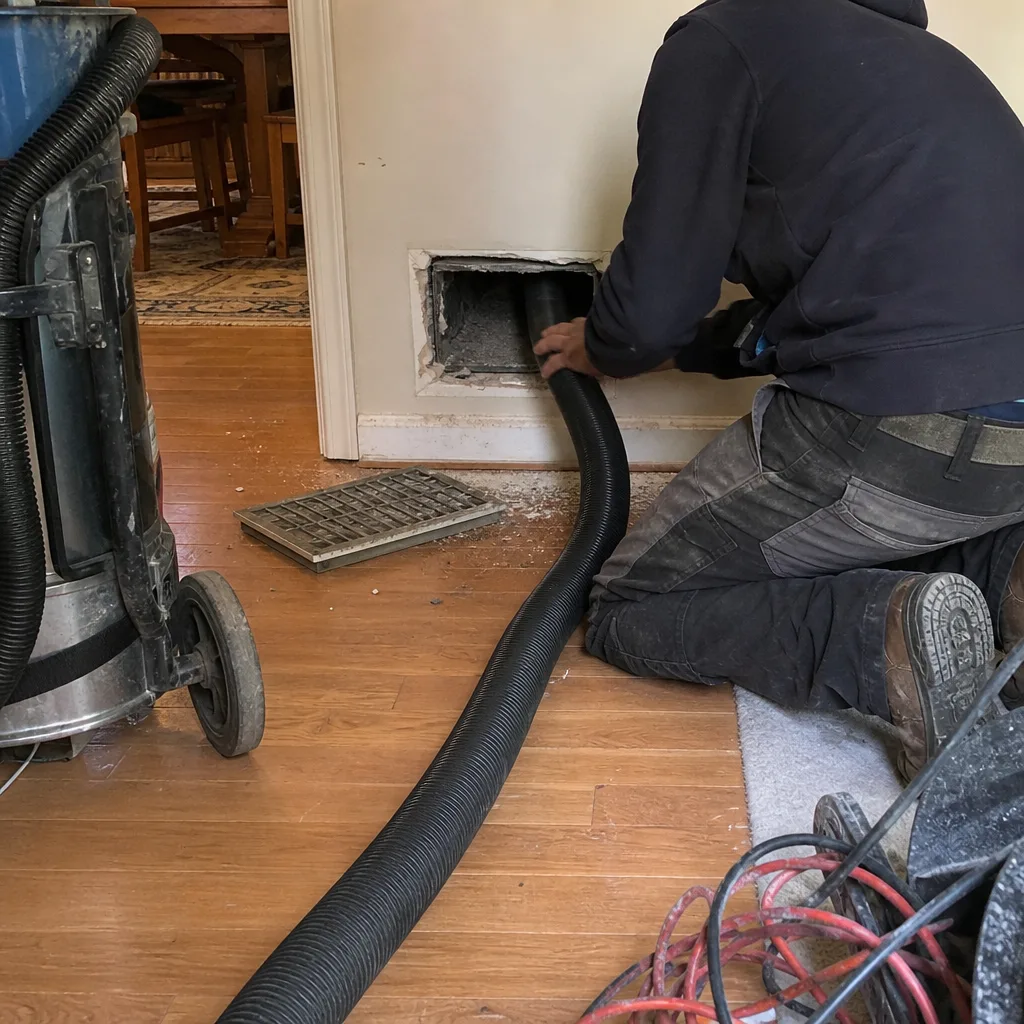
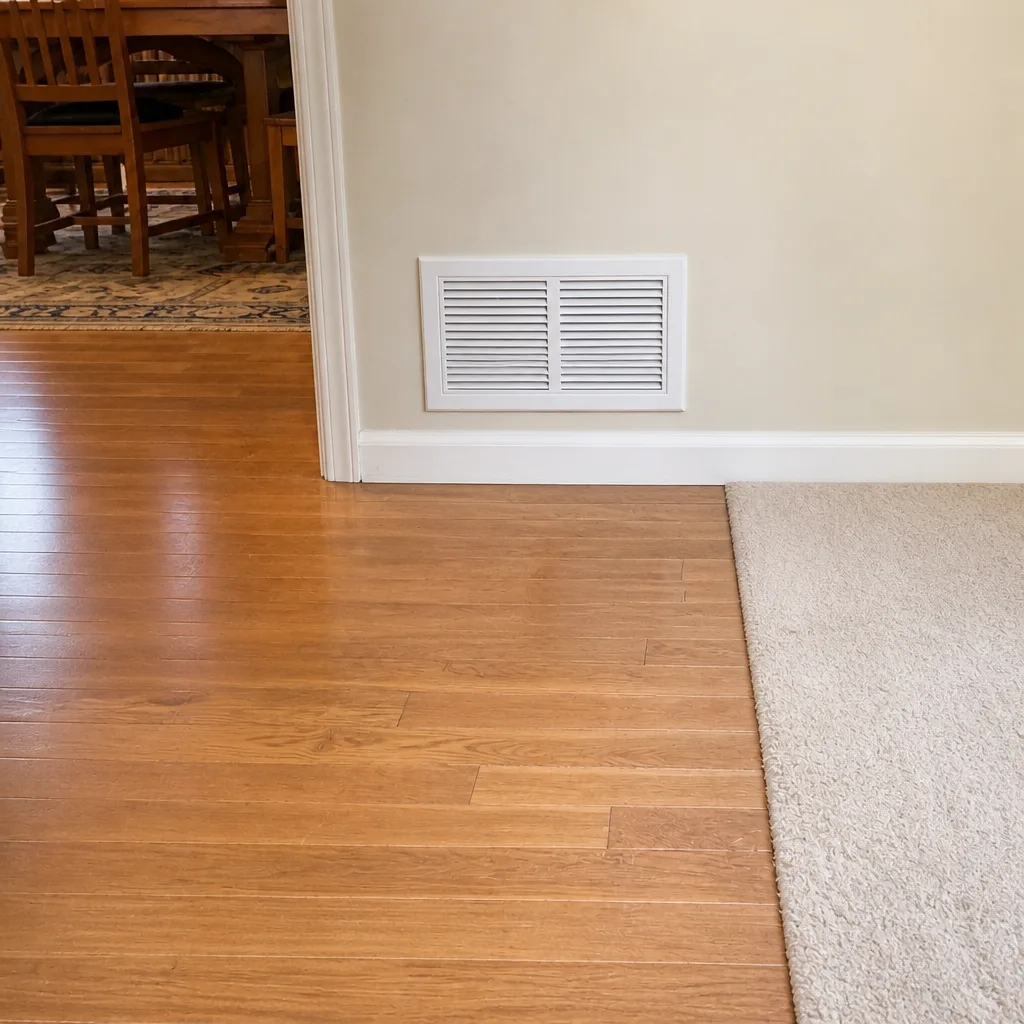
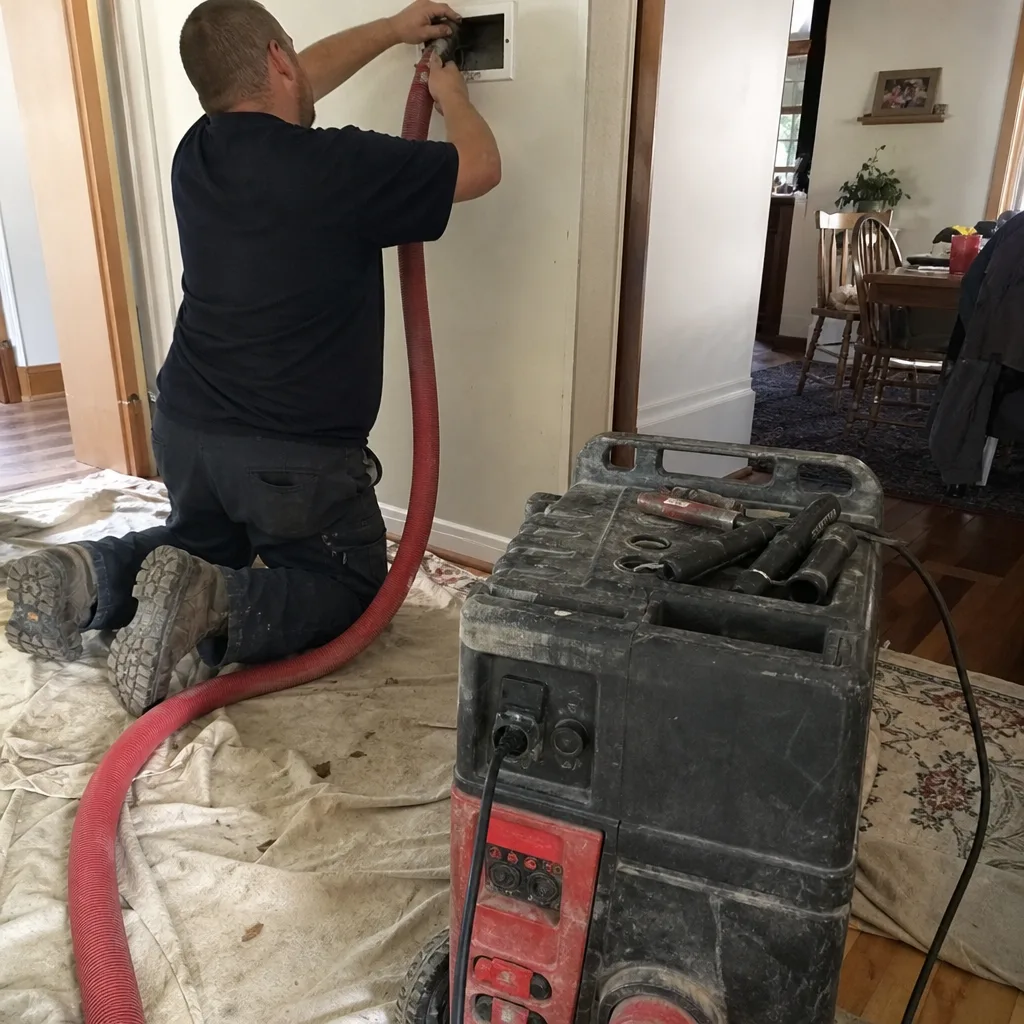
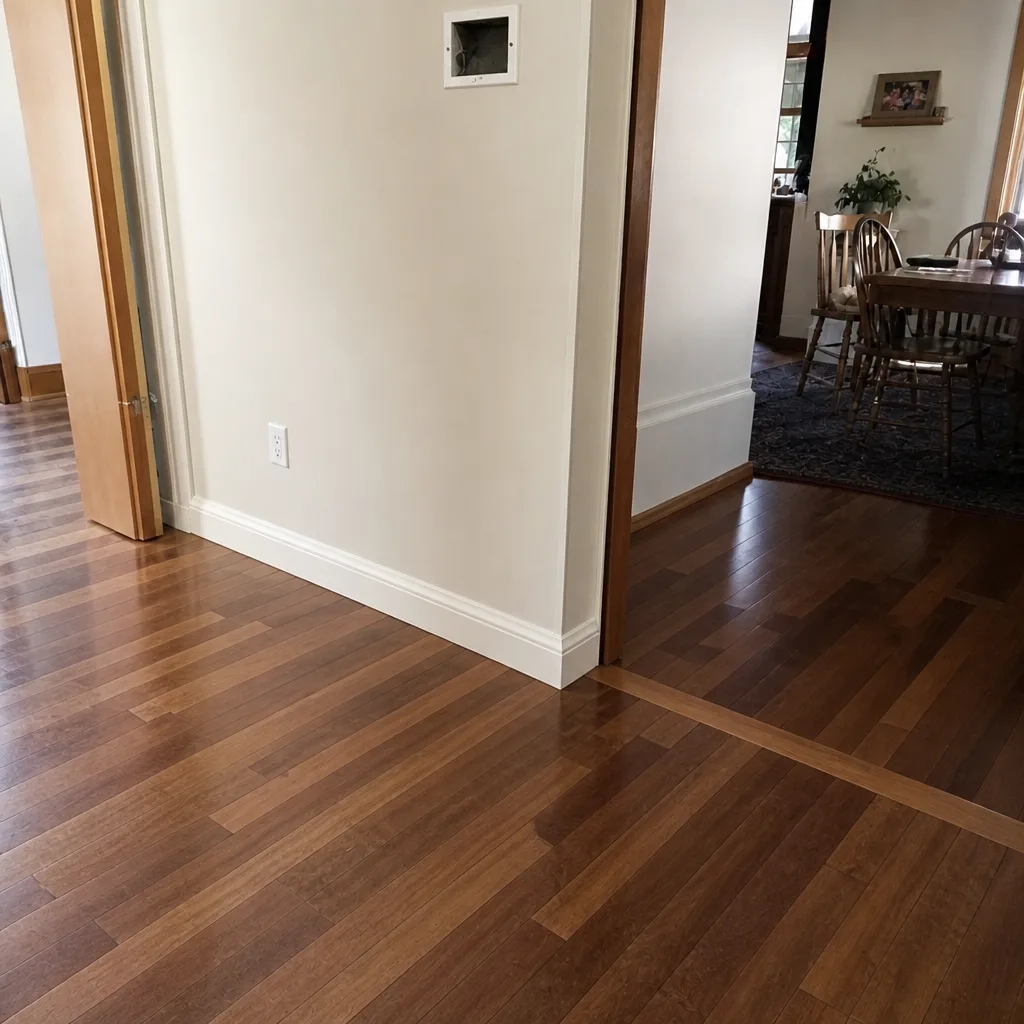
Whole-system duct and dryer vent check with before-and-after photos - you see exactly what came out of your vents
That "$99 whole-house special" is a bait ad - the real number appears once they are in your hallway, or the "clean" is a shop-vac at the register. We photograph the inside of your ducts before and after instead.
Air Duct Cleaning Maintenance Schedule: What to Do and When
The most-quoted line in this trade is the EPA’s guidance to clean air ducts “as needed.” That advice is sound, and it’s also nearly useless on its own, because it was written before duct camera inspection became routine. You no longer have to guess whether your ducts need work. A technician can put a camera inside the trunk line and show you the inside of your own system. That changes the whole question from “how often” to “how do I know when.” This guide replaces the blunt every-three-to-five-years rule with a framework built around the conditions that actually move the number for a Milwaukee home: pets, renovation dust, older duct construction, and winter humidity. You’ll learn how to set your own interval, what to do between cleanings, and how to use an inspection report as a baseline you can compare against later.
Quick Answer
Most homes in Milwaukee should have their ducts cleaned every three to five years, but that range is a starting point, not a rule. Households with shedding pets, recent renovation work, smokers, or allergy sufferers often need cleaning every two to three years, and homes with visible debris, pest activity, or deteriorating duct seals may need it sooner. The right interval for your house depends on a short list of conditions you can check yourself, then confirm with a camera inspection.
Styles & brands we work with
- Whole-home duct cleaning
- Dryer vent cleaning
- Camera inspection
- Sanitizing & deodorizing
Table of Contents
- Why the Generic Schedule Falls Short
- The Condition Checklist That Sets Your Real Interval
- What to Do Between Professional Cleanings
- Using a Camera Inspection Report as Your Baseline
- Why Filter Upgrades and Duct Sealing Extend the Interval
- Seasonal Timing: Why October Is the Highest-Value Window in Milwaukee
- When Cleaning Isn’t Enough: Duct Repair Decisions
- A Simple Maintenance Schedule You Can Follow
Why the Generic Schedule Falls Short
Every three to five years is the number you’ll see repeated across the industry, and it exists for a reason: it’s a reasonable average. The problem is that averages hide the outliers, and most homes are outliers in one direction or another. A household with two golden retriets and a recent kitchen remodel is not on the same schedule as a two-person household with no pets and original ductwork. Treating them the same is how people end up either over-cleaning and wasting money or under-cleaning and living with a system that’s slowly loading up with debris.
There’s a second problem with the fixed-interval approach. Debris accumulation isn’t linear. Ducts don’t fill at a steady rate; they reach a tipping point where dust and debris begin to restrict airflow, and airflow restriction is what actually causes the downstream problems: higher energy bills, uneven room temperatures, and a system that has to work harder to move the same air. Once you’re past that point, waiting another year doesn’t just mean more debris. It means more strain on the blower and more opportunity for the debris to become airborne in your living space.
In our experience working in Milwaukee homes, the condition of the duct system matters more than the calendar. Old galvanized ducts in a pre-war home on the east side can shed internal debris as the metal ages. Newer flexible duct runs in a suburban build can collect dust differently depending on how they were routed and sealed. A camera inspection tells you which situation you’re in. That’s why we treat the inspection as the starting point for the schedule, not an upsell tacked onto the end of a cleaning.
The Condition Checklist That Sets Your Real Interval
Before you accept any cleaning interval, run through the conditions below. Each one that applies to your household shortens the recommended interval. Each one that doesn’t apply lets you stretch it. The goal isn’t to talk you into cleaning more often; it’s to find the honest number for your house so you’re not guessing.
Pets that shed. One dog or cat moves the interval from three-to-five years down to roughly two-to-three. Two or more heavy shedders, especially double-coated breeds, can justify cleaning every two years. Pet dander is fine enough to pass through standard filters and settle in the duct walls where it becomes a food source for dust mites and a reservoir for odors.
Smokers in the home. Tobacco smoke leaves a residue that coats duct surfaces and holds onto other debris. Households with indoor smoking should lean toward the shorter end of the range regardless of how clean the system looks at the registers.
Recent renovation or ongoing construction. Drywall dust, sawdust, and insulation fibers are the single biggest short-term load a duct system can take on. If you’ve finished a remodel in the last year or are living through one now, plan a cleaning once the dust has settled. Renovation-heavy households often need cleaning on a two-year rhythm.
Allergy or asthma symptoms in the household. If occupants notice symptoms that track with the heating and cooling season, that’s a signal worth acting on. We won’t promise a cleaning will cure anything, but removing accumulated debris and allergens is a reasonable step when symptoms correlate with system use.
House age and duct construction. Homes built before the 1970s may have duct systems that weren’t sealed to modern standards, which lets debris in from unconditioned spaces. Older galvanized metal can also corrode and flake internally. Both conditions call for closer inspection and a shorter interval.
Visible signs at the registers. Streaking around grilles, debris falling out when the system kicks on, or a musty smell when the furnace runs are all indicators that the system is past due. Combine any two of these and it’s time for an inspection regardless of when you last cleaned.
Water intrusion or high humidity. Any past water event near the air handler or duct runs below grade in Milwaukee is a reason to inspect for moisture and microbial growth. If you’ve had a basement leak or sump backup that reached the ductwork, get it checked rather than waiting for the calendar.
What to Do Between Professional Cleanings
The work that happens between cleanings determines how far the next cleaning can be pushed. Three things matter most: filtration, humidity control in winter, and return grille inspection.
Filtration. This is the biggest lever you have. A cheap fiberglass filter that you can see light through is doing almost nothing to keep the ducts clean. Step up to a pleated filter rated MERV 8 to MERV 11 for most residential systems, and change it on a schedule tied to how dirty it actually gets, not the number on the box. In a Milwaukee home with pets, that often means every 60 to 90 days during heavy heating and cooling; a household with no pets can often stretch to 90 days. If you’re running a filter system from Honeywell or Aprilaire, follow the manufacturer’s replacement interval for that specific unit, and make sure you’re buying the correct size, because a filter that doesn’t seat fully lets air bypass around the edges and defeats the purpose.
Winter humidity. Milwaukee winters are dry, and furnace air is drier still. If you run a whole-home humidifier, keep the setpoint reasonable: high enough to be comfortable, low enough that you don’t get condensation on cold windows. Excess moisture in winter is a real duct problem because it can drive condensation inside duct runs in cold attic or crawl spaces, which is where mold issues start. If you’re not sure what your humidistat should be set to, ask us on the call; we’ll give you a practical range for your house.
Return grille inspection. Once a season, pull the return grilles and look inside with a flashlight. You’re checking for visible dust matting, debris that’s fallen in, and any sign of moisture. A shop vacuum with a brush attachment can handle the surface of the grille itself, but don’t reach into the duct run; leave that to the equipment designed for it. If you see something that concerns you, take a photo and send it along with your question.
- Change or check the filter on a fixed schedule and mark the date on the filter frame with a marker.
- Set the humidistat for winter and leave it; don’t chase comfort by cranking humidity up and down.
- Inspect return grilles with a flashlight once each season and clean the grille faces only.
- Note any musty smells, new dust at the registers, or airflow changes in a notebook or on your phone.
- If you’ve had water intrusion near the air handler, don’t wait for the schedule; call for an inspection.
Using a Camera Inspection Report as Your Baseline
The most useful thing you can get from a cleaning isn’t just a cleaner system; it’s a record of what the system looked like when it was clean. A camera inspection before and after the work, with photos and a written summary of what was found, gives you a document you can compare against the next time you have the ducts opened up. Without that baseline, every future technician is guessing, and you have no way to judge whether “your ducts are terrible, you need to clean every year” is an honest assessment or a sales pitch.
Here’s what a useful baseline report should include: the date, the condition of each main trunk and branch run, any areas of visible debris accumulation, the condition of the duct seams and connections, whether the system has been sealed, and the condition of the air handler and evaporator coil. Ask for photos of the inside of the duct at each major location before and after cleaning. A report without photos is much less useful because you can’t verify anything yourself. A report with clear before-and-after images of your own system is something you can hold up to the next company that comes through.
When you do call Whitman Air Duct Cleaning, we use equipment from Rotobrush and Nikro, which are purpose-built duct cleaning systems used by contractors who do this work seriously, and Abatement Technologies equipment for negative-air containment during the job. That containment matters for the report as much as for the cleaning: it keeps the debris we’re removing from migrating into the living space while the work is happening, which means the “after” photos actually show the system in a clean state. We can walk you through what the photos show and what the comparison tells you, so the report becomes a real document for your household rather than a receipt you file away and forget.
Why Filter Upgrades and Duct Sealing Extend the Interval
Two upgrades after a cleaning can meaningfully stretch the next cleaning interval: a better filtration setup and duct sealing. Both address the same underlying issue, which is that uncleaned and unsealed ducts take on debris faster than a well-filtered, sealed system does.
Filtration upgrades. If your system can handle it, a higher-MERV pleated filter catches finer particles than the basic fiberglass panel and keeps them out of the ductwork entirely. For homeowners who want more, whole-home systems from brands like Honeywell and Aprilaire can integrate with your existing HVAC and deliver better filtration and humidity control without the noise and clutter of standalone units. We work with both brands and can talk through what fits your system and your budget. The important constraint is not to over-restrict airflow; a filter that’s too dense for your blower can cause its own problems, so the upgrade has to match the system. That’s a conversation and not a product spec, which is why we want to see the system before recommending anything.
Duct sealing. Leaky duct connections in unconditioned spaces, which describes a lot of Milwaukee attic and crawl space runs, pull in dust from outside the system and pull conditioned air out of the house. Sealing those leaks, which is part of what our air duct repair service covers, does two things at once: it keeps outside debris from entering the ducts, and it lets the filter do its job because the airstream inside the duct is where you expect it to be. After a cleaning and a sealing pass, a household that was cleaning every two years can often push toward three or four. The improvement isn’t miraculous; it’s just that the system is now behaving the way it was designed to.
Our air duct repair service is a distinct part of what we do, and it’s worth saying plainly: many duct cleaning companies don’t offer repair at all. We do, because cleaning a system with broken seams or disconnected runs just moves the problem around. When we’re inside the system, we can see what needs fixing and quote it as part of the work rather than sending you to find another contractor.
Seasonal Timing: Why October Is the Highest-Value Window in Milwaukee
When you clean matters almost as much as how often. In Milwaukee, October is the highest-value cleaning window for most homes, and the reasoning is straightforward. By October, the cooling season is over and the heating season is about to begin. You’re not cleaning a system that will immediately load back up with summer dust and pollen; you’re cleaning it and then handing it a full winter of use with a fresh interior. The system is about to run constantly for months, and you’d rather it move clean air than a season’s worth of accumulated debris.
There’s a practical angle to autumn timing too. Furnace service and furnace replacement work tends to back up as the heating season approaches, and getting duct work done before the cold sets in means you’re not coordinating with contractors on a rushed schedule. Homeowners who schedule ahead of October, or early in the month, have more flexibility than those who call in November.
The spring window matters too, though for different reasons. If the household has pets and high dust loads, a cleaning in April after the heating season has run for six months is useful, especially if you’re heading into an allergy season and want the system clean before you’re running windows and the A/C together. Households that clean in spring often do fine stretching the next cleaning to the following spring or the following fall, depending on conditions.
The winter window in Milwaukee is mostly about maintenance rather than cleaning. Keep the filter changed, watch the humidistat, and pay attention to any musty smell when the furnace runs. If something comes up in the middle of a cold snap, you don’t need to wait for a “good month” to call; you need to know what’s going on. If you’re a property manager with multiple units across the Milwaukee area, staggering cleanings across properties in spring and fall keeps your maintenance schedule manageable instead of trying to schedule every unit in one month.
When Cleaning Isn’t Enough: Duct Repair Decisions
Some system problems look like cleaning issues but aren’t. If your airflow problems persist after a cleaning, or if you’re seeing dust streaks at every register again within a few months, the duct system itself may be the problem. Common culprits include disconnected flexible duct runs in attics and crawl spaces, seams that have opened up over time, and duct insulation that’s been damaged by rodents or moisture. Cleaning those ducts is futile if the debris is coming back in through a hole; fixing the hole is the actual solution.
During a cleaning, we can assess the condition of the duct runs and identify repair issues rather than ignoring them. If we find something, we quote it, and the conversation is straightforward: here’s the problem, here’s what fixing it involves, here’s the estimate. That’s one of the practical reasons to work with a company that does both cleaning and repair; you’re not moving the system back and forth between two trades who each blame the other for the problem.
The other repair-adjacent issue is dryer vent work, which is a separate service but part of the same household safety picture. A clogged dryer vent is a fire hazard, and the cleaning interval for that is shorter than for the ducts; roughly once a year for most households, and more often for heavy laundry loads or long vent runs. We handle that as its own service, and it’s worth pairing with the duct cleaning visit if both are due.
A Simple Maintenance Schedule You Can Follow
Here’s a practical schedule to run from. Adjust the numbers based on the condition checklist earlier in this guide, and let the camera inspection report confirm what you suspect.
- Baseline inspection. If you don’t have a camera inspection report from the past two years, get one. That sets your starting point and gives you a document to compare against later.
- Clean the ducts. Every three to five years for standard households, every two to three for homes with pets, renovation dust, or allergy concerns, and sooner if the inspection shows heavy accumulation or a repair issue.
- Clean the dryer vent. Every year for most households, more often if you run heavy laundry loads or have a long vent run.
- Change the filter. Every 60 to 90 days during heavy season, or per the filter manufacturer’s guidance for your specific unit. Mark the date on the filter.
- Inspect return grilles with a flashlight once each season, and note anything that changes.
- Set the humidistat for winter each October, and leave it.
- Schedule the next cleaning for the following October or spring, and put the camera report in a place you’ll find it when the time comes.
Common Mistakes to Avoid
- Treating the three-to-five-year rule as a law. The interval is a starting point, not a fixed number. A household with two shedding pets and a recent remodel is not on the same schedule as a two-person household with original ductwork.
- Cleaning without a camera inspection. If a technician can’t show you the inside of your ducts before and after the work, you have no way to judge whether the cleaning was necessary or whether it was thorough. Ask for before-and-after photos of your own system.
- Upgrading the filter without checking the system. A MERV 13 filter on a system that wasn’t designed for it can restrict airflow and cause its own problems. The right upgrade depends on the blower and the duct sizing. Ask the question before you buy.
- Ignoring the return grilles. Surface dust on a return grille is your first indicator that the system is loading up. A quick flashlight check once a season catches that before the ducts need a full cleaning.
- Cleaning ducts but skipping dryer vent cleaning. These are two different systems, and the dryer vent has a shorter interval. Skipping it because the ducts were just cleaned leaves a real safety issue in place.
- Scheduling in November instead of October. Once the heating season starts, the calendar fills and the system runs dirty for the whole winter. October gives you a clean system heading into the season that matters most in Milwaukee.
- Choosing a company on price alone. Dryer vent and duct work varies enormously in what it actually involves. Ask what equipment they’re bringing, whether they can do repairs, and whether they provide before-and-after photos. The answers tell you a lot.
See the difference
 Before
 After
 Before
 After
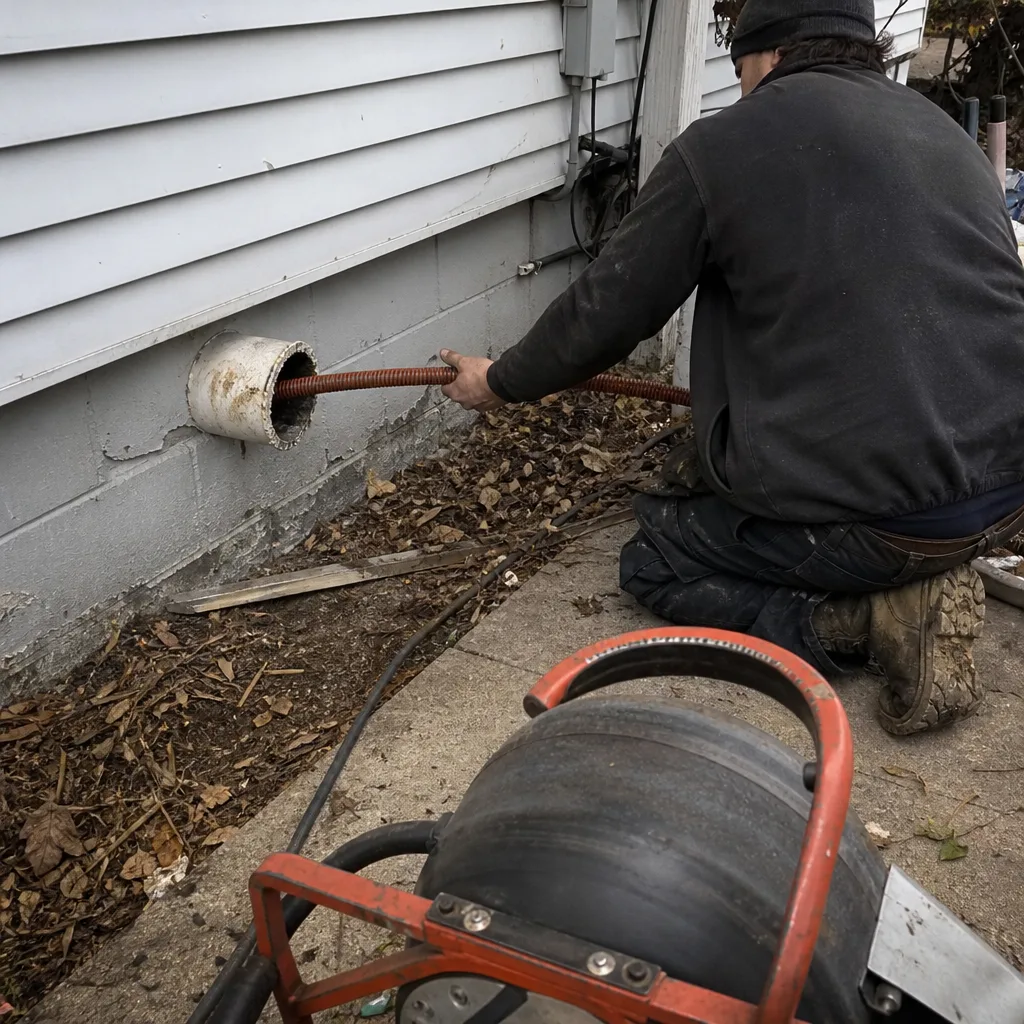 Before
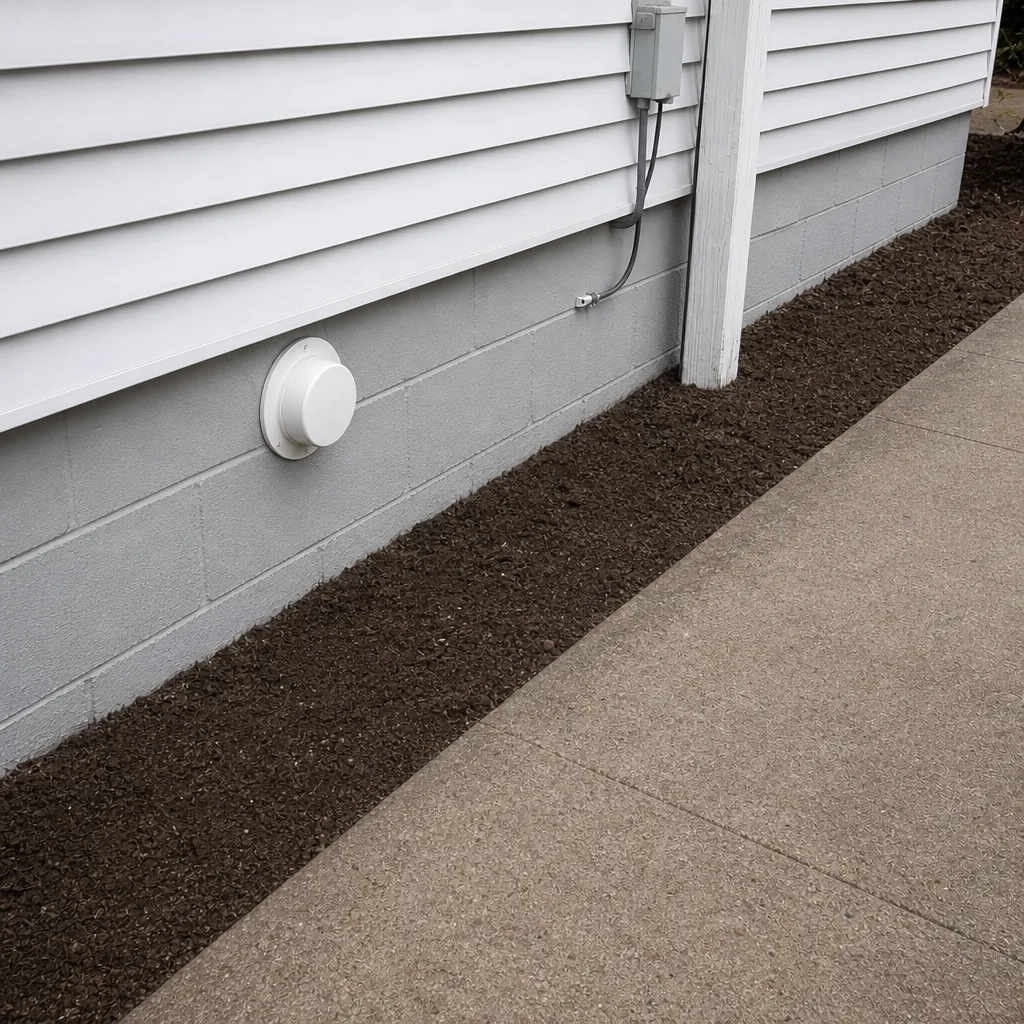 After
When to Call a Professional
Call for an inspection if you’ve never had one and the house is more than ten years old, if you see debris falling from the registers or notice musty smells when the system runs, if there’s been water intrusion near the air handler, or if you’re moving into a home with unknown history. Call for cleaning if the condition checklist points to it and it’s been three or more years. Call for repair if you’ve had a cleaning and the problems returned; that’s often a seam or connection issue rather than a cleaning one. Our technicians have up to 11 years of experience working on residential duct systems, and we do cleaning, dryer vent work, and duct repair as three distinct services. Whitman Air Duct Cleaning offers free estimates in Milwaukee – call (866) 729-3894. We answer 24/7. Fast dispatch from 7am to 7pm, Sunday through Friday.
Frequently Asked Questions
Every three to five years for most households, but that’s a starting point and not a rule. Homes with shedding pets, recent renovation work, smokers, or allergy concerns often need cleaning every two to three years, and older homes with unsealed ductwork might need it more often. A camera inspection is the most reliable way to set your actual interval. Call (866) 729-3894 for a free estimate and we’ll walk through what your system needs.
Yes, mostly in terms of when to clean rather than how often. Milwaukee winters mean the system runs heavily for months, so cleaning in October and heading into heating season with clean ducts is the highest-value timing. The cold, dry winters also mean keeping an eye on your humidistat so you don’t create condensation inside duct runs in cold attic or crawl spaces. Spring is a reasonable second window for households with pets and heavy dust loads.
No, not the ducts themselves. A shop vac and brush can clean the grille faces and the surfaces you can reach, and that’s worth doing once a season. Cleaning the inside of trunk lines and branch runs requires negative-air equipment and rotating brushes to actually remove debris rather than just dislodge it, and doing that work badly can make the problem worse. This is one of the jobs where the equipment matters as much as the effort.
Cleaning removes debris from inside the duct system. Repair addresses the physical condition of the ducts: disconnected runs, damaged seams, opened joints, insulation problems. Many duct cleaning companies don’t offer repair at all, which is why we list it as a separate service. If your airflow problems return after a cleaning or debris keeps showing up, the system likely needs repair rather than another cleaning pass.
Ask for before-and-after photos of your own ducts, taken inside the duct at each main location, along with a written report. A company that uses a camera inspection as part of the work has a natural record of what was found and what was removed. If you don’t get photos, you don’t have verification. It’s a reasonable thing to ask for before booking, and it tells you a lot about how the company works.
Usually it’s the scope of what’s actually being done: what equipment is used, whether the air handler and coil are included, whether repairs are quoted, and whether negative-air containment is part of the job. A low number that doesn’t include the same work isn’t really lower; it’s just done differently. When you compare quotes, compare what’s included, not just the number at the bottom. For a full-scope quote from a company that does cleaning, dryer vent work, and repair, call (866) 729-3894.
The Bottom Line
The three-to-five-year interval is a reasonable average, and averages are where schedules should start, not where they should end. The real number for your Milwaukee home depends on the conditions you can check yourself: pets, renovation dust, allergy concerns, house age, and visible signs at the registers. Use a camera inspection report to set your baseline, then track what changes between cleanings. Keep the filter current, watch the humidistat in winter, and check the return grilles each season. Clean in October when you can, because heading into a Milwaukee winter with clean ducts is the best use of a cleaning dollar. And when a cleaning isn’t enough, fix the duct system rather than cleaning it again.
If you’d like to talk through what your household actually needs, call (866) 729-3894 for a free estimate. We answer 24/7. Fast dispatch from 7am to 7pm, Sunday through Friday. You can also start with our Whitman Air Duct Cleaning services overview, or read about air duct cleaning and dryer vent cleaning for the specific work each involves.
Written by the team at Whitman Air Duct Cleaning.