
Last updated November 15, 2026
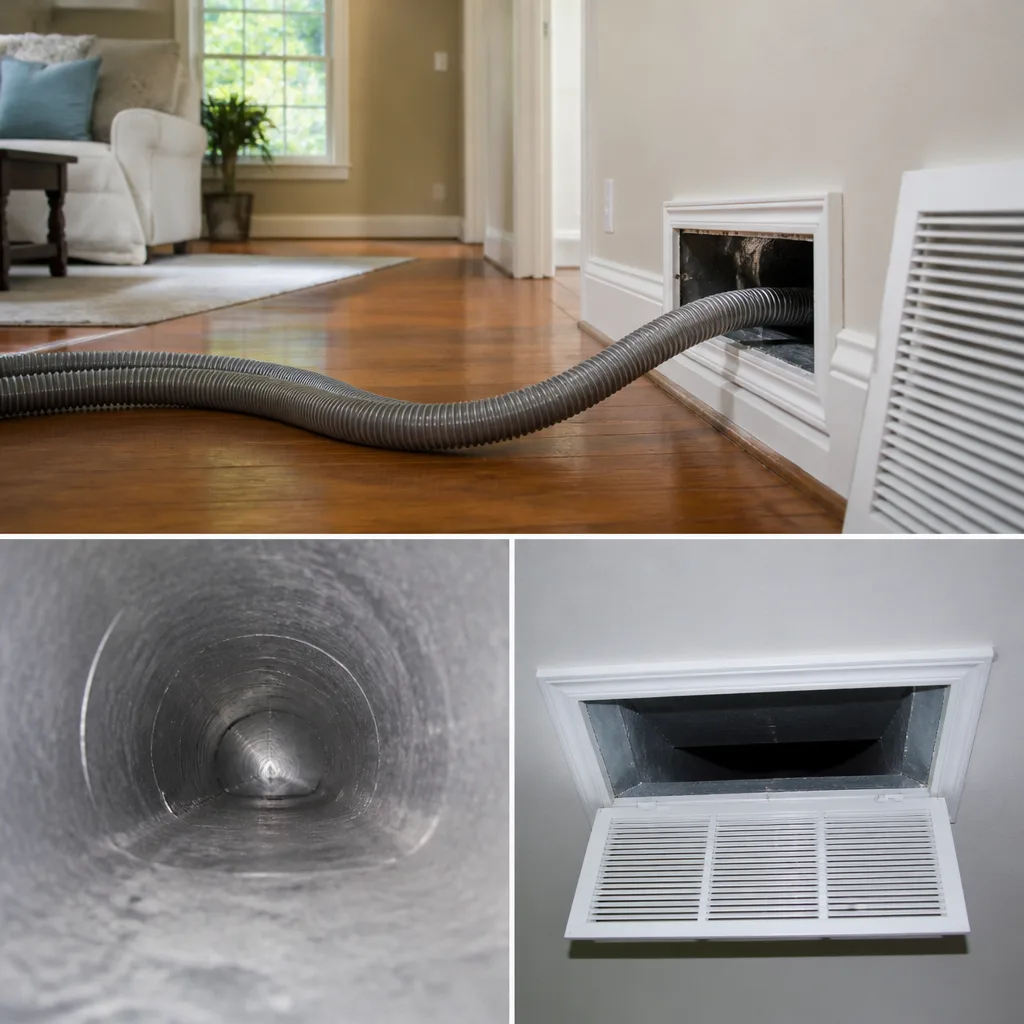 Whole-home duct cleaning
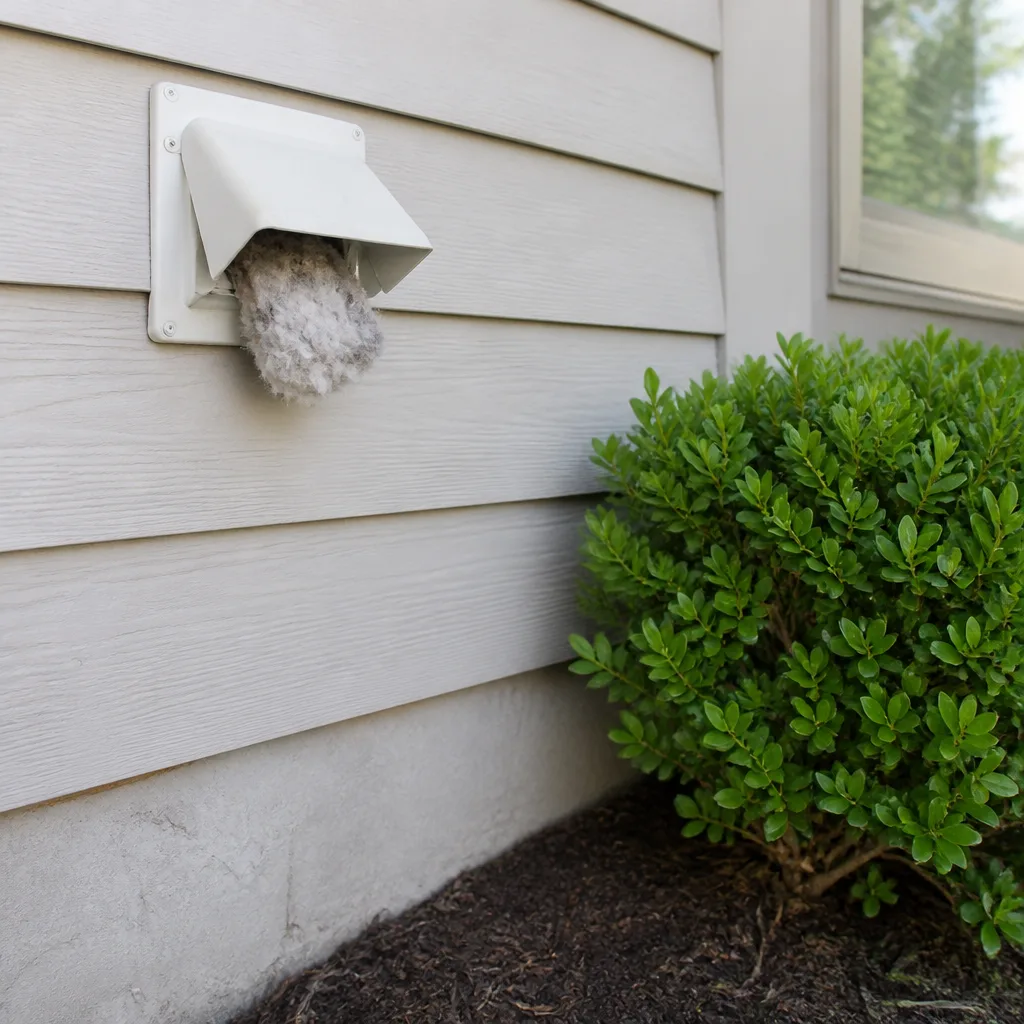 Dryer vent cleaning
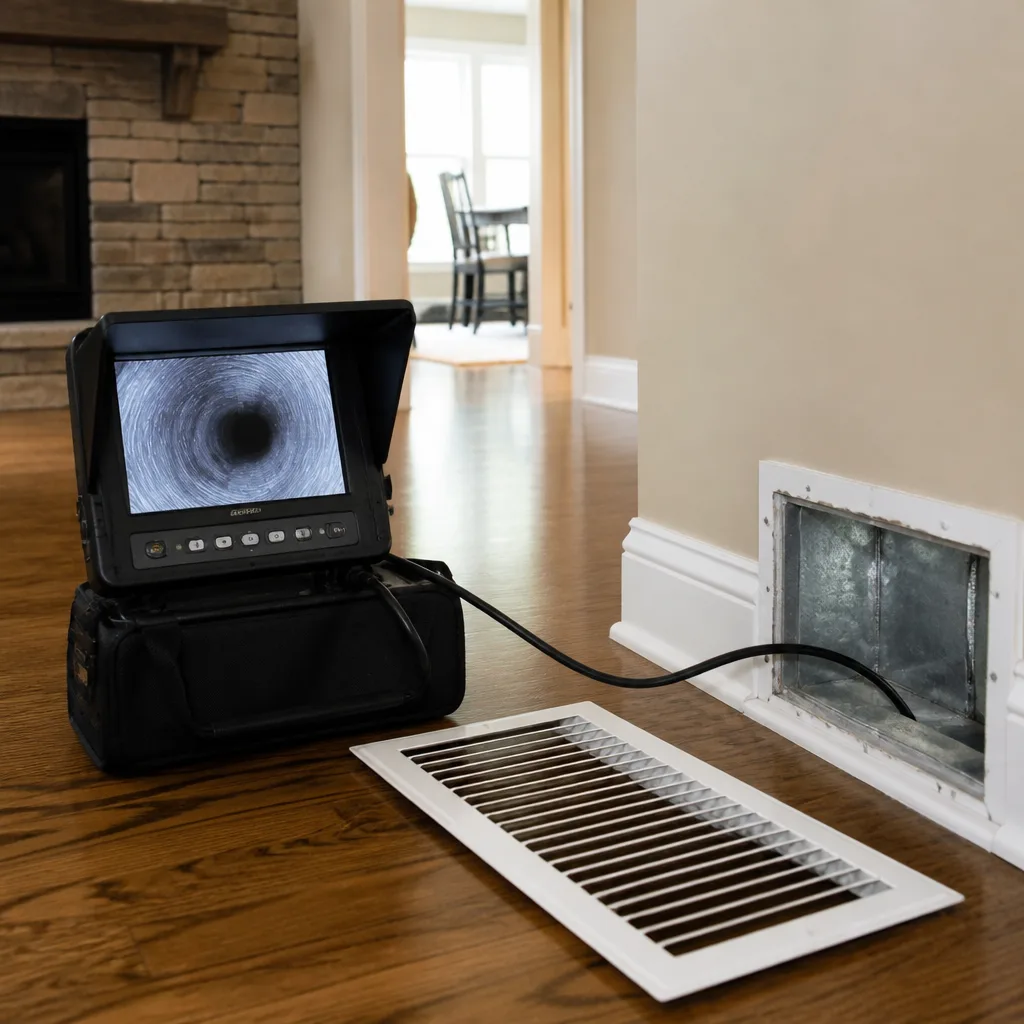 Camera inspection
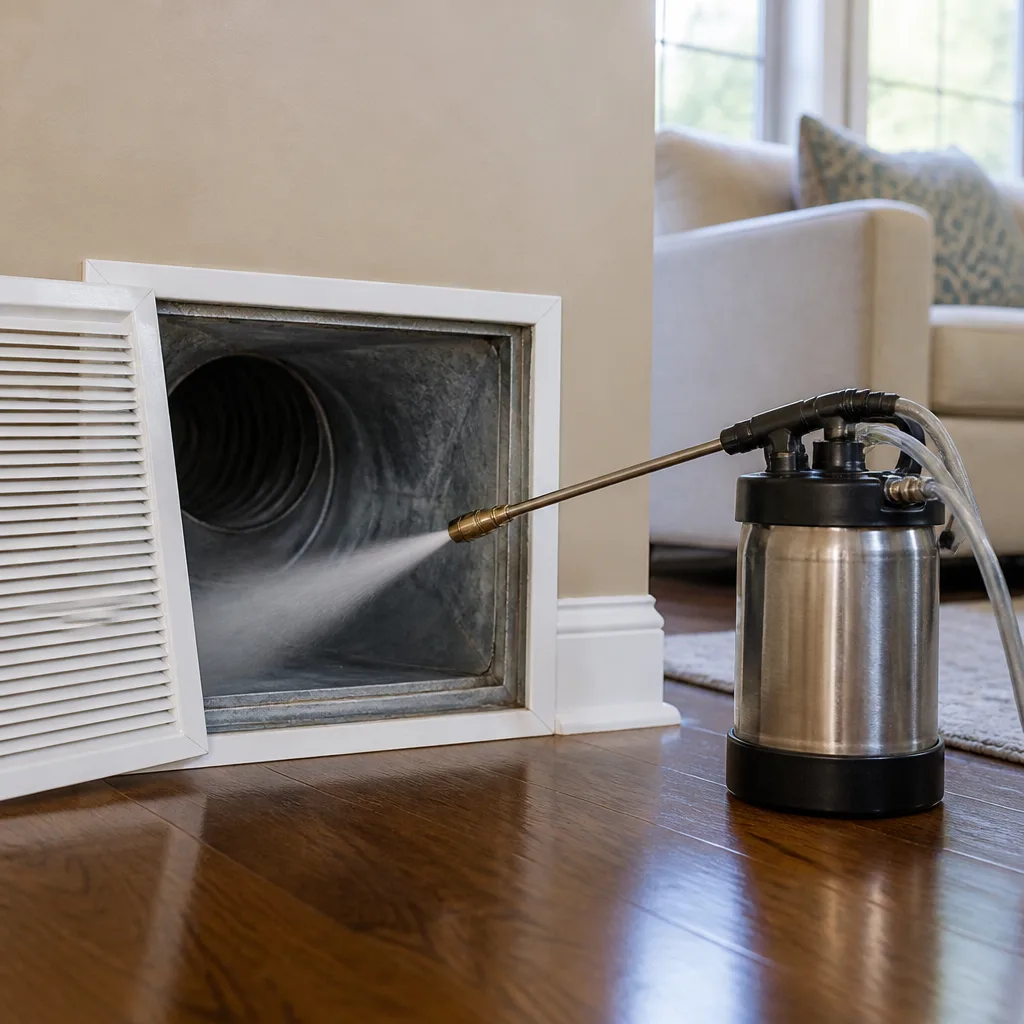 Sanitizing & deodorizing
Whole-system duct and dryer vent check with before-and-after photos - you see exactly what came out of your vents
That "$99 whole-house special" is a bait ad - the real number appears once they are in your hallway, or the "clean" is a shop-vac at the register. We photograph the inside of your ducts before and after instead.
Air Duct Cleaning Permits, Codes & Inspections in Milwaukee, WI: What You Need to Know
Most homeowners assume duct cleaning is permit-free and walk away without asking questions. That assumption is usually correct for the cleaning itself. But if your contractor replaces a duct section, installs an access panel, or reseals returns, you may have just had unpermitted HVAC work done in your Milwaukee home. The line between “cleaning” and “modification” is where trouble starts, and most people never think to ask which side of it their job landed on. In this guide, we’ll walk through exactly where that threshold sits, which Wisconsin code sections matter, how to vet a contractor’s scope of work before the job starts, and what happens to disclosures and insurance claims when duct work was done without the right paperwork in Milwaukee.
Quick Answer
Air duct cleaning in Milwaukee does not usually require a permit by itself, because cleaning and vacuuming existing ducts is maintenance rather than mechanical alteration. A permit is generally triggered once the work changes the system itself: adding or relocating a duct run, installing an access panel that alters the duct wall, replacing rigid duct sections, sealing returns in a way that changes airflow capacity, or replacing system components like a plenum or transition. When that happens, the work falls under the Wisconsin Uniform Mechanical Code and typically needs review through the City of Milwaukee’s building inspection process or the state’s Department of Safety and Professional Services, depending on the scope.
Styles & brands we work with
- Whole-home duct cleaning
- Dryer vent cleaning
- Camera inspection
- Sanitizing & deodorizing
Table of Contents
- Where duct cleaning crosses into HVAC modification
- Wisconsin Uniform Mechanical Code and duct work
- How to ask a contractor whether your job triggers a permit
- Home sale disclosures and insurance claims
- When to involve DSPS or city inspection
- What an HVAC inspection actually looks like
- Cleaning, repair, and dryer vent work: three different scopes
- Common mistakes to avoid
Where Duct Cleaning Crosses Into HVAC Modification in Milwaukee
The distinction most homeowners miss is this: cleaning removes debris from a system that stays the same shape it was before. Modification changes the system. That change is what regulators care about, and it’s what pulls a job into permit territory in Milwaukee.
Cleaning alone typically stays on the maintenance side of the line. A technician runs negative air, agitates the duct interior, vacuums out the debris, and leaves the ductwork structurally identical. No permit needed. That’s true for single-family homes across Milwaukee neighborhoods like Bay View, Riverwest, and Washington Heights, and it holds for most rental properties too.
Here’s where the line moves:
- Adding a new duct run or branch. If you’re extending the system to a room that never had supply or return, that’s new mechanical work and generally requires a permit.
- Relocating a duct. Moving an existing run to a different wall, ceiling, or floor changes the layout and needs review.
- Replacing rigid duct sections. Cutting out a damaged length of galvanized duct and installing new material is a mechanical alteration, not a cleaning task.
- Installing an access panel. An access panel changes the duct wall. Some inspectors treat this as a modification requiring review, especially when the panel alters the structural integrity of a rigid duct run.
- Sealing returns in a way that changes capacity. Re-sealing existing joints is one thing. Resealing returns so airflow capacity changes is another, and it can trigger review.
- Replacing plenums, transitions, or boots. These are components, and swapping them counts as mechanical work.
If your ceiling was recently patched or your crawlspace has fresh duct work that wasn’t there before, look at your permit history. In older Milwaukee housing stock, especially pre-war homes in Walker’s Point and Harambee, flimsy flex duct or collapsing trunk lines are common, and repairs happen often. That’s exactly where unpermitted modification tends to hide. Our Whitman Air Duct Cleaning team can help you tell the difference between a cleaning job and a repair job, because those are different scopes with different regulatory footprints.
Wisconsin Uniform Mechanical Code and Duct Work
Wisconsin adopts a version of the Uniform Mechanical Code as its statewide mechanical standard, and duct installation, repair, and alteration fall under it. The code governs materials, sizing, support spacing, sealing, and connections to the HVAC equipment. When a permit is required, the inspector reviews the work against those standards, not against a general “did it look clean” standard.
The most relevant parts for homeowners to understand:
- Materials and joining. Duct must be listed material, properly joined, and sealed at joints and seams. A contractor splicing in mismatched material from a hardware store is likely outside code.
- Support and hangars. Duct runs need support at defined intervals. Sagging flex duct that rests on ceiling joists is a common defect inspectors flag.
- Clearance to combustibles. Duct passing near heat sources or flues needs proper clearance. This matters in tight Milwaukee basements where the mechanical equipment, water heater, and ductwork all share space.
- Return air and plenum integrity. Returns must be sealed and properly connected. A return that draws air from an attic or crawlspace pulls in contaminants and often violates code.
- Access for inspection. Some duct configurations require access panels or other openings so the system can be inspected and cleaned. That’s a code requirement that overlaps with good service practice.
We use professional-grade equipment on every job, including Nikro and Abatement Technologies negative-air equipment, because the containment standard matters when you’re working inside a system that has to hold up to code review afterward. Cleaning and inspection are separate tasks, but a proper cleaning crew knows what a compliant duct run looks like and can flag a problem that a permit inspection would later catch.
Does a permit apply to dryer vent work?
Dryer vent cleaning and repair generally don’t require a permit unless the vent run is being rerouted or a new exterior termination is being cut. Rerouting a dryer vent through a wall or roof is a mechanical change, and that usually does require review. Many older Milwaukee homes have long, kinked dryer vent runs that were installed informally, and replacing them with proper rigid or semi-rigid duct is worth doing correctly. We offer dryer vent cleaning as a separate service because it’s a different system with a different safety profile, and it deserves the same scope clarity as any duct work.
How to Ask a Contractor Whether Your Job Triggers a Permit
The single best habit you can build before hiring anyone is to ask, in writing, whether the scope of work includes any mechanical modification. Most homeowners don’t ask, and most contractors don’t volunteer the answer. Change that.
Here’s a step-by-step way to handle the conversation:
- Ask for the scope of work in plain words. Not a services list. Ask exactly what will be cut, added, removed, or resealed, and whether any of it changes the shape or material of the duct system.
- Ask directly: “Does any part of this job require a permit?” A competent contractor will give you a clear yes or no, and explain why.
- Ask who pulls the permit if one is needed. In most residential work, the contractor pulls the permit and schedules the inspection. If a company says you should pull it as the homeowner, that’s a sign they don’t want the inspection on record.
- Ask whether the price includes permit costs and inspection scheduling. A written estimate should state this plainly. If permit costs show up as a surprise line item later, you were not told the real scope.
- Get the answers on the estimate. A verbal “we’ll handle it” is not the same as a line in writing. Any professional company should be comfortable putting scope and permit status on paper.
- Confirm the equipment being used. Ask what equipment will be brought into your home. A real duct cleaning operation uses purpose-built duct cleaning systems, not shop vacuums. If you’re comparing quotes, ask us what equipment we’re bringing and ask competitors the same question.
This is a conversation, not a confrontation. We encourage it, because a contractor who can’t explain the scope of their own work is a contractor who shouldn’t be altering your HVAC system. Read the estimate carefully, compare it to the work you’re actually getting, and if anything is unclear, ask before the truck arrives.
Home Sale Disclosures and Insurance Claims: The Real Cost of Unpermitted Work
When you sell a home in Milwaukee, you complete a real estate condition report that discloses known defects and unpermitted work. Unpermitted HVAC modifications are a classic problem that surfaces during a buyer’s inspection. A buyer’s inspector who finds new duct work without a permit will flag it, and then you have a choice: pay to get it retroactively permitted, negotiate a credit, or lose the sale.
The cost goes beyond the inspection moment. A few typical scenarios:
- Retroactive permitting. Getting existing work reviewed after the fact usually requires opening up walls or ceilings so an inspector can see the connections. That’s expensive and disruptive, and it can turn a $900 repair into a much larger project.
- Insurance claims. If a fire or water loss traces back to modified duct work, an adjuster may question whether the work was properly permitted and inspected. Insurers can reduce or deny a claim tied to unpermitted modifications, especially when the work contributed to the loss.
- Lost leverage at sale. Even when the work is fine, a missing permit gives the buyer room to demand concessions. It becomes a negotiating chip you can’t easily counter.
- Refinancing and appraisal issues. Lenders and appraisers occasionally flag unpermitted mechanical work, which can delay a close.
If you’re unsure whether prior duct work was permitted, you can check your property’s permit history with the City of Milwaukee before you sell. It’s a much easier conversation to have now than during an inspection contingency.
When to Involve DSPS or the City’s Inspection Department in Milwaukee
Wisconsin splits mechanical code oversight between the state’s Department of Safety and Professional Services and local municipalities. Milwaukee runs its own building inspection process for work inside the city, and DSPS handles the state-level code and contractor credentialing. Knowing which one to call depends on what happened.
| Situation | Who to contact | Why |
|---|---|---|
| You’re planning a duct modification and need a permit | City of Milwaukee building inspection | Local permitting authority for work inside city limits |
| You suspect a contractor worked without a required permit | City of Milwaukee building inspection | Permit enforcement and inspection |
| You have a question about a contractor’s state credential | Wisconsin DSPS | State-level contractor licensing and code interpretation |
| You’re outside Milwaukee city limits, in a suburb | That suburb’s building department, or DSPS if unincorporated | Permitting follows local jurisdiction |
| The work is a routine cleaning with no modification | Nobody – no permit required | Cleaning is maintenance, not mechanical alteration |
A few rough rules. If the work changed the physical duct system, involve the permitting authority. If the work was only cleaning, no regulatory dimension applies. If you’re not sure which bucket your job fell in, ask the contractor and then ask the city. That clarity is worth the phone call, especially in older housing stock around Milwaukee where the mechanical history of a house is often poorly documented.
What an HVAC Inspection Actually Looks Like
An inspection is not a cleaning. Inspectors look at the duct system against the code, not against a cleanliness standard. Most visits take a working pass through the mechanical area, and if there’s an attic or crawlspace duct run, they’ll go there too.
Here’s what inspectors typically check:
- Materials and connections. Is the duct listed material, and are the joints and seams properly sealed?
- Support and alignment. Is the duct supported at the right intervals, or resting on joists and sagging?
- Clearances. Is there proper clearance from heat sources, flues, and other mechanical components?
- Return air integrity. Are returns pulling from inside the conditioned space, not from an attic or crawlspace?
- Access. Is there an access panel or opening where the code requires one, and does it allow inspection of the components inside?
- Connections to the air handler. Is the transition between the equipment and the duct system secure and sealed?
- Documentation. Is the permit visible and does the scope match what’s been installed?
Most residential inspection findings are fixable. Sagging flex, unsealed returns, and improperly secured transitions are common in older Milwaukee homes, and a professional duct repair scope can correct them. Our team works on those repairs through our air duct cleaning and repair services, because we don’t just clean, we repair what the inspection finds and what cleaning reveals.
Cleaning, Repair, and Dryer Vent Work: Three Different Scopes
The regulatory picture varies by scope. Treating them as one blended service is how homeowners end up confused about permits.
Air duct cleaning
Cleaning runs negative air containment, agitates the duct interior, and extracts debris. It doesn’t change the system. No permit needed. This is the majority of residential work and the service most people actually need. Professional-grade equipment matters here, but not for permit reasons: it matters because a proper cleaning crew with Abatement Technologies containment and Nikro or Rotobrush agitation does a different job than a crew with a shop vac. The equipment doesn’t change the permit picture, but it does change the outcome.
Air duct repair
Repair is where permits come into play. Splicing in new duct, sealing returns that change capacity, installing access panels, replacing boots or transitions, and correcting sagging support all touch the mechanical system. Some of these need permits, some don’t, but all of them are repairs, not cleaning. Ask specifically which repairs are contemplated before the job starts. Most duct cleaning companies don’t do repairs at all; when a crew offers to “fix” something, make sure they know what triggers a permit.
Dryer vent work
Cleaning a dryer vent is maintenance. Rerouting a dryer vent through a wall or roof and cutting a new exterior termination is a mechanical change. If the dryer vent run is long, kinked, or stacked with multiple elbows, replacing it with proper rigid duct often falls into the modification category. That’s worth doing right, and it’s worth asking whether a permit is involved.
Across all three services, the permit depends on whether the system changes shape, length, material, or component. That’s the test.
Common Mistakes to Avoid
- Assuming “duct cleaning” covers everything. Many contractors use that phrase loosely and quietly include repair work in the scope. Ask for a written scope that separates cleaning from repair, because that separation determines whether a permit is required.
- Telling the contractor to “just fix it” without a written scope. In older Milwaukee homes, a verbal “we’ll replace that section” can turn into a full trunk-line replacement. Get it in writing before anyone touches the system.
- Skipping the permit conversation on basement remodels. If your mechanical room was reorganized, the duct work almost certainly changed, and that change should show up in the permit record.
- Trusting a permit “on file” without checking. Call the City of Milwaukee building inspection department and confirm. A contractor saying “we have a permit” without a number is not confirmation.
- Ignoring the dryer vent as part of the system. A long, kinked dryer vent installation that was never inspected is a common problem in older housing, and it deserves the same code attention as duct work.
- Not asking what equipment is being brought. A crew that shows up without professional duct cleaning equipment cannot do a proper cleaning job, permit or not, and the scope of their work is probably not what their estimate claimed.
- Assuming your insurance will cover unpermitted work. Check before a loss happens, not after. A claim tied to unpermitted modification is much harder to collect on.
See the difference
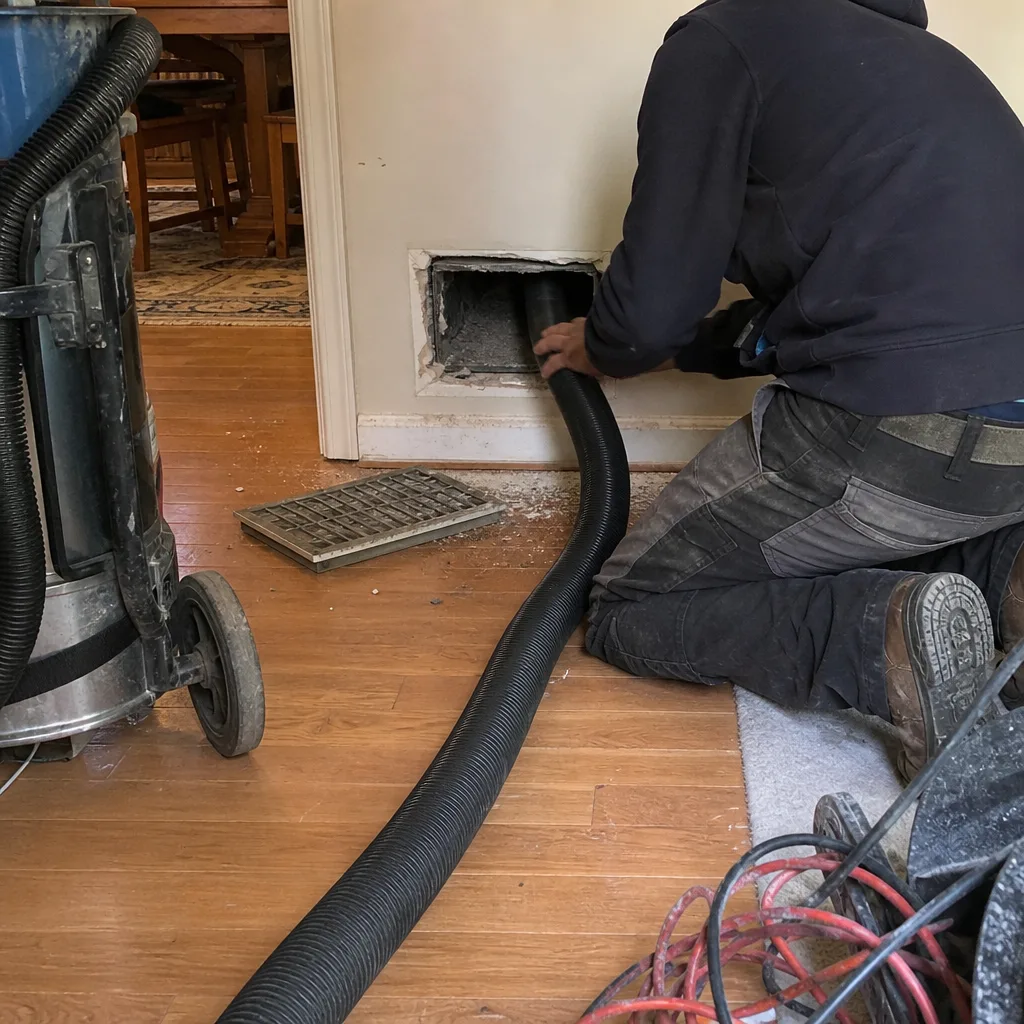 Before
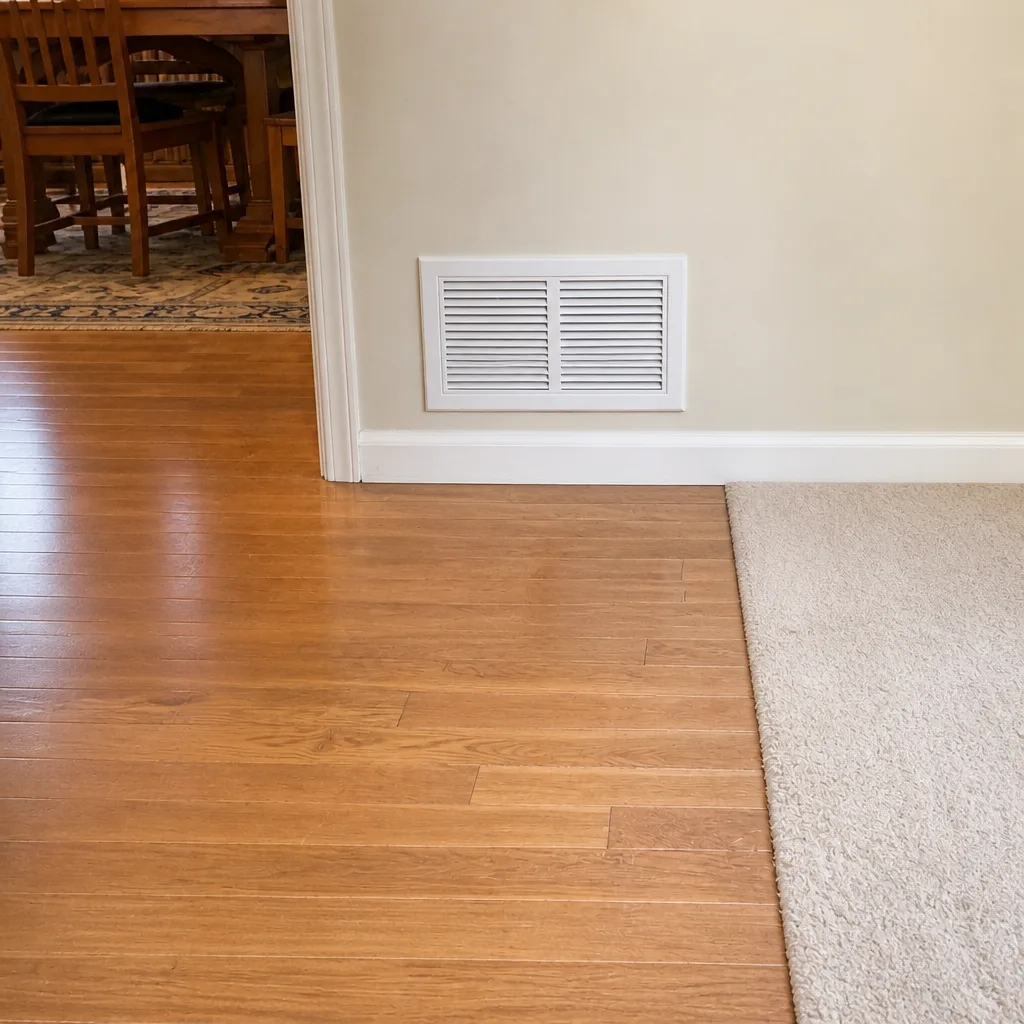 After
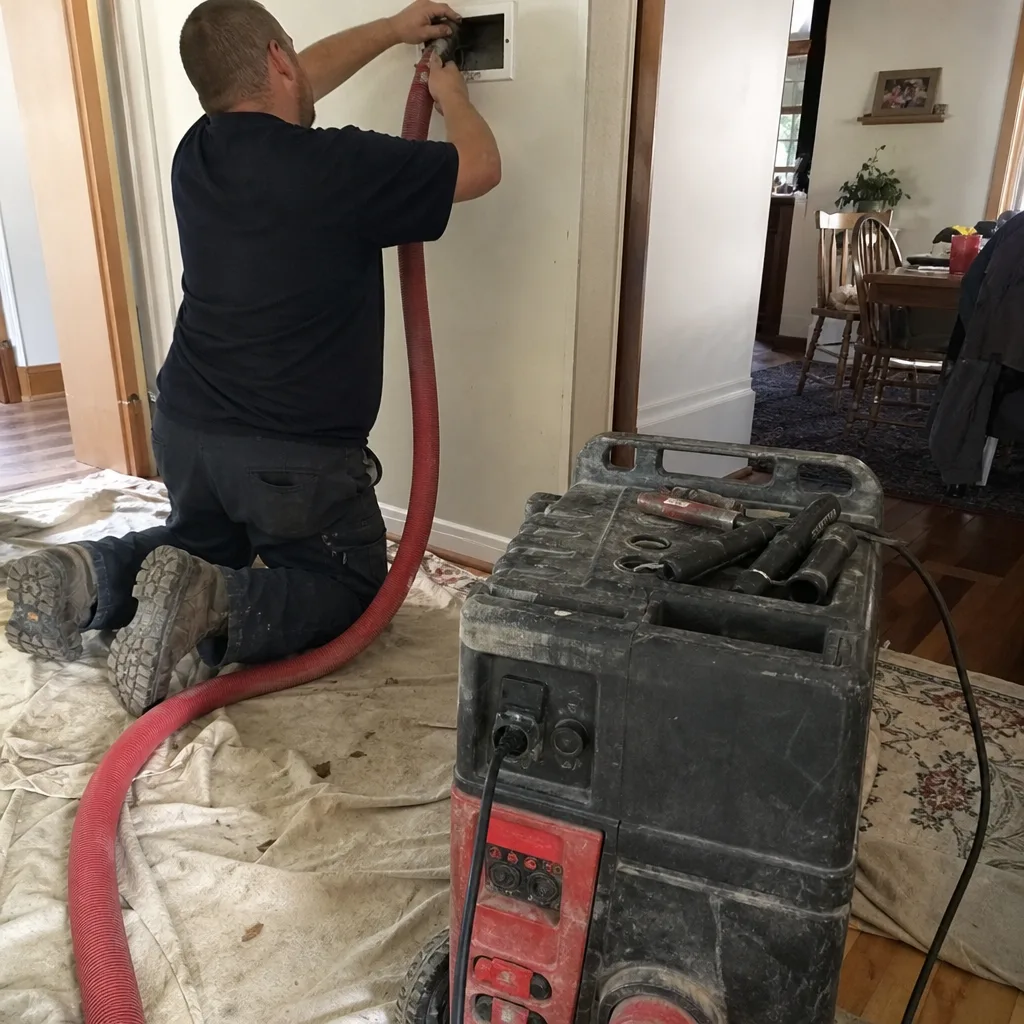 Before
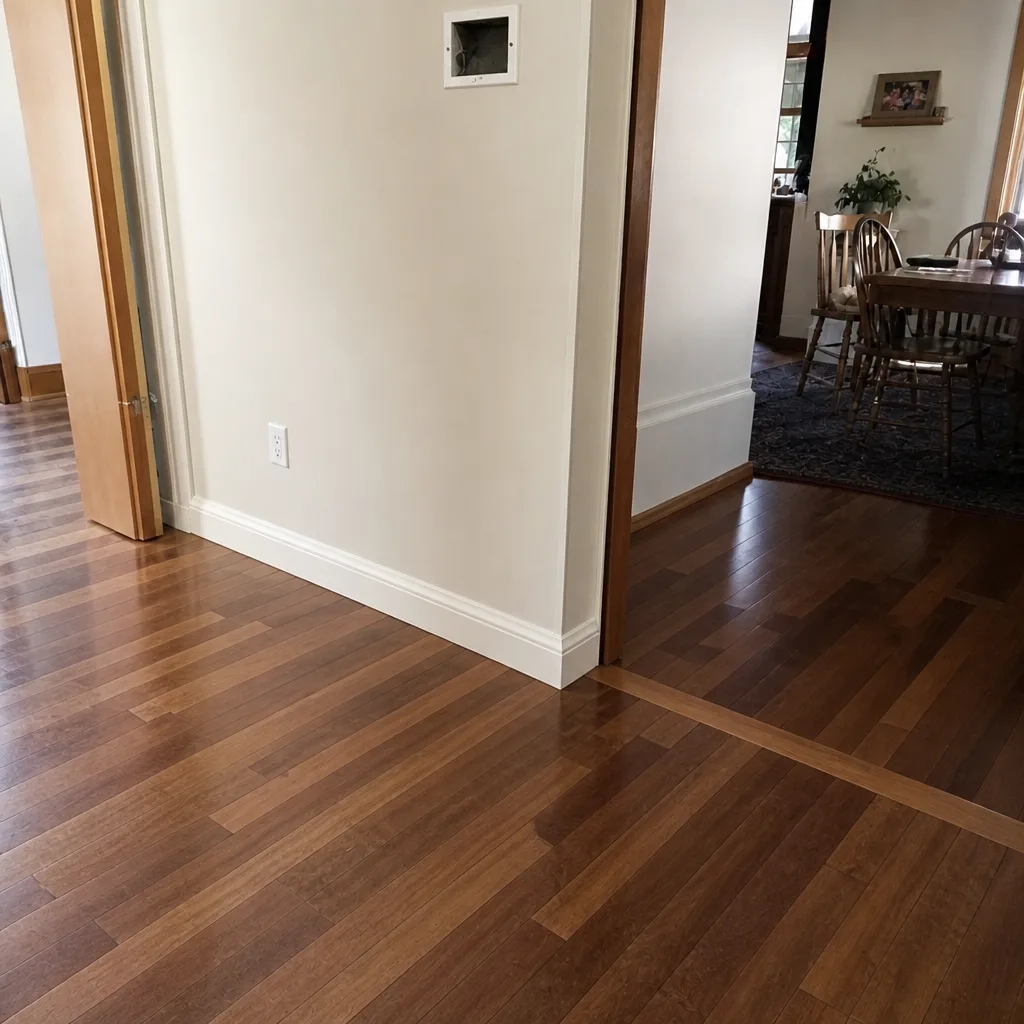 After
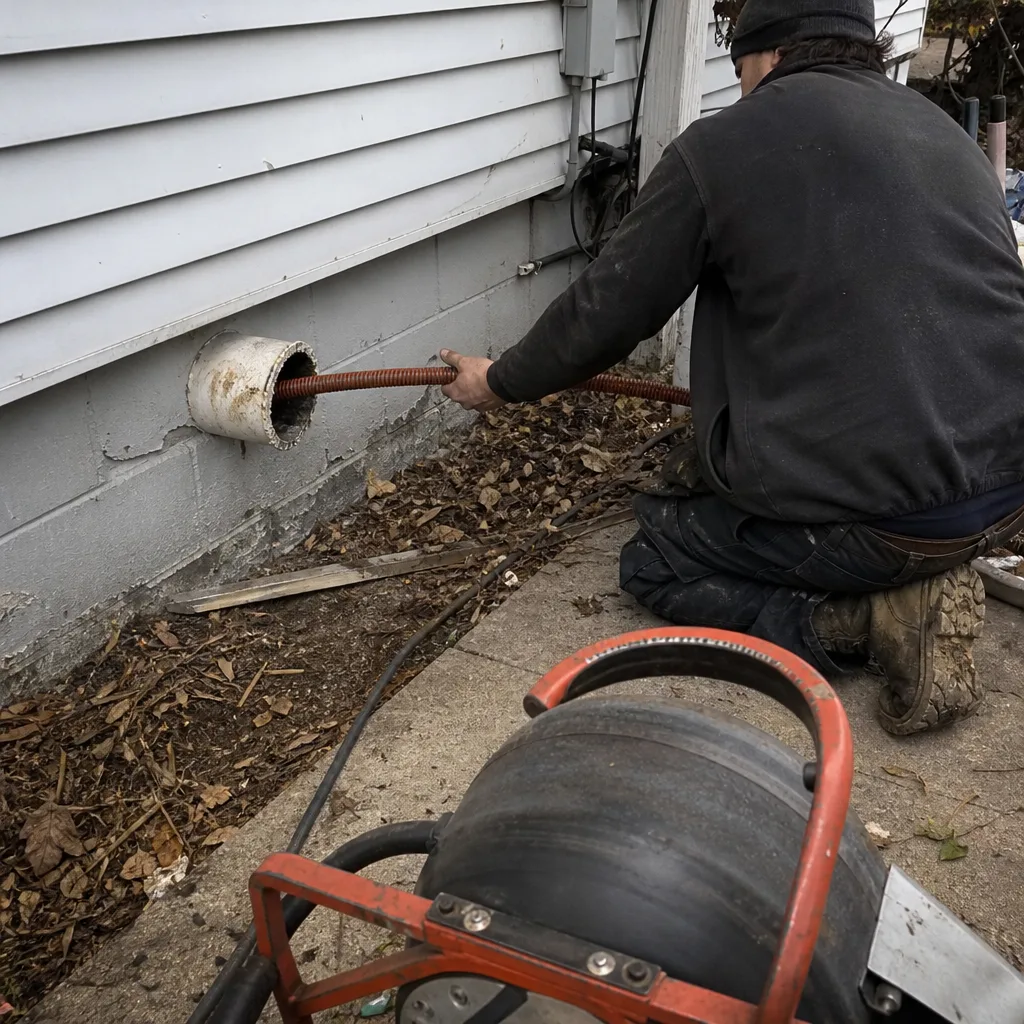 Before
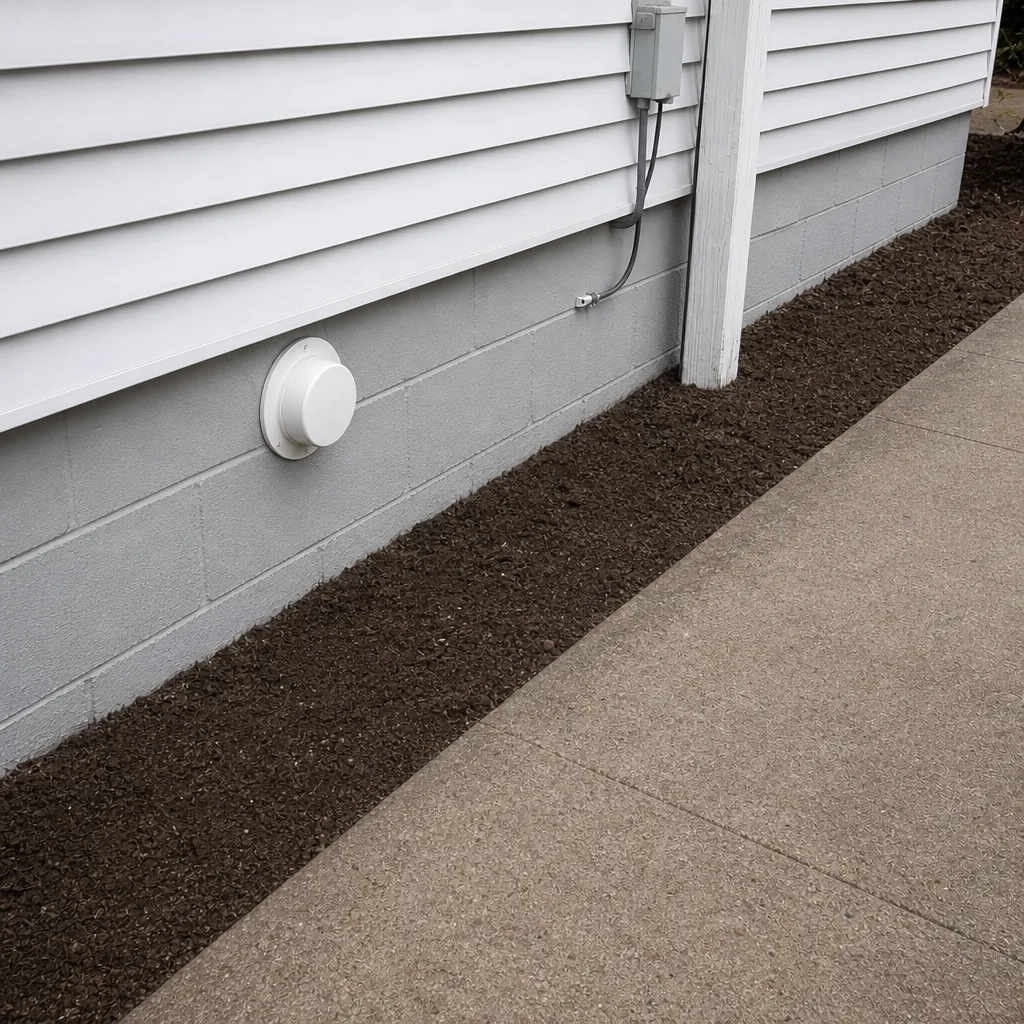 After
When to Call a Professional
Call a professional if you see sagging or disconnected duct in the basement, attic, or crawlspace, if airflow in one or more rooms has dropped noticeably, if visible dust or debris blows out of supply registers when the system starts, if your returns pull air from an attic or crawlspace, or if you’re being told the duct system may need repairs as part of a cleaning. Call a professional before a home sale or refinance if you’re not sure the duct work was done correctly. Call when a contractor’s estimate doesn’t clearly separate cleaning from repair. And if you’re asking whether any part of the job requires a permit, get that answer before work starts, not after. Whitman Air Duct Cleaning offers free estimates in Milwaukee. Call (866) 729-3894. We answer 24/7. Fast dispatch from 7am to 7pm, Sunday through Friday. Our technicians have up to 11 years of experience, and we’ll walk you through the scope so you know exactly which side of the permit line your job falls on.
Frequently Asked Questions
No, air duct cleaning alone does not require a permit in Milwaukee. Cleaning is maintenance, not mechanical alteration, because the duct system’s shape, material, and layout stay the same. A permit becomes relevant only when the work includes a repair, alteration, or new installation that changes the system itself. If a contractor’s scope includes any of that, ask before work starts. Call (866) 729-3894 for a free estimate and we’ll help you clarify the scope. We answer 24/7. Fast dispatch from 7am to 7pm, Sunday through Friday.
Cleaning removes debris and leaves the duct system structurally unchanged, so it generally has no permit dimension. Repair changes the system: new material, new sections, new access panels, resealed returns, or replaced components, and those changes usually require permit review under the Wisconsin Uniform Mechanical Code. Ask any contractor to state clearly which category your job falls into. Get it in writing. Call (866) 729-3894 if you want a second opinion before you hire. We answer 24/7. Fast dispatch from 7am to 7pm, Sunday through Friday.
The City of Milwaukee building inspection department handles permits for mechanical work inside city limits. The Wisconsin Department of Safety and Professional Services handles state-level code and contractor credential questions. If you’re in an outlying community, that suburb’s building department is the permitting authority. When in doubt, call the city first; they’ll route you if the work is outside their jurisdiction. For a scope review before you call, reach us at (866) 729-3894. We answer 24/7. Fast dispatch from 7am to 7pm, Sunday through Friday.
It can. If a loss traces back to duct work that wasn’t permitted or inspected, an adjuster can reduce or deny the claim, especially when the unpermitted change contributed to the damage. The safest approach is to check your permit history before a sale, refinance, or loss event, not after. Ask any contractor whether their scope includes permit-required work and confirm they pull the permit when needed. Call (866) 729-3894 for a free estimate and a plain-language scope. We answer 24/7. Fast dispatch from 7am to 7pm, Sunday through Friday.
Dryer vent cleaning does not require a permit. Rerouting a dryer vent through a wall or roof, or cutting a new exterior termination, is a mechanical change and typically does require review. Replacing a long, kinked vent run with proper rigid duct often sits in the modification category. Ask the contractor specifically which change is being made before work starts. Call (866) 729-3894 if you’re unsure what your vent run needs. We answer 24/7. Fast dispatch from 7am to 7pm, Sunday through Friday.
Request the permit history from the City of Milwaukee building inspection department for your address. They can tell you what permits were issued and inspected for your property. If the work that’s visible in your basement or attic doesn’t show up in that record, treat it as unpermitted until proven otherwise, and decide whether retroactive permitting is worth pursuing before you sell. We can inspect the visible scope of the duct system and point out what looks like modification work. Call (866) 729-3894 for a free estimate. We answer 24/7. Fast dispatch from 7am to 7pm, Sunday through Friday.
The Bottom Line
The permit question comes down to one test: did the duct system change shape, material, or components? Cleaning passes that test. Repair, resealing, new panels, and new duct sections usually don’t, and those are the repairs most homeowners don’t know they’re buying. In Milwaukee, that distinction matters for permit compliance, for home sale disclosures, and for insurance claims. When you hire anyone, ask for the scope in writing, ask whether a permit is required, ask who pulls it, and ask what equipment is being used. Those four questions filter out most of the trouble. If the answers aren’t clear, keep looking. Our team is here when you want to talk it through.
Whitman Air Duct Cleaning offers free estimates in Milwaukee. Call (866) 729-3894. We answer 24/7. Fast dispatch from 7am to 7pm, Sunday through Friday. Every job gets one flat price per system agreed before work starts, and before-and-after photos of your own ducts so you know exactly what was done.
Written by the team at Whitman Air Duct Cleaning.