
Last updated November 15, 2026
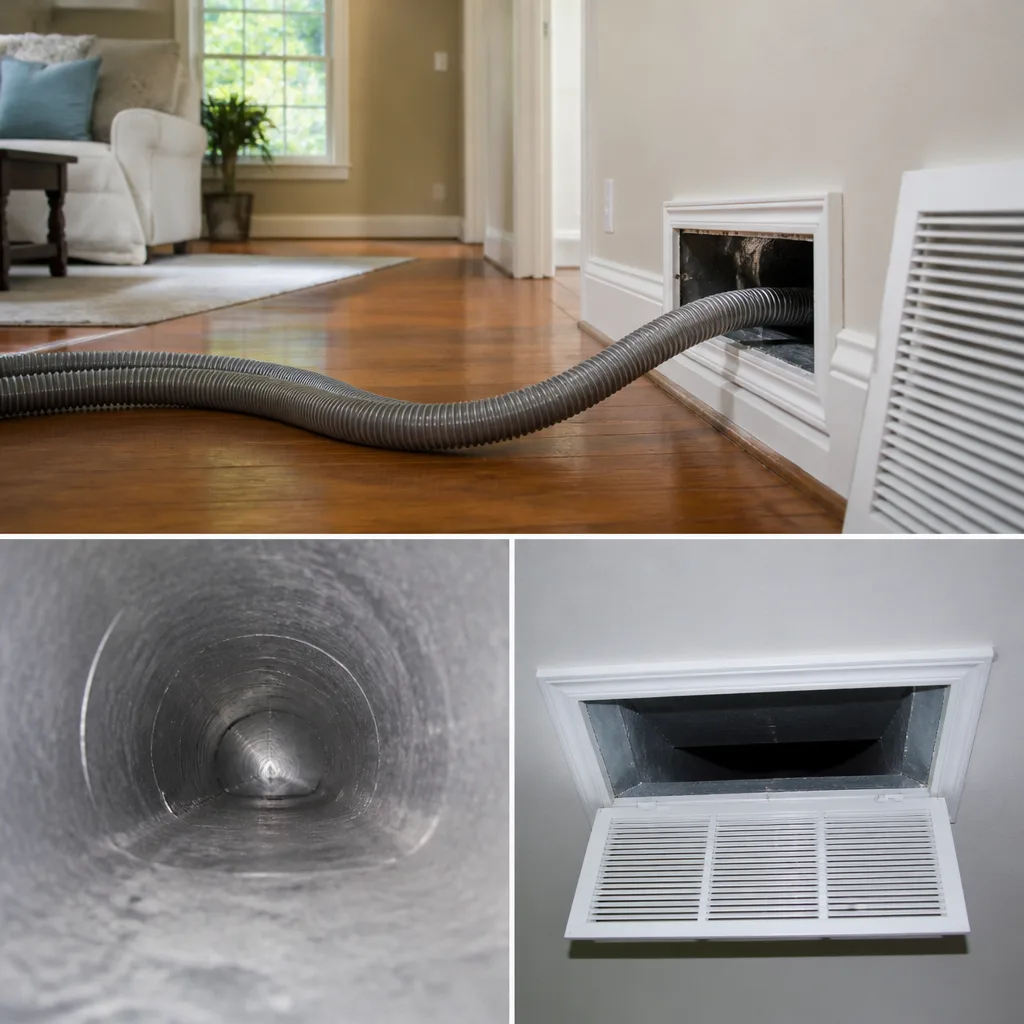 Whole-home duct cleaning
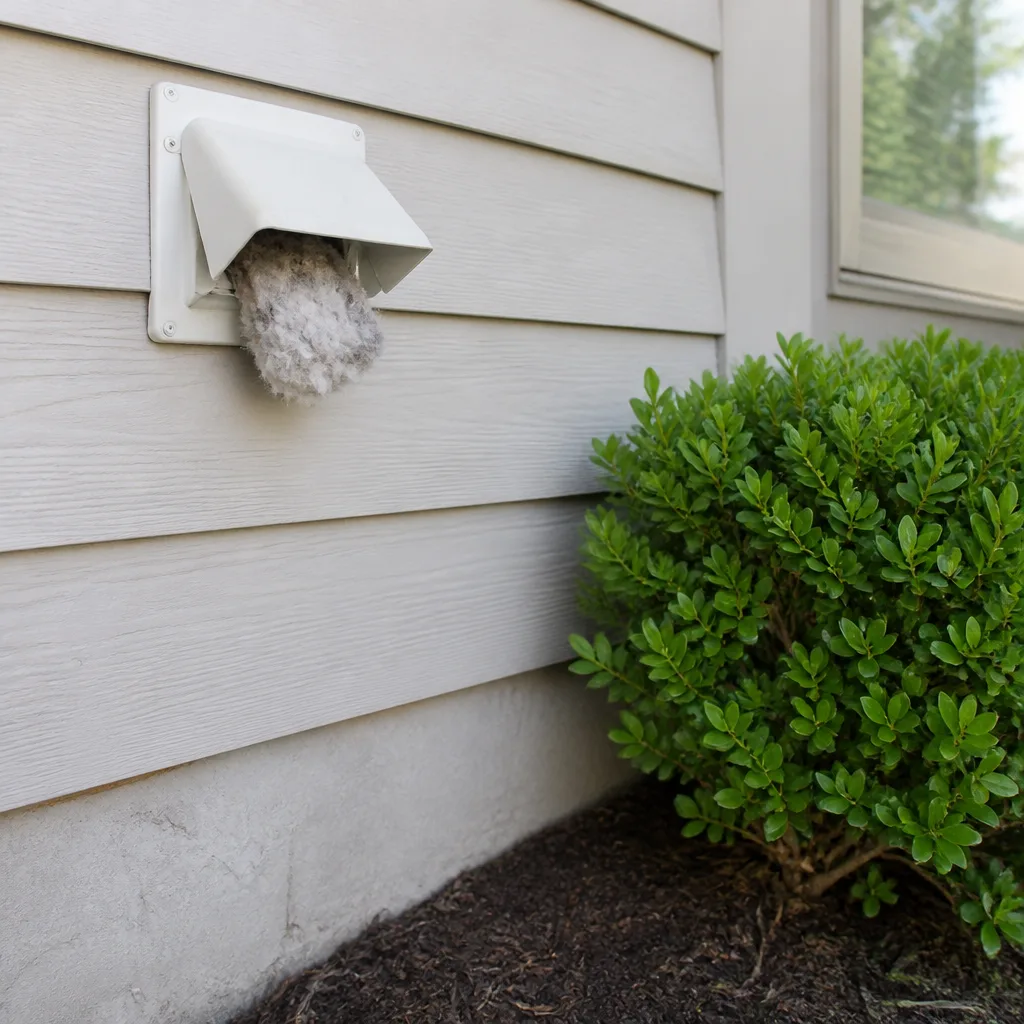 Dryer vent cleaning
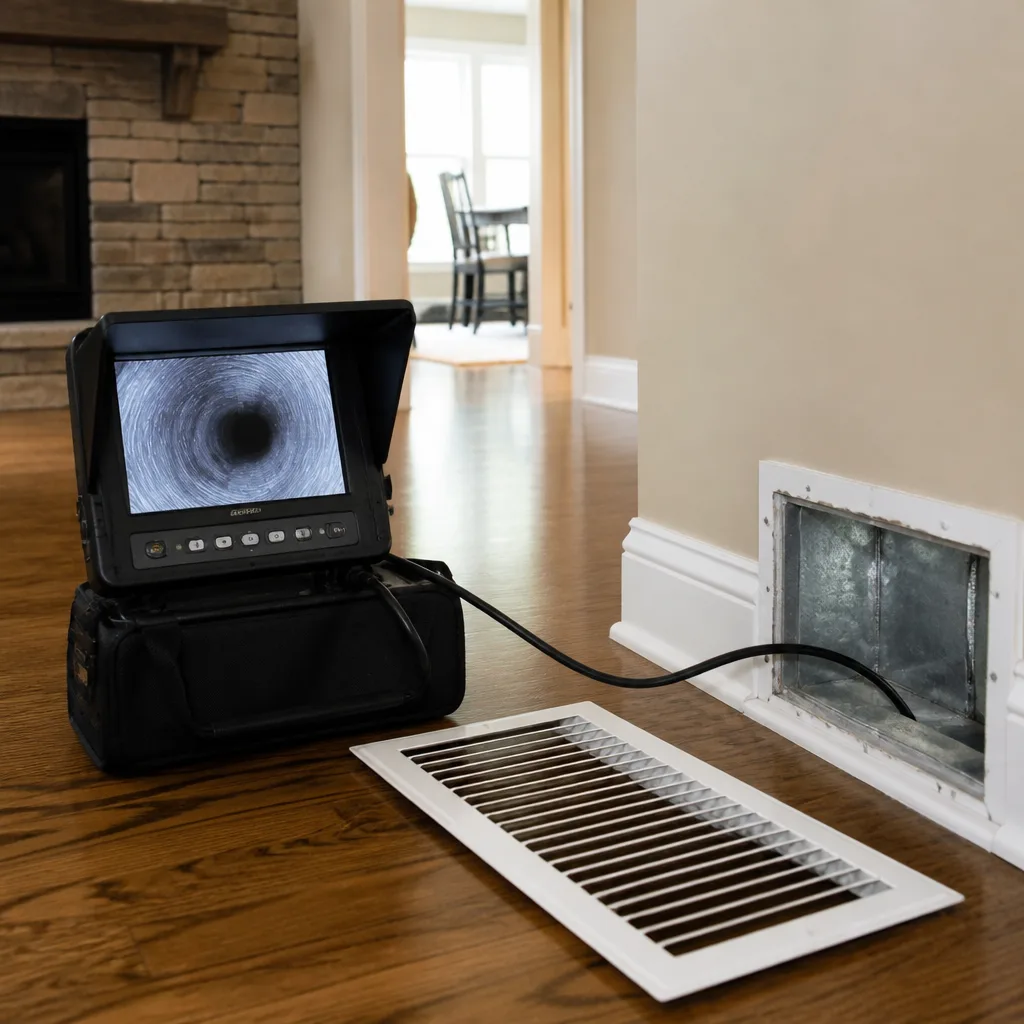 Camera inspection
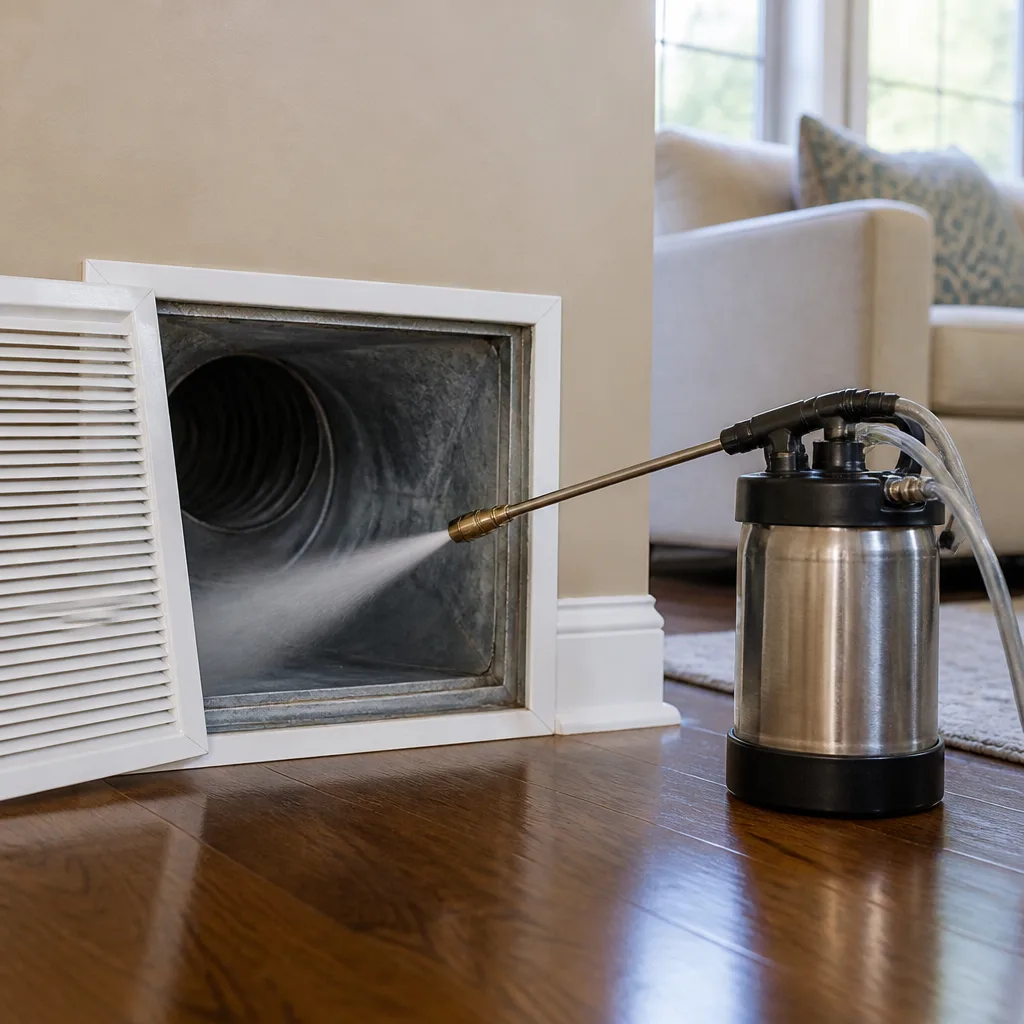 Sanitizing & deodorizing
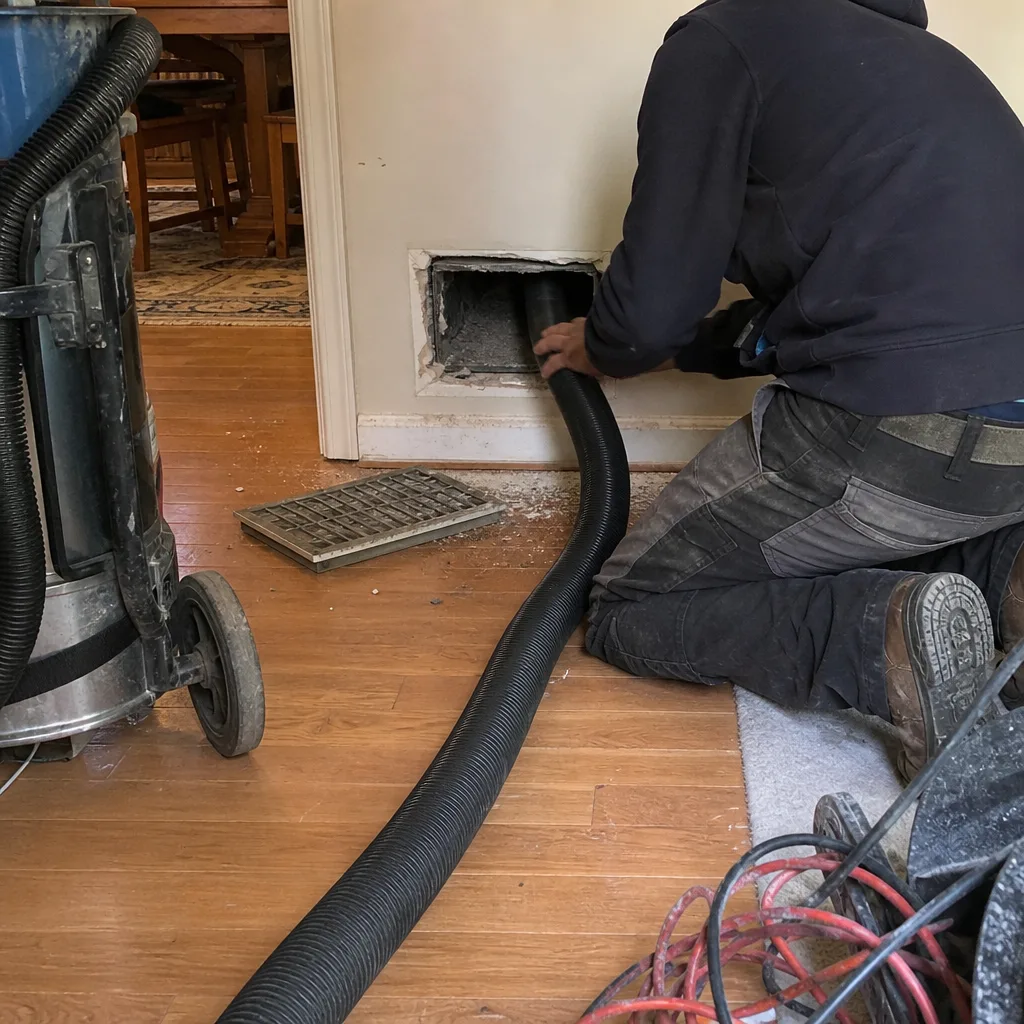
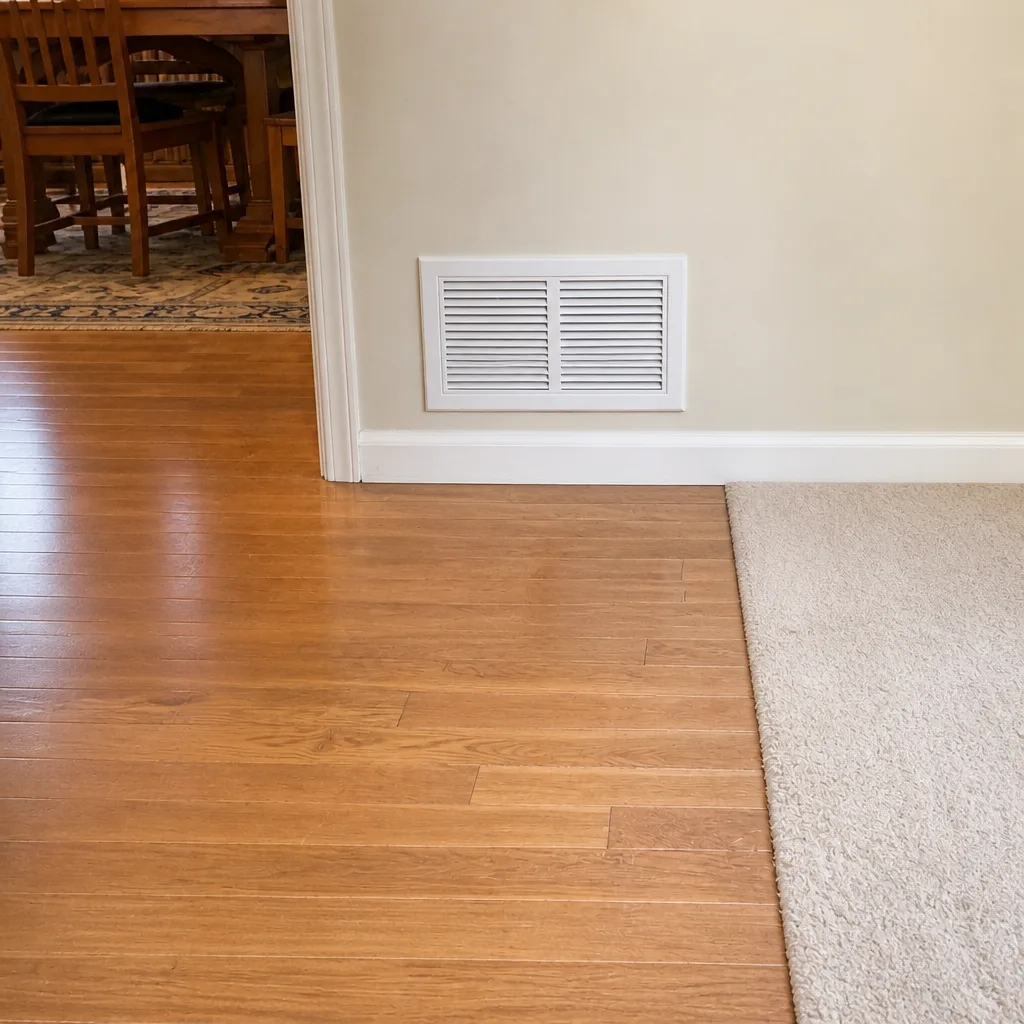
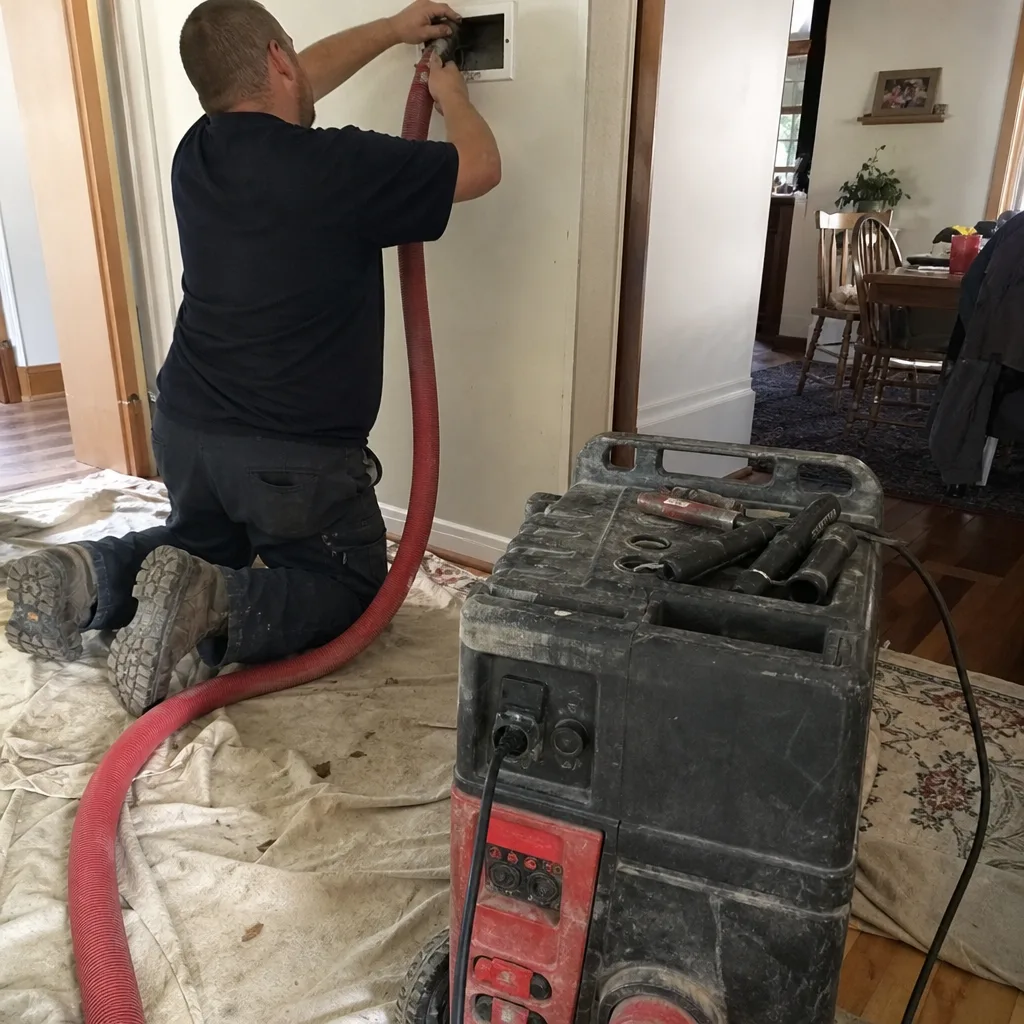
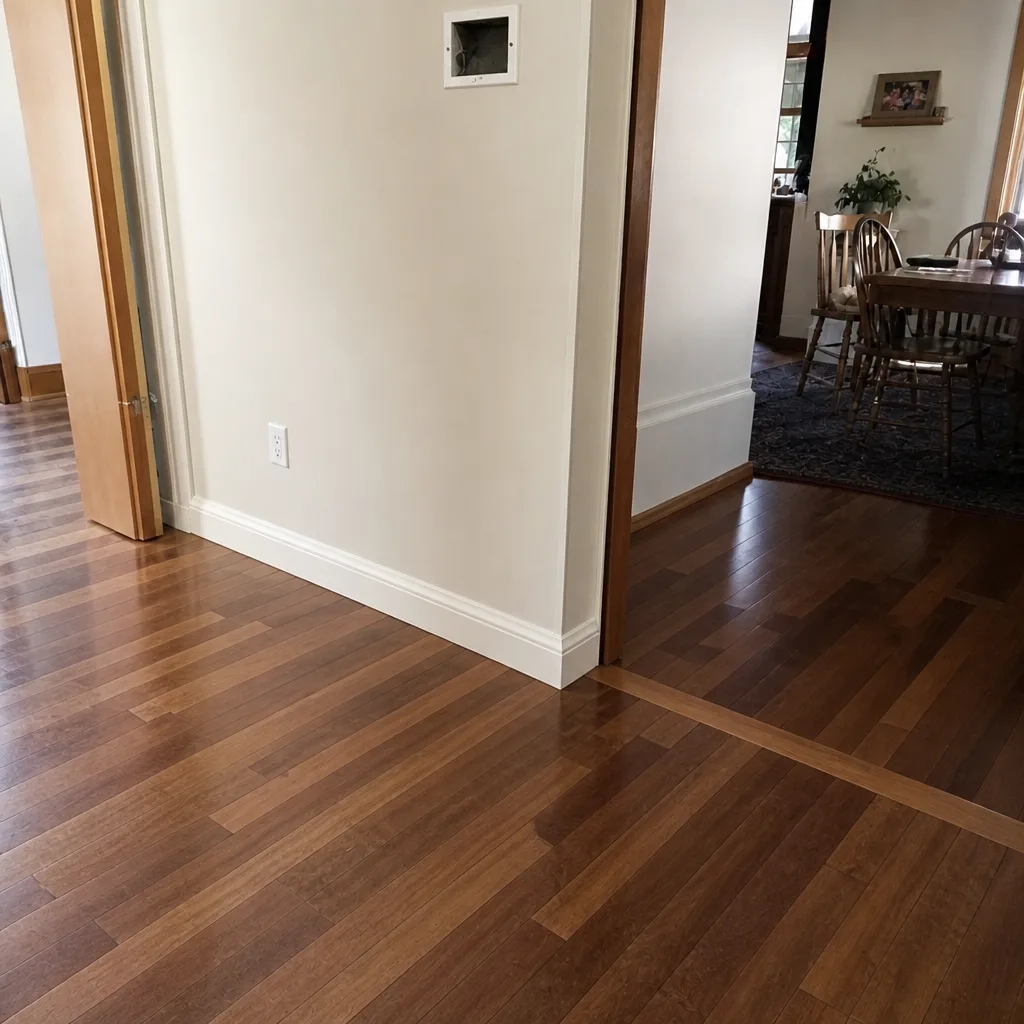
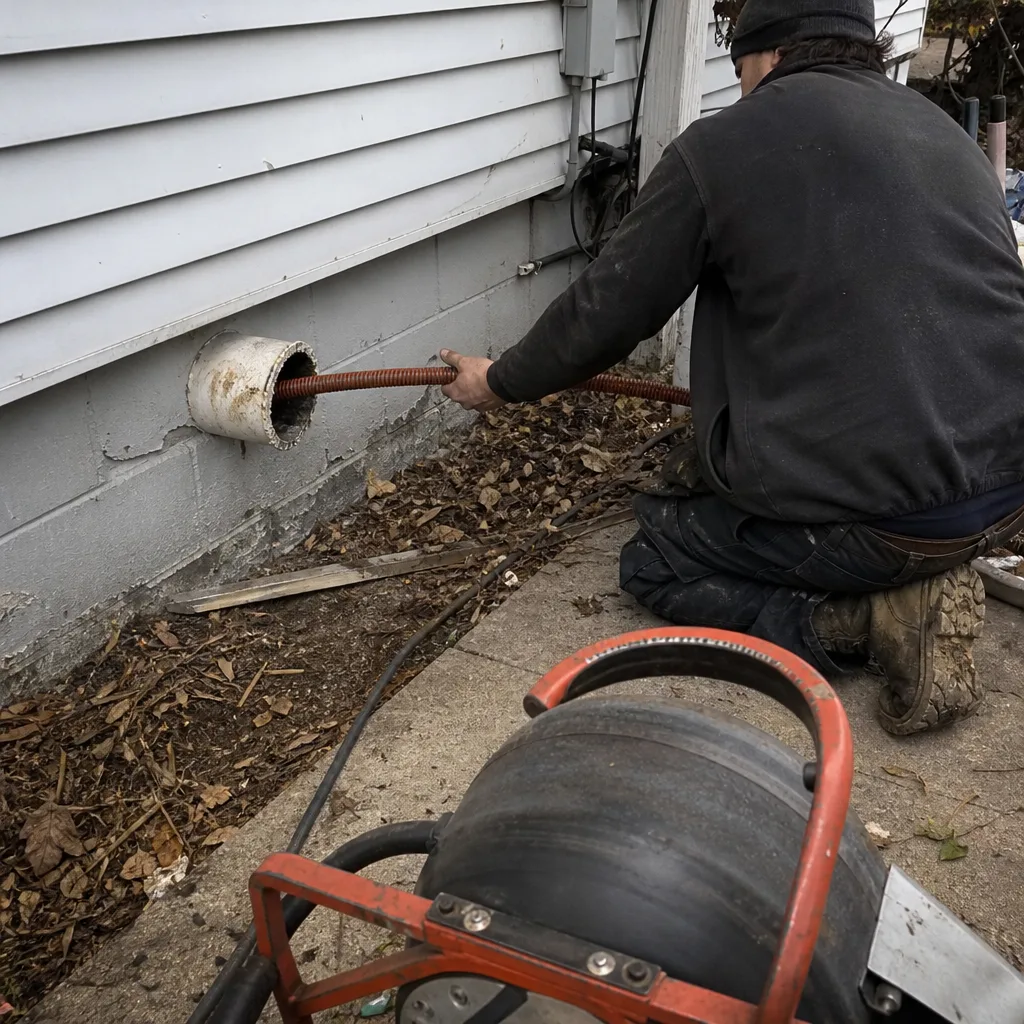
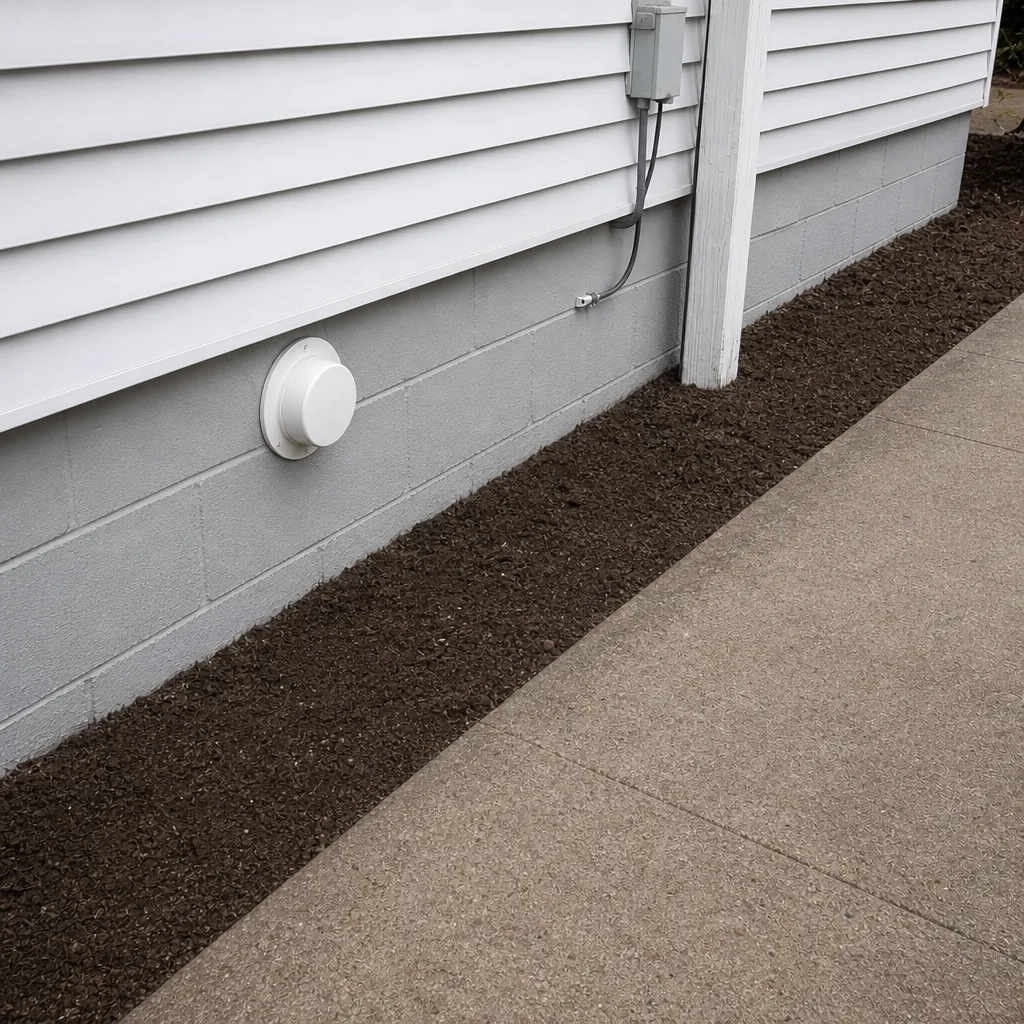
Whole-system duct and dryer vent check with before-and-after photos - you see exactly what came out of your vents
That "$99 whole-house special" is a bait ad - the real number appears once they are in your hallway, or the "clean" is a shop-vac at the register. We photograph the inside of your ducts before and after instead.
Air Duct Cleaning Emergency Preparedness Guide for Milwaukee Homes
After a basement flood, most Milwaukee homeowners call a water remediation company, replace the drywall, and move on. The house looks dry. The smell fades. What gets missed is the duct system: if the HVAC ran during or after the flood event, it may be pulling moisture, debris, and contaminated air through every room in the house without anyone noticing. This guide covers the emergencies that turn duct work from routine maintenance into a safety response – fire and smoke, flooding, pest infestation, and renovation contamination – and explains what a professional assessment actually involves in a Milwaukee home.
Styles & brands we work with
- Whole-home duct cleaning
- Dryer vent cleaning
- Camera inspection
- Sanitizing & deodorizing
Quick Answer
Duct cleaning becomes an emergency response – not routine maintenance – when the system has been exposed to floodwater, smoke and soot, pest infestation, or heavy renovation debris. In those cases, the ducts need inspection, containment, and remediation-level cleaning before the HVAC system runs normally again. Standard surface cleaning is not enough, and in Milwaukee homes the sequence of steps matters as much as the cleaning itself.
Table of Contents
- What Counts as a Duct Emergency in Milwaukee?
- Post-Flood Duct Protocol
- Fire and Smoke Events: Smoke Odor vs. Soot Contamination
- Renovation Contamination
- Pest Infestation Aftermath
- How to Document Duct Condition for Insurance Claims
- What Professional Equipment Actually Does
- Common Mistakes to Avoid
- When to Call a Professional
- Frequently Asked Questions
What Counts as a Duct Emergency in Milwaukee?
Four events qualify. Everything else waits for scheduled maintenance.
Milwaukee homes deal with a specific combination of conditions that makes duct emergencies more likely than homeowners expect: cold, wet winters that push moisture into basements; older housing stock with duct systems that predate modern sealing; and a steady stream of renovation and remodeling work in neighborhoods like Bay View, Riverwest, and the East Side, where contractors tear into walls and ceilings with the HVAC running.
- Flood or water intrusion – a basement flood, sump failure, or burst pipe that reaches the duct system while the HVAC is operating.
- Fire and smoke exposure – even a contained kitchen fire or a small electrical fire in an adjacent room can push soot and combustion particles into the return side of the system.
- Pest infestation – rodents, squirrels, or birds that have entered the ductwork, nested, or died inside it.
- Renovation contamination – drywall dust, fiberglass insulation fibers, sawdust, or demolition debris pulled into the system during construction.
Each of these situations shares one trait: the contamination is not sitting on top of the ducts waiting for a vacuum. It is distributed through the system, and in some cases it has already been pushed into the living space. That is what separates a duct emergency from a routine clean. The goal is containment and removal, not a once-over with a shop vac.
We’ve walked Milwaukee homes after all four of these events, and the pattern is consistent: the visible damage gets addressed first, and the ducts get ignored until someone notices a smell, a dust film, or a respiratory reaction weeks later. The guide below addresses each scenario in the order a homeowner typically encounters it.
Post-Flood Duct Protocol
If floodwater reached the ducts and the HVAC ran during or after the event, professional assessment and cleaning is required before the system is used again. Running the system spreads moisture and contaminants through the house.
Floodwater is not clean water. It carries silt, sewage, organic material, and whatever was on the basement floor. When it wets duct insulation, flex duct, or the interior of sheet metal runs, that material stays damp – and damp duct interiors in a Milwaukee winter are a growth environment. The visible water recedes in days. The moisture inside the duct system can persist for weeks.
How to Assess Whether Your Ducts Were Exposed
- Identify the water line in the basement or mechanical room. If it reached the furnace, air handler, or any duct run, the system is presumed exposed until proven otherwise.
- Determine whether the HVAC operated during or after the flood. A system that ran while wet pushed contamination into every supply register in the house.
- Check flex duct and duct insulation for saturation. Insulated flex holds water longer than sheet metal and often cannot be cleaned – it has to be replaced.
- Look for rust on sheet metal ductwork and stains on the duct board lining. Both indicate prolonged moisture contact.
- Inspect the air handler and blower compartment for silt deposits. If debris made it to the blower, it made it into the ducts.
What Professional Response Looks Like vs. Standard Cleaning
A standard scheduled cleaning assumes dry, intact ductwork holding ordinary dust. Post-flood response assumes contaminated material, active moisture, and possible microbial growth. That difference changes the scope of the job:
- Containment is set up before cleaning begins – negative air pressure with HEPA filtration to keep contaminants from migrating into the living space. This is the function of equipment like Abatement Technologies units, which is remediation-grade gear, not standard cleaning equipment.
- Compromised flex runs or saturated insulation are removed and replaced rather than cleaned. Cleaning wet insulation does not work.
- Sheet metal duct interiors are mechanically agitated with contact cleaning tools, then vacuumed under negative pressure. Professional duct cleaning systems like Rotobrush and Nikro are built for this – purpose-built tools with sealed vacuum and agitation, not improvised consumer equipment.
- Whether the duct system can be cleaned in place or needs partial replacement is a judgment call a qualified technician makes on site.
- Air quality is verified after cleaning, and the system is not returned to service until it is dry.
One more point that Milwaukee homeowners frequently miss: if the flood involved sewage, the ducts may require disinfection and in some cases replacement of porous components. That is a remediation decision, not a cleaning decision, and it needs to be documented for insurance. Our air duct cleaning service in the area accounts for this. The basement humidity that lingered all summer is often the same moisture that is sitting in the ducts.
Fire and Smoke Events: Smoke Odor vs. Soot Contamination
Smoke odor in a duct system needs deodorization and cleaning; soot contamination needs physical removal from duct surfaces with remediation-grade containment. The two are not the same job and do not use the same method.
The distinction matters because it determines whether a homeowner is looking at a few hours of work or a multi-day remediation. It also determines what the insurance claim should cover.
Smoke Odor
Smoke odor is volatile organic compounds that have adsorbed onto duct surfaces and insulation. The residue is invisible but present. It comes back every time the system runs because heat and airflow release it into the house. A Milwaukee home that had a contained kitchen fire in January can be recirculating smoke odor in July if the ducts were never addressed. The fix is mechanical cleaning of the duct surfaces followed by an appropriate deodorization step. Not air freshener. Not a scent product added to the supply plenum.
Soot Contamination
Soot is the visible residue – fine carbon particles that settle on duct interiors, register faces, and any surface in the path of the airstream. It is acidic and it stains. Where smoke odor is a chemical problem, soot is a physical one, and it has to be physically removed. The cleaning method changes:
- Containment is established first so soot is not disturbed into the living space.
- The system is cleaned with HEPA vacuum equipment and contact agitation tools, working from the furthest branch back toward the main trunk and the air handler.
- Porous components – flex duct, duct board, insulated interior lining – that have absorbed soot are typically replaced rather than cleaned.
- Registers and grilles are removed, cleaned separately, and reinstalled.
- The HVAC and air handler are inspected for soot deposits and cleaned if necessary.
- After cleaning, the system is run and inspected to confirm the odor source is gone.
We use Guardsman-brand surface protection standards during this kind of work because soot moves – it settles onto walls, flooring, and furnishings the moment airflow disturbs it. Protecting the home during the job is part of the job.
Renovation Contamination
Full duct remediation is required after renovation when drywall dust, insulation fibers, or demolition debris have entered the duct system. A standard post-renovation vacuuming of accessible registers will not remove material that has already been drawn into the ductwork.
Here is what most Milwaukee homeowners do not realize during a remodel: the HVAC system is often running while the walls are open. Contractors cut drywall with a saw, blow insulation into cavities, and sand joint compound – all of it airborne. If the return system is drawing from that space, the ducts become the collection point. Fine drywall dust is especially problematic because it settles deep in the duct run and it coats the blower wheel and the evaporator coil. That dust reduces airflow, strains the system, and eventually shows up as a film on every surface in the house.
What Full Remediation Requires
- Seal all supply and return registers with protective covers before any demolition begins. This is a contractor responsibility, and it’s the step most frequently skipped.
- After construction, remove all register covers and inspect visible duct interiors for debris accumulation.
- Establish negative pressure containment before cleaning to keep accumulated dust from being disturbed into the living space.
- Mechanically clean the full duct system – trunk lines, branch runs, and the air handler – not just the visible portions.
- Clean or replace the blower wheel and inspect the evaporator coil for dust buildup. Cleaning the ducts without addressing the air handler is incomplete.
- Replace all filters and run the system to confirm airflow is restored.
Insulation fibers have a separate problem: some fiberglass from batt insulation that got shredded during demo is small enough to stay suspended in the airstream. That is a filtration question as much as a cleaning question – and if your home already has Honeywell or Aprilaire filtration, the filter media should be replaced after remediation, not just cleaned.
Pest Infestation Aftermath
Before any cleaning begins in a duct system with a pest infestation, the infestation must be confirmed excluded and any remains removed. Cleaning a duct while animals still have access simply repeats the problem.
Sequence is the whole point here. In our experience, this is the most commonly skipped step in the entire emergency-response chain: a homeowner sees evidence of rodents or squirrels in the basement, calls a duct cleaner, gets the ducts cleaned, and four months later the problem is back because the entry point was never sealed. Duct cleaning is not pest control. Pest control is not duct cleaning. They have to happen in order.
The Correct Sequence
- Identify the species and the entry point. Rodents, squirrels, and birds enter through roof vents, dryer vent terminations, foundation penetrations, and gaps at exterior duct connections. This is an inspection step, and it determines everything downstream.
- Exclude the animals and seal the openings. Trapping and removal by a licensed pest professional, followed by physical exclusion – hardware cloth, vent covers with appropriate mesh, sealed penetrations. No amount of duct cleaning substitutes for this.
- Remove nesting material, droppings, and carcasses. This is biohazard material and requires the correct personal protective equipment and disposal protocol – it is not a shop-vac job.
- Clean the duct system under containment. HEPA vacuuming and contact agitation of duct interiors once the biological material has been removed.
- Disinfect where appropriate. Porous components that cannot be adequately cleaned are replaced.
- Repair damaged ductwork. Rodents and squirrels chew – flex duct, duct board, and insulation are all fair game. Cleaning does not fix a system with holes in it; that’s a repair.
The reason this sequence matters for indoor air quality is straightforward: cleaning alone can aerosolize dried droppings and nesting material and push them through the supply system. Sequence is a safety measure, not a scheduling convenience. If the ducts have been chewed, the repair is the second half of the job – which is why the company you call should do both. Whitman Air Duct Cleaning offers repair alongside cleaning for exactly this reason: when a duct system has been compromised, cleaning it and leaving the damage in place doesn’t solve the problem.
How to Document Duct Condition for Insurance Claims
To document duct condition for an insurance claim, photograph the visible damage and contamination before any cleanup begins, keep records of every professional assessment, and specifically confirm whether the policy covers duct cleaning and duct system replacement. Most homeowners discover the gap after cleanup is already done.
The claims process for duct damage has one consistent failure mode: cleanup happens first and documentation happens second. Once a remediation crew has pulled wet drywall, removed saturated insulation, and cleaned the ducts, the evidence of what was there is gone. The claim gets harder to make, not easier.
What to Document
- Photograph the water line or soot line where it reaches the ductwork, the air handler, and the furnace. Include a tape measure or a recognizable object in the frame for scale.
- Photograph visible debris inside register boots and duct interiors before anything is vacuumed.
- Log the date and time the event occurred, when the HVAC last ran, and when it was shut off.
- Get a written assessment from the duct cleaning or remediation contractor that states the scope of cleaning and any components that require replacement – not just an invoice for “duct cleaning.”
- Keep the replaced filters and photograph the old ones. They are evidence of what the system was pulling through.
- Retain a copy of your HVAC service records – date of last cleaning, date of last inspection. Policies vary on whether pre-existing condition matters.
What Milwaukee Homeowners Frequently Miss
The single most common gap is not confirming coverage before work begins. Homeowner policies vary widely on whether duct cleaning is covered as part of a covered loss, and whether duct replacement – which can be a substantial line item – is included or excluded. Flood coverage, separately, is almost always excluded from a standard homeowner policy. Call the adjuster, get a written answer about duct cleaning and duct replacement, and get it before the cleanup crew arrives. The second gap is not keeping a copy of the contractor’s written scope of work; the invoice alone does not establish what was done or why.
What Professional Equipment Actually Does
Professional duct cleaning equipment differs from consumer equipment in three ways: sealed negative pressure, mechanical agitation, and HEPA filtration. All three are necessary for emergency response, and remediation-level cleaning requires all three.
For homeowners trying to evaluate a duct cleaning estimate, the equipment list is a better signal than the price. A company that shows up with a shop vac and a hose is not equipped for post-flood or post-fire work, no matter how confident they sound.
What the Equipment Does
- Rotobrush and Nikro are purpose-built duct cleaning systems – rotary agitation tools that work the full interior circumference of the duct, with a sealed vacuum line carrying material out of the system. They reach surfaces a stationary vacuum does not.
- Abatement Technologies units provide negative air pressure and HEPA filtration, keeping the work area under containment so contaminants do not migrate into the living space during cleaning. This is remediation-standard equipment, and it is what separates a contained job from a demolition-style blowout.
- Honeywell and Aprilaire filtration systems are common in Milwaukee homes, and knowing how they integrate with the ductwork matters when you are cleaning, replacing components, or recommending upgrades post-remediation.
- Guardsman surface protection standards are applied to protect floors, walls, and furnishings during the work.
A fair question to ask any duct cleaner: which equipment are you bringing, and will the system run under negative pressure during cleaning? A professional will answer directly. In our experience a company that hesitates is not equipped for remediation-level work.
Common Mistakes to Avoid
- Running the HVAC before the ducts are assessed. In a flood or fire event, turning the system back on is the fastest way to distribute contamination through every room. Shut it off and get an assessment first.
- Calling a duct cleaner before pest exclusion is done. Cleaning a duct system with active rodent or squirrel access fixes nothing; the animals return and the problem repeats. Exclude first, then clean.
- Assuming basement remediation covers the ducts. Water remediation companies handle drywall, flooring, and framing. Duct system assessment is a separate scope, and it is not automatically included.
- Accepting a quote over the phone without an on-site inspection. Damp flex duct, chewed runs, and soot in duct board are found by inspection, not by phone. A quote given blind is not a real price.
- Cleaning but not repairing. A chewed flex run or a disconnected duct joint needs to be repaired, not cleaned. Ask any duct cleaner whether they do repair – many do not, and you’ll be calling a second company.
- Not documenting before cleanup. Once the crew has cleaned, the evidence is gone and the claim gets harder. Photograph everything first, and get the assessment in writing.
- Skipping the air handler. Cleaning the ducts while leaving dust or debris in the blower compartment and on the evaporator coil leaves the source in place. Any complete job includes the air handler.
- Treating the dryer vent as an afterthought. The dryer vent is part of the same ventilation system, and a clogged or damaged vent is a fire risk independent of the ducts. If the home has been through a renovation or pest issue, inspect the dryer vent at the same time.
When to Call a Professional
Call a professional after any flood, fire, pest infestation, or major renovation event – and call before the HVAC runs again. Wash water that reached the air handler, soot residue on registers, animal droppings in the ductwork, and construction dust in the return system all require professional assessment and remediation-level cleaning; none of them are resolved by a filter change or a vacuum you can rent at a hardware store. The symptoms to watch for are consistent: a musty smell when the system runs, a visible dust film on surfaces within days of cleaning, uneven airflow from the registers, or a persistent smoke odor after a fire event. Those symptoms mean the ducts need inspection, not another filter.
Whitman Air Duct Cleaning offers free estimates in Milwaukee – call (866) 729-3894. We answer 24/7. Fast dispatch from 7am to 7pm, Sunday through Friday.
Frequently Asked Questions
Air duct cleaning in Milwaukee is priced per system, with a free on-site estimate setting the final price before any work begins. For emergency-response work – post-flood, post-fire, pest aftermath, post-renovation – the scope is larger than standard cleaning because containment, component replacement, and possible repair are involved, so the written estimate reflects the actual scope. Ask for the quote in writing, ask what it covers, and ask what is not included. Call (866) 729-3894 for an exact quote – estimates are free.
Cheap quotes are usually cheap because the scope is smaller than the job requires. A low price often means no containment setup, no air handler cleaning, no repair capability, and a piece of equipment that agitates the ducts without sealing the system. For standard maintenance, that difference may be tolerable. For a flood, fire, or pest emergency, it is not – disturbed contaminants end up in the living space. Ask any company what equipment they are bringing and whether the system runs under negative pressure. Call (866) 729-3894 for an estimate based on the actual scope.
You know the work was actually done by before-and-after documentation of your own duct system and by asking to see the register boots and air handler after cleaning. A professional operation will show you what was there and what is now there – not a stock photo from another job. Ask upfront whether the company provides before-and-after photos. Call (866) 729-3894 for a free estimate and we’ll walk you through what the job involves.
Routine duct cleaning is typically a periodic maintenance matter rather than an annual one, but emergency events reset the clock. A flood, fire, pest infestation, or major renovation means the ducts need cleaning regardless of when they were last done. Milwaukee’s cold, wet winters and older housing stock make moisture a recurring factor, so inspect the duct system any time the basement has taken on water. Call (866) 729-3894 to schedule an assessment.
Sometimes, but not automatically – and flood coverage is separate from a standard homeowner policy. Whether duct cleaning and duct system replacement are covered varies by policy, so call your adjuster and get a written answer before cleanup begins. Document the damage with photos before anything is removed. If you need a written scope of work for the claim, our dryer vent cleaning and duct cleaning team can provide it. Call (866) 729-3894 for a free estimate in Milwaukee.
No, not for material that has entered the duct system. You can vacuum visible register faces and change the HVAC filter, but drywall dust and insulation fibers that reached the duct interiors require mechanical agitation under sealed negative pressure. Attempting it with a shop vac can push the debris into the living space. Leave it to professional equipment designed for the job. Call (866) 729-3894 for a free estimate.
The Bottom Line
Duct emergencies are not the same as duct maintenance, and treating them the same way is the mistake most Milwaukee homeowners make. The emergencies covered here – flood exposure, fire and smoke, pest infestation, renovation contamination – all share a common demand: contain before you clean, sequence the job correctly, and document before anything is disturbed. That means negative pressure containment and HEPA filtration during cleaning, professional-grade agitation equipment like Rotobrush and Nikro, replacement of compromised components rather than cleaning them, and a repair capability that goes beyond cleaning. If your home has been through any of these events, get the ducts assessed before you run the HVAC system again. Call (866) 729-3894 for a free estimate. We answer 24/7. Fast dispatch from 7am to 7pm, Sunday through Friday.
Written by the team at Whitman Air Duct Cleaning.
See the difference
 Before
 After
 Before
 After
 Before
 After